
Prioritise Breathable Fabrics
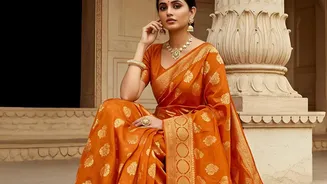
The single most important decision for a comfortable Garba outfit is the fabric. While heavy silks and velvets look regal, they can become uncomfortably hot and heavy in a crowded pandal. For long nights of energetic dancing, lightweight and breathable
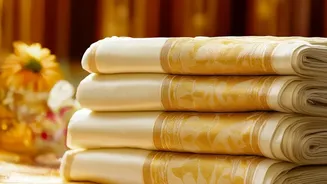
materials are your best friends. Cotton is a classic choice, known for being soft, absorbent, and allowing air to circulate, keeping you cool. Other excellent options include georgette, chiffon, and crepe, which offer a beautiful, fluid movement without trapping heat. Cotton-silk blends provide the best of both worlds: the breathability of cotton with the festive sheen of silk. Fabrics like mulmul and rayon are also praised for their lightweight feel, ensuring your outfit moves with you, not against you.
Focus on Fit and Flare
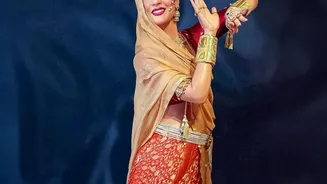
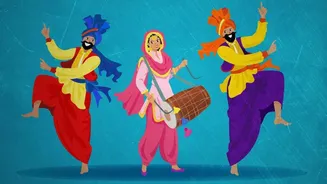
A great Garba outfit is all about movement. The traditional chaniya choli, with its flared skirt, is designed for the circular dance, but the specifics of the fit are crucial. Your lehenga or chaniya should have a secure waistband—whether drawstring or elasticated—that sits firmly on your hips without digging in. This prevents the skirt from slipping as you dance. The flare, or 'gher', is what creates those spectacular twirls. However, more flare often means more weight. Look for a skirt with a generous but manageable flare, ideally between three to five meters, which allows for beautiful spins without becoming too heavy to handle all night. Your choli (blouse) should be well-fitted but not restrictive, allowing you to lift and move your arms freely for dandiya and various Garba steps.
Master the Dupatta Drape
A flowing dupatta adds grace, but it can also be a nuisance on the dance floor if not managed properly. An improperly secured dupatta can get tangled, slip off, or become a tripping hazard. To avoid constant adjustments, secure it firmly. A practical method is to drape it over one shoulder and pin it securely to your blouse. For even more security, you can bring the other end across your torso and tuck it into the opposite side of your waistband, or use another safety pin. Some prefer to use a decorative belt, or 'kamarbandh', to hold the dupatta in place at the waist. If you are not using it as a dance prop, consider a pre-stitched or shorter dupatta for a hassle-free experience.
Accessorise for Movement, Not Just Looks
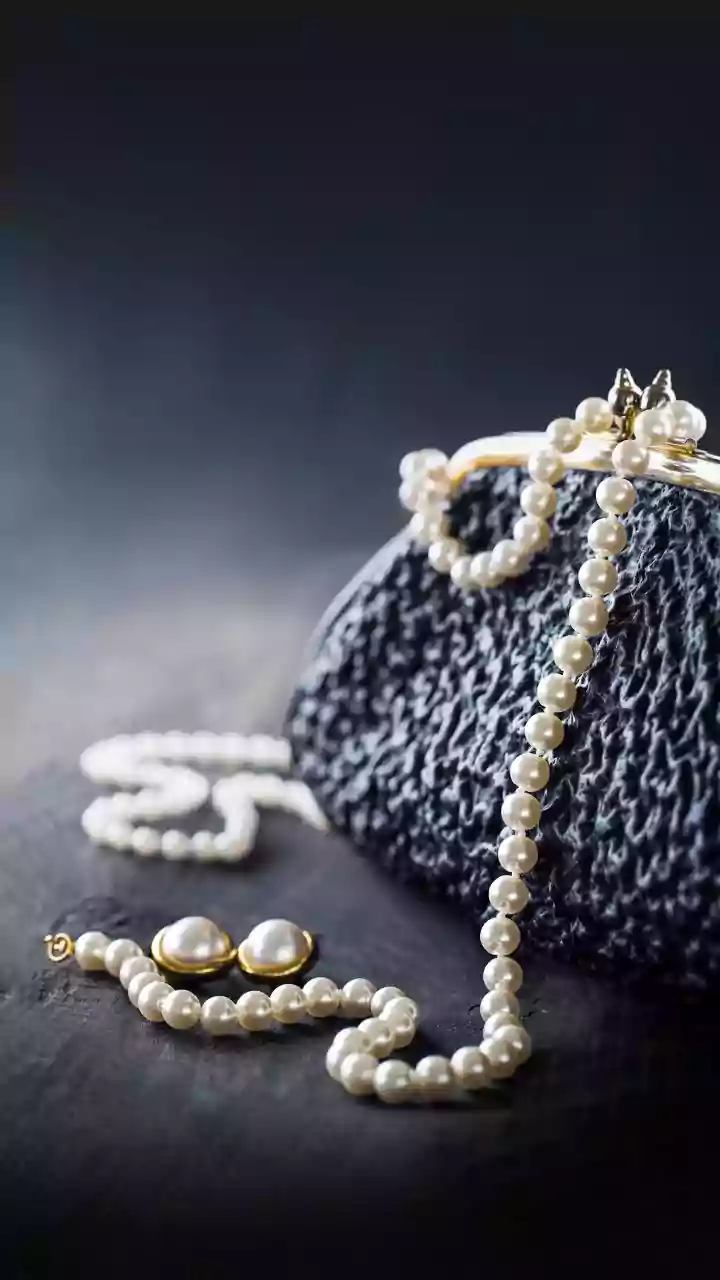
Jewellery completes the festive look, but heavy pieces can become uncomfortable and even painful after hours of dancing. Opt for lightweight accessories that won't weigh you down or get in your way. Oxidised silver jewellery is a classic and relatively light choice for Garba. When choosing earrings, consider jhumkas or chandbalis that are beautiful but not overly heavy. If you love the look of layered necklaces, make sure they are not so long that they swing wildly while you spin. For bangles, mix a few statement kadas with lighter glass or metal bangles. A waist belt can be both a stylish accessory and a functional tool to keep your dupatta in place. Remember, the best accessories are the ones you forget you're even wearing.
Choose Dance-Friendly Footwear
This is non-negotiable. Garba involves being on your feet for hours, often on hard surfaces. Stilettos and high heels are not practical and can lead to foot pain or injury. The best choices are traditional embroidered juttis or mojaris, which are flat, comfortable, and festive. Comfortable flat sandals or low block heels with secure ankle straps can also work well. Many experienced dancers even end up dancing barefoot, so choose footwear that is easy to slip off if needed. Before the event, make sure to walk and do a few twirls in your chosen shoes to ensure they are comfortable and your lehenga hem doesn't catch on them.