



Meghalaya: The Abode of Clouds
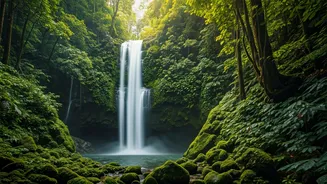
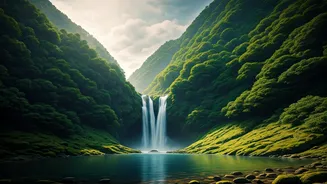
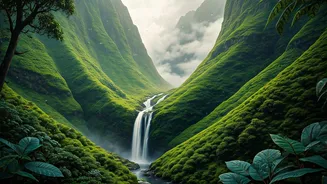
While most travelers shy away from rain, Meghalaya embraces it. Home to Cherrapunji and Mawsynram, two of the wettest places on Earth, this northeastern state transforms into a verdant paradise. The monsoon feeds countless waterfalls that cascade down
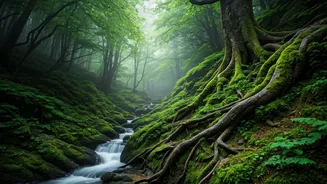
emerald hills, with the Nohkalikai Falls becoming a thundering spectacle. This is the best time to see the famous living root bridges—bio-engineered marvels woven from the roots of rubber trees by the Khasi people. Trekking through the mist to discover these ancient structures feels like stepping into another world. The rain washes the landscape clean, leaving behind an intense, saturated green and the earthy smell of petrichor. It’s an immersive, atmospheric experience far from the typical tourist trail.
Coorg, Karnataka: The Scotland of India
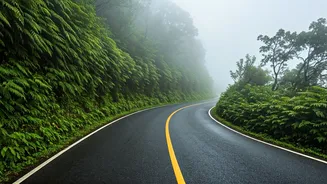
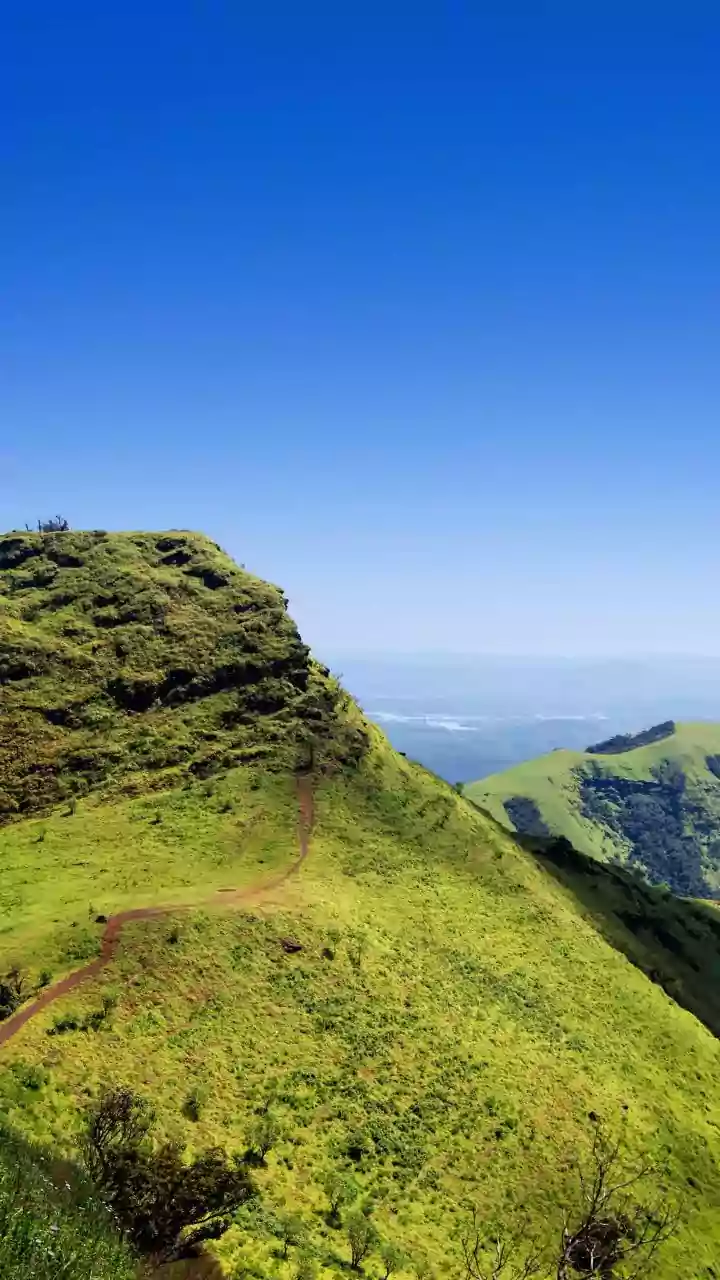
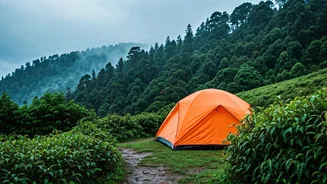
Nestled in the Western Ghats, the hill station of Coorg (or Kodagu) earns its nickname during the monsoon. The region’s rolling hills, blanketed with coffee and spice plantations, are shrouded in a cinematic mist. The rains rejuvenate the landscape, turning it into a vibrant tapestry of greens. It’s the perfect setting for cozying up in a homestay with a cup of freshly brewed local coffee and watching the downpour. For the more adventurous, the monsoon swells Abbey and Iruppu Falls into powerful, roaring cascades. A drive through the winding roads reveals stunning vistas at every turn, with clouds often drifting right across the highway. It’s a tranquil, romantic escape where the rhythm of life slows to the pace of the falling rain.
Orchha, Madhya Pradesh: Ruins in the Rain
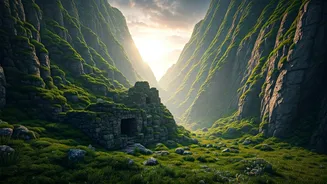
Rajasthan gets the attention for palaces, but the hidden gem of Orchha in Madhya Pradesh offers a different kind of magic, especially during the monsoon. This medieval town, set on the banks of the Betwa River, is dotted with magnificent temples, cenotaphs (chhatris), and forts. During the dry season, the landscape is dusty and stark. But when the rains arrive, the surrounding forests explode with life, creating a breathtaking contrast between the weathered stone architecture and the lush greenery. The reflection of the grand chhatris in the swollen river is a photographer’s dream. With fewer tourists, you can explore the majestic Orchha Fort and the ornate Jehangir Mahal in relative solitude, feeling like an explorer discovering a lost city.
Bhandardara, Maharashtra: Waterfalls and Wilderness
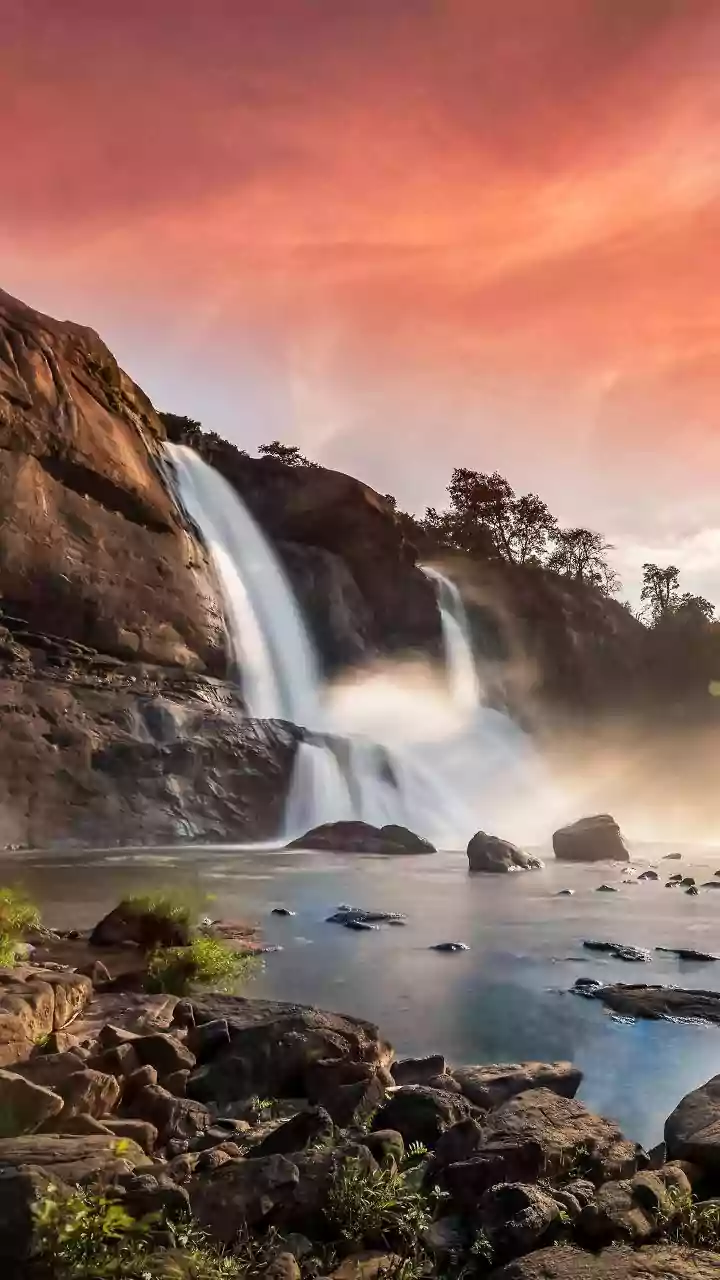
Just a few hours' drive from Mumbai, Bhandardara is a quiet resort village that becomes a natural wonderland in the monsoon. The entire region, part of the Sahyadri mountain range, comes alive with hundreds of waterfalls. The main attractions are the mighty Wilson Dam and the serene Arthur Lake. When the dam overflows, it creates a spectacular cascade known as the "Umbrella Falls," a must-see phenomenon. The surrounding hills are perfect for trekking, with trails leading to historic forts like Ratangad and offering panoramic views of the water-logged landscape. It’s an ideal destination for anyone looking to witness the raw power and beauty of the Indian monsoon without venturing too far from a major city.
Kodaikanal, Tamil Nadu: The Princess of Hill Stations
While Ooty often steals the spotlight, Kodaikanal offers a more serene and misty alternative in the southern state of Tamil Nadu. During the monsoon, this “Princess of Hill Stations” is draped in fog, giving it an ethereal, dreamlike quality. The centerpiece, Kodai Lake, is often enveloped in clouds, making a boat ride a uniquely mysterious experience. The rains breathe life into the area’s forests and waterfalls, like the popular Silver Cascade and Bear Shola Falls. The otherwise crowded viewpoints, such as Coaker’s Walk and Pillar Rocks, are quiet and offer dramatic, fleeting glimpses of the valleys below as the clouds part. It’s a place to embrace the cool, damp air and enjoy the quiet beauty of a hill station at its most atmospheric.