



Why Sodium Matters
Sodium is an essential mineral that our bodies need to maintain fluid balance and ensure proper muscle and nerve function. However, the vast majority of people consume far more than is necessary. The World Health Organization (WHO) and Indian health authorities
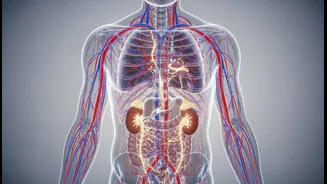
recommend that adults consume less than 2,000 milligrams (mg) of sodium per day, which is equivalent to about 5 grams of salt (one teaspoon). Unfortunately, studies show the average Indian consumes more than double this amount. When you consume excess sodium, your body holds onto water to dilute it. This increases the volume of blood in your bloodstream, leading to higher blood pressure. Over time, this sustained high blood pressure can strain your heart, arteries, and kidneys, significantly increasing the risk of heart disease, stroke, and kidney problems.
The Usual Suspects: High-Sodium Snacks
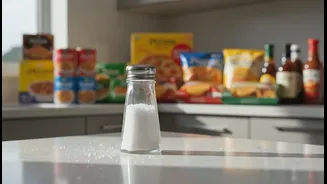
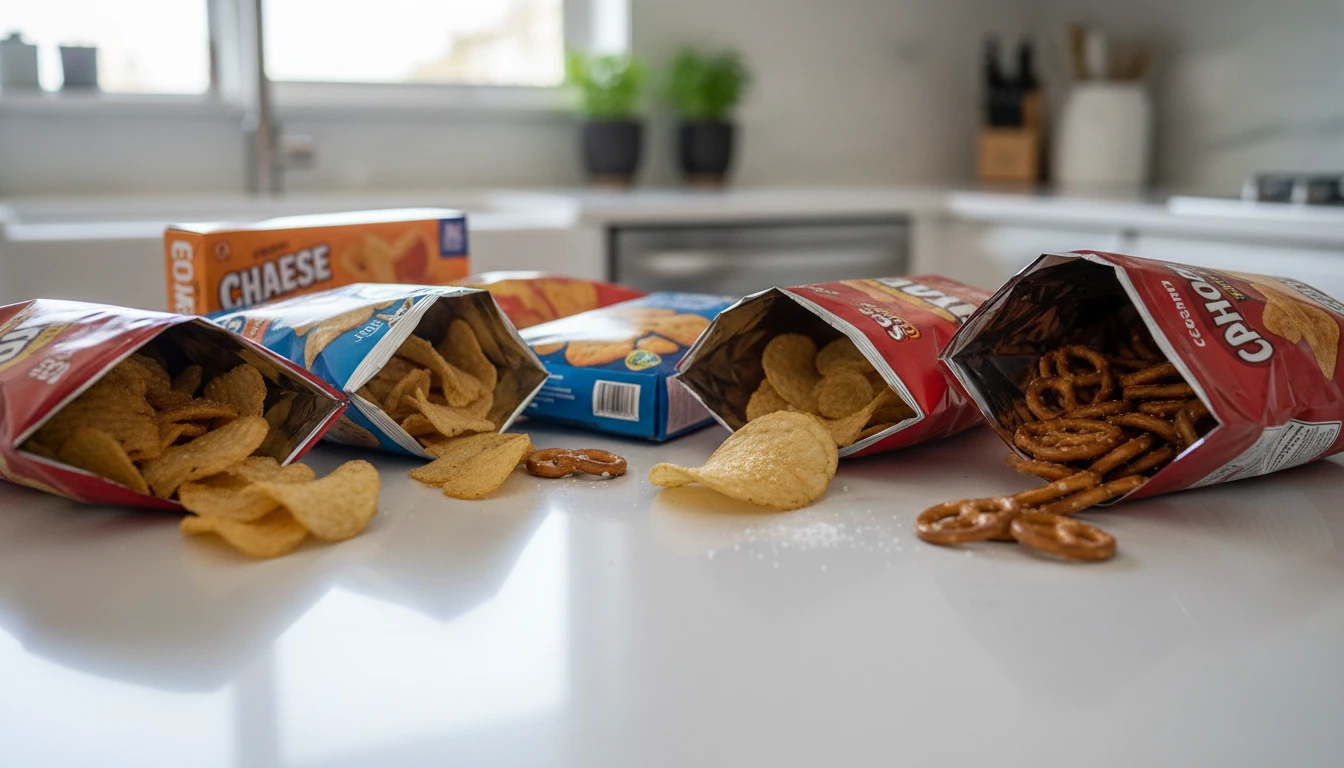
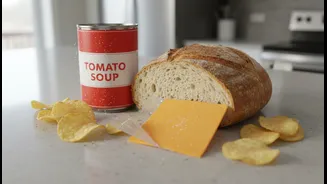
The biggest sources of sodium are often not from the salt shaker at home but from processed and packaged foods. Many go-to snacks in India are significant contributors. For instance, a 100-gram serving of a popular snack like aloo bhujia can contain anywhere from 650 mg to over 850 mg of sodium, which is nearly 40% of your entire recommended daily limit in just a small portion. Similarly, instant noodles, potato chips, savoury biscuits, pickles, and various types of namkeen are notoriously high in salt. Even foods that don't taste overtly salty, like some breakfast cereals, bread, and sauces, can have surprisingly high sodium levels, making it easy to exceed your daily limit without realizing it.
Becoming a Sodium-Savvy Shopper
The first step to managing your intake is to become a label reader. Nutrition labels are your best tool for understanding what’s in your food. Look for the amount of sodium listed in milligrams (mg) per serving. Pay close attention to the serving size; if you eat more than one serving, you have to multiply the sodium content accordingly. A general rule of thumb is that a product with 5% or less of the Daily Value (%DV) for sodium per serving is considered low, while 20% or more is high. Be wary of different names for sodium, such as monosodium glutamate (MSG), sodium citrate, and baking soda, which also contribute to your total intake. Comparing labels between similar products can help you choose the option with the lowest sodium content.
Smarter Snacking Alternatives
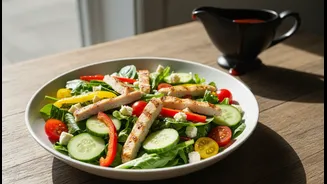
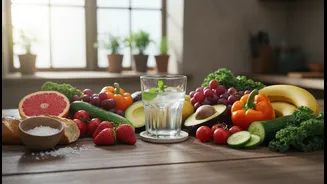
Reducing your sodium intake doesn’t mean you have to give up snacking. It's about making smarter choices. Opt for whole, unprocessed foods whenever possible. Fresh fruits, vegetable sticks like cucumber and carrots with a low-sodium yogurt dip, and a handful of unsalted nuts and seeds are excellent options. Roasted makhana (fox nuts), seasoned with herbs instead of salt, is a light and crunchy choice. If you enjoy traditional snacks, try making them at home where you can control the amount of salt used. For example, a homemade chana chaat with fresh vegetables and a squeeze of lemon offers great flavour without the high sodium load of its packaged counterparts. Even air-popped popcorn, seasoned with spices, can be a satisfying and healthy low-sodium snack.