






The Return of a Timeless Ritual
Remember being chased around the house by your mother or grandmother, a bottle of coconut or amla oil in hand? For years, that weekly 'champi' was the cornerstone of Indian hair care. Then came a wave of silicone-based serums and sophisticated chemical
treatments that promised instant shine and smoothness, pushing traditional hair oiling to the background. It was often seen as a heavy, greasy, and time-consuming practice that didn't fit into a fast-paced modern lifestyle. However, the tide is turning. Trichologists and dermatologists are increasingly highlighting the limitations of products that offer a cosmetic fix rather than deep nourishment. As we grapple with rising pollution, stress-induced hair fall, and damage from heat styling, there's a collective return to practices that focus on foundational health. This isn't just about nostalgia; it’s a science-backed movement recognising that true hair health starts at the scalp.
More Than Just an Old Wives' Tale
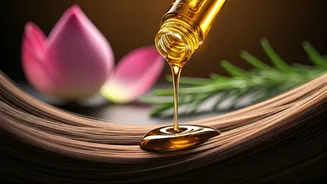
The validation from the scientific community is what makes this comeback so significant. Experts now explain that hair oiling works on multiple levels. Firstly, massaging oil into the scalp improves blood circulation, which helps deliver essential nutrients to the hair follicles, promoting stronger growth. Secondly, certain oils have proven antimicrobial and anti-inflammatory properties that can help maintain a healthy scalp microbiome, tackling issues like dandruff and itchiness. Thirdly, and perhaps most importantly, oiling the hair shaft *before* washing can prevent damage. When hair gets wet, it swells, and the cuticle scales lift, making it vulnerable to breakage. A pre-wash oil treatment creates a hydrophobic (water-repelling) layer that limits how much water the hair shaft absorbs. This phenomenon, known as 'hygral fatigue', is a leading cause of mechanical damage. Oils like coconut oil, which is rich in lauric acid, are particularly effective as they can penetrate the hair shaft and reduce protein loss during washing.
Choosing Your Champion Oil
Not all oils are created equal, and the right choice depends on your hair type and concerns. Overwhelmed by the options? Here’s a simple guide:
* **For Preventing Damage & Protein Loss:** Coconut oil is your best bet. Its molecular structure allows it to penetrate the hair shaft effectively. It’s ideal for most hair types, especially those prone to damage from styling or colouring.
* **For Dryness and Frizz:** Argan and almond oils are fantastic choices. Rich in Vitamin E, antioxidants, and fatty acids, they are excellent emollients that smooth the hair cuticle, tame frizz, and add shine without being excessively greasy.
* **For Scalp Health & Promoting Growth:** Castor oil is famed for its ricinoleic acid content, which is thought to stimulate circulation and support hair density. Amla oil, a traditional powerhouse, is packed with Vitamin C and antioxidants that strengthen follicles. Both are quite thick, so they can be mixed with a lighter carrier oil like coconut or almond oil for easier application.
The Modern Method of Oiling
To get the most out of your oiling session, it's time to unlearn some old habits. Experts today recommend a more strategic approach. First, forget the idea that you need to drench your hair overnight. For most people, applying oil for 1-2 hours before a wash is more than enough time for it to penetrate. Leaving it on for too long, especially if you have an oily or acne-prone scalp, can clog pores and attract dirt. Use warm oil, as this helps it spread more easily. Focus the application on the scalp, using your fingertips to massage in gentle, circular motions for 5-10 minutes. Then, work the remaining oil through the lengths and ends of your hair. When it's time to wash, apply shampoo to your dry, oiled hair first. Lather it up with a little water before rinsing completely. This helps break down the oil effectively in one wash, preventing greasy residue without stripping your hair's natural moisture.