

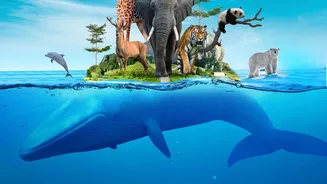

The Concrete Jungle's New Tenants
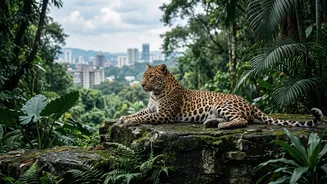
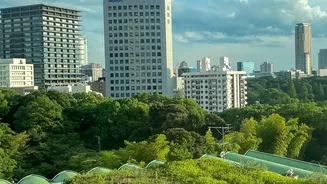
When you think of a megacity like Mumbai, with its 20 million residents, the last thing you might expect is a thriving population of leopards. Yet, in and around the Sanjay Gandhi National Park (SGNP), a vast green lung in the city's heart, dozens of these
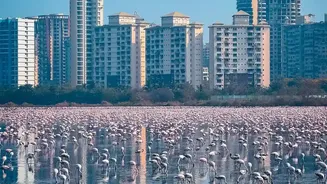
elusive big cats roam. A 2024 survey confirmed at least 54 leopards in the SGNP landscape, one of the highest densities ever recorded for the species anywhere. This isn't an isolated case. Across India, urban areas are witnessing a fascinating phenomenon. Striped hyenas have been spotted in Gurugram, shy packs of jackals have made a home in Chennai, and Delhi boasts over 400 species of birds. As our cities expand, they are inadvertently becoming the new frontiers for wildlife, forcing a complex and often surprising relationship between humans and animals.
Why Our Cities Are Becoming Havens
The migration of wildlife into urban spaces is driven by a mix of 'push' and 'pull' factors. The most obvious 'push' is the fragmentation and loss of natural habitats due to unchecked urban sprawl and deforestation, leaving animals with little choice but to adapt. However, cities also offer powerful 'pulls'. Urban environments can be a buffet for adaptable species. Leopards in Mumbai, for instance, have found a readily available food source in the large population of stray dogs, which can make up around 40% of their diet. For other animals, cities offer shelter in parks, old buildings, and even drainage systems, along with a relative scarcity of their natural predators. This combination of factors is turning our concrete jungles into accidental sanctuaries for a growing number of species.
A Complex Coexistence
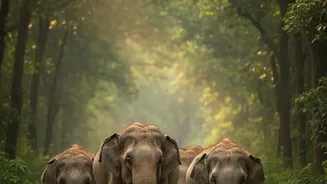
Living alongside wild animals isn't always simple. Encounters can lead to conflict, from monkeys raiding homes in Delhi and Jaipur to more dangerous interactions with elephants and crocodiles on urban fringes. Yet, India's relationship with its urban wildlife is uniquely tolerant compared to many other parts of the world. This coexistence is often a negotiation, a balancing act rooted in cultural acceptance and necessity. For many residents, especially those living on the edges of forests, sharing space with wildlife is a daily reality. The presence of these animals also brings unexpected benefits. The leopards of Mumbai, by preying on stray dogs, may inadvertently help control the rabies risk and reduce the number of dog bites in communities bordering the park.
Designing Cities for All Inhabitants
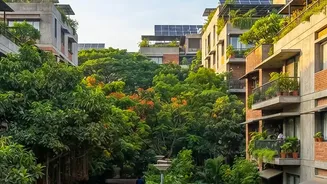
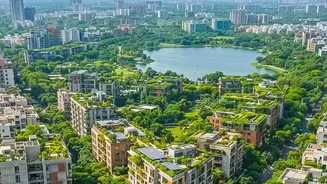
The increasing presence of urban wildlife is forcing a rethink of how we plan our cities. Experts argue that urban planning must evolve to be more inclusive of nature, not just for the animals' sake, but for our own. This means moving beyond token green spaces and creating interconnected ecological networks. Initiatives are emerging across the country. Bengaluru is planning a network of ten mega tree parks, focusing on restoring native ecosystems, creating habitats for birds and pollinators, and improving groundwater recharge. In the Himalayas, a new initiative aims to create 'Urban Bio-Sheds' that connect water, waste management, and biodiversity into a single planning framework. These projects recognise that a city's health is tied to its ecological health. By designing for coexistence—through wildlife corridors, native plantations, and restored water bodies—we can build more resilient and vibrant cities for all their inhabitants, human and non-human alike.