





The Concrete Jungle Can't Drink
The primary problem begins with the very ground beneath our feet. In a natural landscape, soil and vegetation act like a giant sponge, absorbing a significant amount of rainfall. Cities, however, are sprawling webs of impervious surfaces like asphalt
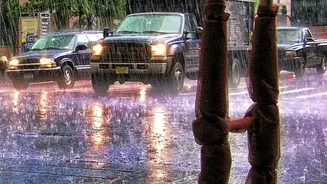
roads, concrete pavements, and rooftops. These materials do not allow water to soak into the ground. Instead, the rain immediately becomes surface runoff, gathering speed and volume as it flows. When a large amount of rain falls in a very short period—a flash flood scenario—this effect is dramatically amplified. An entire city's worth of rainfall is instantly channelled into the streets instead of being absorbed.
An Overwhelmed Drainage System
All of that runoff water is directed towards the city's stormwater drainage system. However, these networks are often old and were not designed to handle the intense, sudden cloudbursts that are becoming more common. Furthermore, drains are frequently clogged with litter, leaves, and other debris, which severely restricts their capacity. When a sudden shower hits, the sheer volume of water entering the system all at once is too much for it to handle. The drains become overwhelmed, causing water to back up and leading to the rapid waterlogging and street flooding that brings traffic to a standstill.
The Human Factor and Traffic Psychology
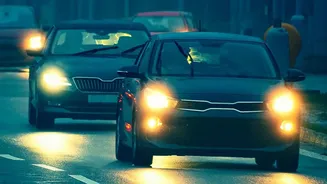
The moment rain begins, driver behaviour changes collectively. Visibility drops significantly due to the downpour and spray from other vehicles. In response, most drivers naturally slow down, increase the distance between vehicles, and become more cautious, which reduces the overall capacity of the roads. This cautiousness is justified, as wet roads reduce tire grip and increase braking distances. However, traffic flow is a delicate system. Even a small reduction in speed can create a ripple effect, causing a slowdown that quickly cascades into a full-blown traffic jam miles behind the initial point of congestion. A single minor accident, which is more likely in wet conditions, can completely paralyse multiple lanes for hours.
A Domino Effect on Public Transport
As roads become waterlogged and congested, the chaos spreads to public transportation. Buses are immediately caught in the same gridlock as private cars. In some cases, floodwaters can become deep enough to disrupt subway and local train services by inundating tracks or stations. This creates a double bind for commuters: the transport options they might switch to are also compromised. Furthermore, many people who would normally walk, cycle, or use two-wheelers for short trips will opt for public transport or book a cab to avoid getting wet, adding a sudden surge of passengers to an already strained system. This leads to severe overcrowding at bus stops and metro stations.
The Ride-Sharing Surge Trap
App-based ride-hailing services like Uber and Ola also play a significant role in the sudden travel paralysis. When the rain starts, demand for cabs skyrockets as people seek shelter and a dry ride home. Simultaneously, some drivers may log off to avoid driving in dangerous conditions or getting their vehicles stuck in waterlogged areas. This mismatch of soaring demand and shrinking supply instantly triggers surge pricing algorithms, often making fares exorbitantly high. Those who can't afford the new prices are left stranded, while those who can add yet more vehicles to the already congested roads, worsening the gridlock for everyone.