







The Annual Monsoon Break
One of the most common reasons for widespread safari restrictions is the monsoon season, typically from June-July to September-October. Heavy rains make the unpaved tracks within national parks slushy, flooded, and impassable for safari vehicles, posing
a significant safety risk. More importantly, this period is a time of natural rejuvenation for the forest. The rains nourish the vegetation, replenish water bodies, and allow the entire ecosystem to regenerate without the pressure of human activity. This break is vital for the long-term health and sustainability of these precious habitats.
For the Animals' Sake
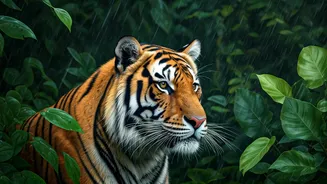
The monsoon is also a critical breeding season for many species, including tigers, leopards, elephants, and various birds. Closing the parks minimises human disturbance, allowing animals to mate, nest, and raise their young in a peaceful, low-stress environment. An undisturbed habitat is crucial for successful breeding and the survival of offspring, which directly contributes to stable wildlife populations. Even outside the monsoon, noise and vehicle movement can alter animal behaviour, disrupt hunting patterns, and cause them to avoid essential water sources. Restrictions help mitigate these impacts.
To Keep Visitors Safe
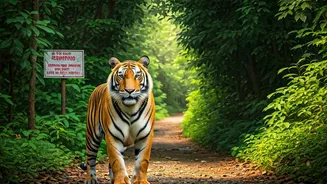
While the goal of a safari is to see animals, getting too close can be dangerous. Wild animals are unpredictable, and restrictions are designed to protect tourists. Rules like staying inside the vehicle, not getting out, and maintaining a safe distance are enforced for this reason. In some cases, access is limited due to increased human-wildlife conflict near park boundaries. Temporary suspensions or reductions in safari operations can be a response to incidents, allowing officials to manage the situation and ensure the safety of both local communities and tourists.
Managing Carrying Capacity
Every protected area has a 'carrying capacity'—a scientifically determined limit on the number of visitors and vehicles it can sustain without causing unacceptable damage to its ecosystem and wildlife. The National Tiger Conservation Authority (NTCA) and forest departments use this concept to regulate tourism. Exceeding this capacity can lead to soil erosion, vegetation damage, and increased stress on animals. By limiting the number of safari permits issued daily, officials can manage the tourism footprint, prevent overcrowding, and reduce the 'safari jam' problem, where too many vehicles crowd around a single sighting.
Administrative and Special Reasons
Safaris may also be temporarily halted for important administrative tasks. These can include the annual census of tigers, prey animals, and other species, which requires unrestricted movement for survey teams. Other reasons could be park maintenance work, constructing firebreaks to prevent forest fires, or undertaking anti-poaching operations. In rare instances, parks may close due to disease outbreaks, either to prevent transmission among wildlife or to protect human visitors. These operational closures are essential for effective park management and long-term conservation.