







The Soul of the Blue Mountains
Often overshadowed by Darjeeling and Assam, Nilgiri tea is a treasure from the Blue Mountains of Southern India. This region's unique terroir, with its high altitude, dual monsoons, and misty, cool weather, produces a tea that is exceptionally fragrant,
full-bodied, and brisk. Unlike other black teas, Nilgiri leaves are naturally lower in tannins, the compounds that cause bitterness. This gives them an inherently balanced and clean profile, with delicate floral and fruity notes, making them an ideal canvas for the gentle art of cold brewing. Some even describe hints of eucalyptus, a nod to the groves that dot the hillsides where the tea grows.
Why Cold Brewing Changes Everything
The magic of cold brew lies in its chemistry. Hot water is an aggressive solvent, rapidly extracting compounds from the tea leaf, including caffeine and the aforementioned bitter tannins. This is why a hot-brewed tea that has cooled down can taste harsh or cloudy. Cold water, by contrast, is a patient extractor. Over a long period, typically 8 to 12 hours, it slowly coaxes out the more delicate and desirable aromatic compounds. It dissolves the amino acid L-theanine, which imparts sweetness and a sense of calm, while leaving many of the larger, bitter tannin molecules behind. The result is a fundamentally different beverage: smoother, sweeter, less acidic, and a truer expression of the leaf's innate character.
The Art of Selecting the Leaf
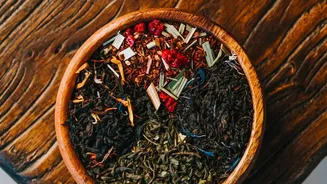
Artisanal crafters know a superior cold brew starts long before any water is poured. While much of the region's output uses the industrial Crush, Tear, Curl (CTC) method for tea bags, artisans exclusively seek out whole-leaf, orthodox-style teas. These larger, unbroken leaves are crucial for a clean, clear infusion, free from the dust and cloudiness associated with mass-market tea fannings. Crafters often favour leaves from specific seasonal harvests. The most prized are the 'frost teas', harvested in winter after a light frost, which concentrates the flavours and results in a uniquely sweet and rosy character. By focusing on single-estate, high-grade leaves, they ensure a foundation of quality that machinery cannot replicate.
A Slow and Patient Infusion
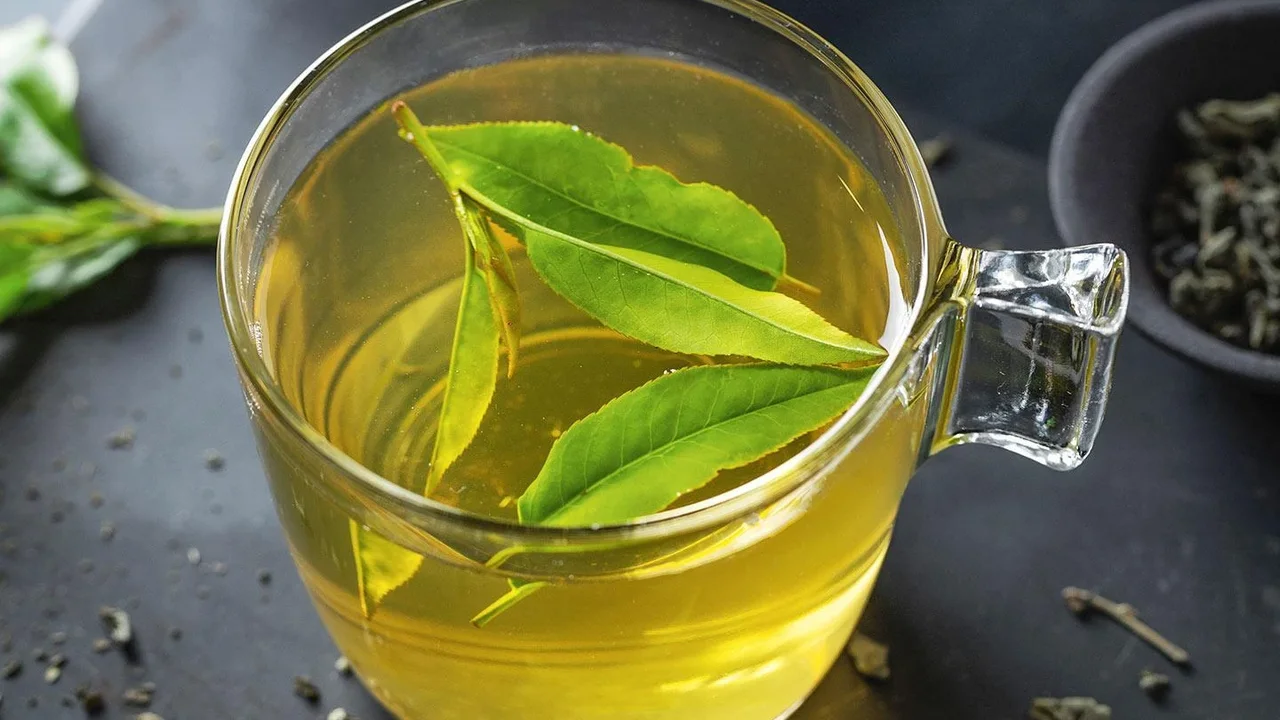
The artisanal cold-brewing process itself is a study in controlled patience. It begins with a precise leaf-to-water ratio, typically around one to two teaspoons of loose leaf tea for every 250ml of water. The quality of the water is paramount; crafters use filtered, neutral water to avoid any mineral or chlorine notes that could interfere with the tea’s flavour. The leaves are placed in a large glass pitcher, covered, and left to steep in a refrigerator for anywhere from eight to twelve hours, sometimes even longer depending on the specific leaf and desired strength. There is no rushing this process; time is the essential ingredient that allows the leaves to unfurl and gently release their essence.
Unlocking the Hidden Notes
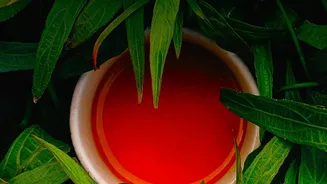
The reward for this patient process is a flavour profile that hot brewing can often obscure. Because the bitterness is muted, the subtle nuances of the Nilgiri leaf come forward. Drinkers can expect a smooth, well-rounded liquor with a bright amber hue. The inherent fruitiness of the tea shines, with delicate notes of citrus, stone fruit, and even woody plums. Its floral character also blossoms, revealing hints of dusk orchid and wild honey. The resulting brew is not just refreshing; it’s complex and aromatic, retaining its clarity beautifully when chilled. It offers a clean, naturally sweet taste that rarely requires any added sugar, showcasing the pure, unadulterated spirit of the Blue Mountains in every sip.