

An Ambitious New Schedule
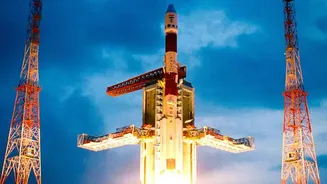
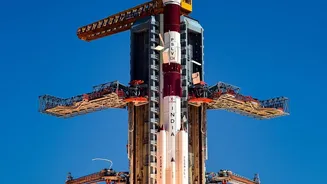
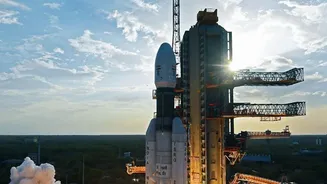
The Indian Space Research Organisation is gearing up for a packed schedule, with Chairman V. Narayanan confirming plans for at least seven launches during the current financial year. The announcement came on July 18, 2026, highlighting the agency's intent
to maintain the momentum it has built. Narayanan noted that the next mission is slated to lift off within two months, with two satellites already complete and several others in the final stages of integration. This high frequency of launches underscores ISRO's expanding capabilities and its crucial role in executing India's national and commercial space objectives.
The Critical Path to Gaganyaan
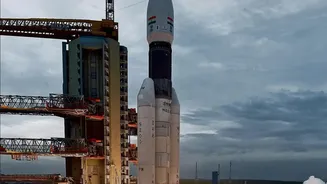
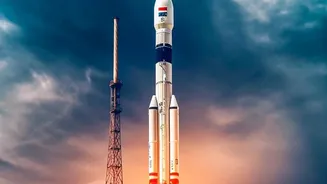
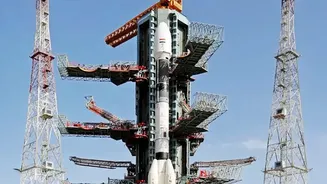
A significant highlight of the upcoming missions is the first uncrewed flight for Gaganyaan, India’s prestigious human spaceflight programme. This mission, designated G1, is a full-dress rehearsal for the eventual crewed flight and is tentatively scheduled for 2026. It will test the end-to-end capabilities of the LVM3 launch vehicle, the orbital module, and the crew escape system. The capsule will carry Vyommitra, a humanoid robot developed by ISRO, to simulate human functions and monitor cabin parameters. While the ultimate goal of sending Indian astronauts, or 'Gaganyatris,' into orbit is targeted for 2027, the success of the uncrewed missions is a non-negotiable prerequisite, with astronaut safety being the absolute priority.
Strengthening Commercial and Earth Observation Capabilities
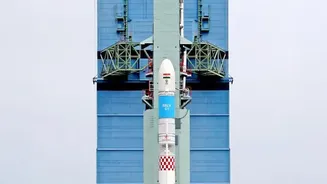
Beyond Gaganyaan, the launch manifest is filled with missions vital for science, commerce, and national infrastructure. Through its commercial arm, NewSpace India Limited (NSIL), ISRO continues to be a competitive player in the global launch market. A key upcoming commercial launch involves an Australian satellite aboard the Small Satellite Launch Vehicle (SSLV), a vehicle designed for on-demand access to space for smaller payloads. The schedule also includes the launch of earth observation satellites like Oceansat-3A, which will aid in oceanography, weather monitoring, and managing natural resources. These missions not only generate revenue and foster international partnerships but also deliver critical data for a wide range of applications, from agriculture to disaster management.
Building Capacity for the Future
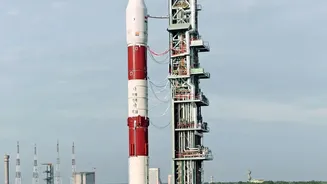
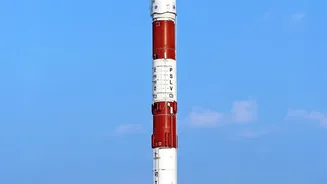
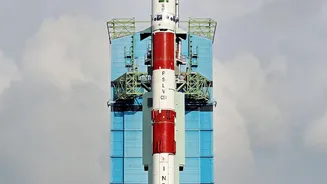
This accelerated launch cadence is not just about sending more rockets to space; it's about building a robust and sustainable space ecosystem. A key part of this strategy is the operationalisation of a second launch complex at Kulasekarapattinam in Tamil Nadu, which is expected to be commissioned within six months. This new facility will be dedicated to SSLV launches, freeing up the pads at Sriharikota for larger vehicles like the PSLV and LVM3. Furthermore, ISRO is actively fostering private industry participation. The production of the workhorse PSLV rocket is increasingly being handled by a consortium of Hindustan Aeronautics Limited (HAL) and Larsen & Toubro (L&T), allowing ISRO to focus more on research and development for future frontiers, such as a national space station and interplanetary missions.