




The Old Way to the Stars
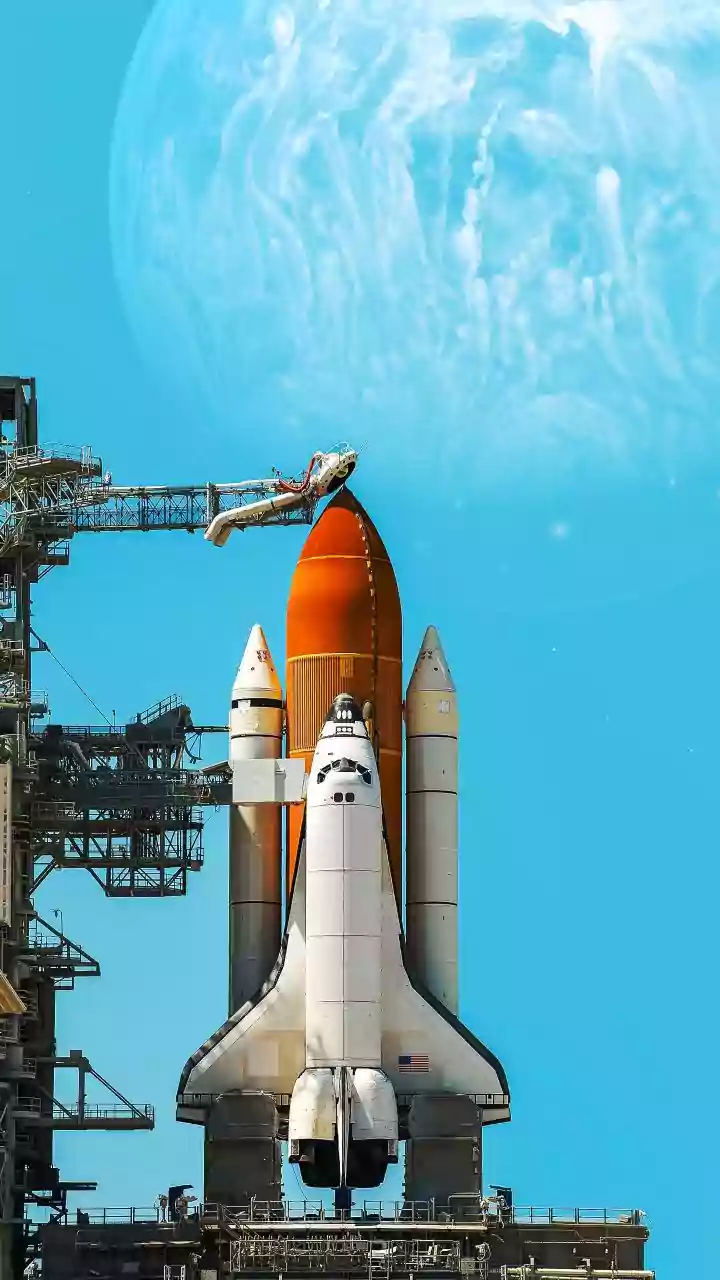
For decades, deep-space exploration was the exclusive domain of national governments. During the Apollo era, NASA took the lead, designing the missions, owning the hardware, and assuming nearly all the financial and operational risk. Private companies
acted as contractors, building components to NASA's exact specifications. This model put people on the Moon, but it was incredibly expensive, with taxpayers footing the entire bill for developing rockets and spacecraft from scratch. While effective, this top-down approach limited the pace of exploration to the size of the national budget, making ambitious goals like a sustained presence on Mars seem perpetually decades away.
A New Commercial Playbook
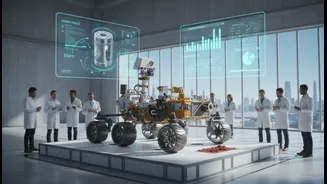
The new public-private model flips the script. Instead of hiring a company to build a NASA-owned vehicle, NASA is now buying a service—much like booking a ride. This approach was successfully pioneered with the Commercial Crew and Cargo programs that resupply the International Space Station, reducing costs and restoring US launch capabilities. Now, NASA is extending this model to deep space. A recent example is the Aeolus mission, scheduled for 2028, where NASA is providing the scientific instruments, but the private company Relativity Space is responsible for the rocket, the spacecraft, and the flight to Mars. This allows NASA to focus its resources on science, rather than on the nuts and bolts of transportation.
Sharing the Financial Burden
The most significant change is how missions are funded. Under this new model, private companies are expected to invest significant amounts of their own capital into developing their rockets and spacecraft. NASA helps fund development but doesn't cover the whole cost. This reduces the upfront financial burden on taxpayers. In return for their investment, companies own their technology and can sell their services to other customers, from satellite companies to other nations' space agencies, creating a broader commercial market. This shared investment approach aims to create a more sustainable and vibrant space economy, one not solely dependent on the congressional budget cycle.
Who Owns the Technical Risk?
Shifting the model also means redistributing the technical and operational risks. When a private company is responsible for the launch and spacecraft, it also assumes much of the risk of development and mission execution. If a rocket fails, the financial and reputational hit is borne more directly by the company. However, the lines can get blurry. A failure of a commercial mission can still have major ripple effects for NASA, potentially grounding entire fleets of rockets the agency relies on and causing delays to critical government missions. For high-stakes human missions, NASA maintains intense oversight, with its own engineers often embedded with commercial partners to ensure safety standards are met. Ultimately, while the company may own the hardware, NASA cannot outsource its responsibility for astronaut safety or overall mission success.
The Promise and the Peril
This partnership model promises to accelerate innovation, increase the frequency of missions, and lower costs. The competition between companies like SpaceX and Blue Origin is already driving rapid advancements in launch technology. However, this approach is not without peril. Critics worry about an over-reliance on a small number of private companies, which could give them outsized leverage over national space strategy. There are also concerns that the commercial drive for profit could lead to cutting corners on safety. Furthermore, the accountability structures are different; a failure in a private company is investigated internally, without the public transparency of a government-led inquiry. This creates a new dynamic where public goals are tied to private fortunes and corporate decisions.