


From Off-Season to On-Trend
For years, the Indian travel calendar was predictable: peak seasons in winter and summer, with a definite lull during the monsoon. That wisdom is now outdated. The rainy season is no longer a deterrent but an attraction. Recent data shows a significant
spike in travel during these months. According to Airbnb, domestic monsoon vacation searches have increased by nearly 40% year-on-year, signalling that the season that once kept people home is now a reason to leave. This isn't just a minor uptick; reports from travel platforms like Cleartrip show hotel bookings surging by over 50% year-on-year for the monsoon period, rewriting the rules of the hospitality industry.
The Allure of a Greener, Quieter India
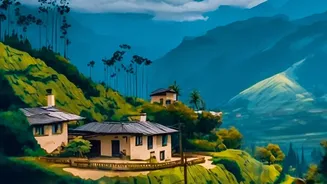
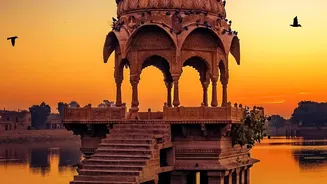
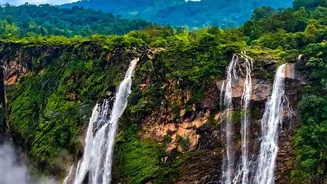
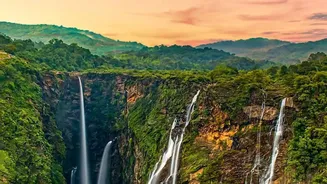
One of the biggest draws of monsoon travel is the dramatic transformation of the landscape. Destinations that are beautiful in the dry season become extraordinary during the rains. The Western Ghats, home to hill stations like Lonavala, Mahabaleshwar, Coorg, and Munnar, turn into a lush, emerald paradise. Waterfalls that are mere trickles in May become roaring cascades, misty clouds envelop the hills, and the air feels cleaner and fresher. Even arid destinations like Rajasthan offer a unique charm, with its lakes full and its palaces reflected in the water, providing a different, more romantic perspective. Travellers are actively seeking these rain-washed landscapes, preferring the atmospheric beauty of the monsoon to the crowded, sun-drenched sights of peak season.
Shorter Trips and Smarter Budgets
The nature of travel itself is changing. The traditional long annual holiday is giving way to shorter, more frequent trips. This trend, dubbed 'micro-cations', sees travellers, particularly the younger Gen Z demographic, opting for three-to-five-day breaks that fit around busy schedules. The monsoon season is perfect for these quick getaways. Moreover, the season still offers significant financial advantages. While the concept of a dirt-cheap 'off-season' is fading due to rising demand, prices remain more competitive than during peak winter or summer periods. Many hotels offer discounts on rooms and food, making it a budget-friendly time to explore. This combination of affordability and the rise of spontaneous, short-term travel has created a perfect storm for monsoon tourism.
Where India Travels in the Rain
The trend is not confined to one region. In the south, Kerala's Wayanad and Alleppey have seen hotel bookings grow by over 160% and 145%, respectively. Goa, once thought of as a winter-only destination, is seeing a surge in interest for its quieter beaches and lush green interiors. Hill stations are booming, with Munnar and Mussoorie recording a nearly ten-fold growth in hotel bookings compared to last year. The Northeast has also emerged as a top performer, with states like Nagaland and Arunachal Pradesh seeing flight and hotel bookings rise dramatically. From the misty coffee estates of Coorg to the lakeside palaces of Udaipur, travellers are discovering that many of India's most cherished destinations offer a special magic during the rains.
A New Mindset for a New Traveller
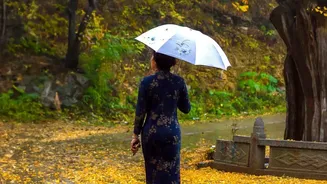
Ultimately, the rise of monsoon travel is about a fundamental shift in mindset. Travellers are moving beyond simple sightseeing and are now seeking immersive, experience-led journeys. The monsoon provides just that. It is a season for slowing down, enjoying the atmosphere, and connecting with nature. It’s about the experience of enjoying a cup of tea while watching the rain from a hillside cottage or taking a drive through misty forests. The flexibility of remote work has also played a role, allowing people to take 'workations' in scenic spots. Instead of seeing rain as an inconvenience to be avoided, a growing number of Indians see it as an essential part of a unique and memorable travel experience.