




Sarson da Saag and Makki di Roti
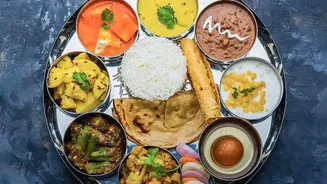
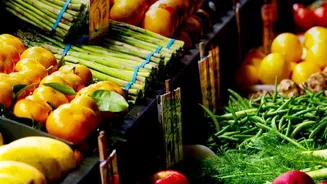
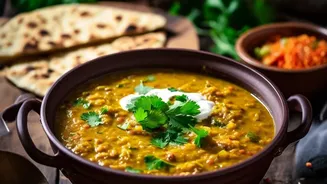
This iconic Punjabi meal is more than just winter comfort food; it's a nutritional powerhouse. Sarson (mustard greens) is loaded with vitamins A, C, and K, which are crucial for boosting immunity and maintaining bone health. Paired with Makki di Roti
(maize flour flatbread), the meal provides complex carbohydrates for sustained energy and a healthy dose of dietary fibre that aids digestion. In a contemporary diet often dominated by refined grains, this combination introduces a gluten-free grain and nutrient-dense greens, offering a wholesome alternative that keeps you warm and energised.
Gajar ka Halwa
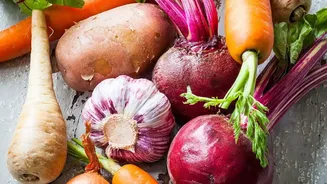
Often dismissed as a heavy dessert, a mindfully prepared Gajar ka Halwa is a treasure trove of winter benefits. Carrots, the star ingredient, are rich in beta-carotene, which the body converts to vitamin A, essential for vision and skin health during the dry winter months. When made with milk, it provides a good dose of calcium and protein for bone health. Using jaggery instead of refined sugar adds minerals and a distinctive warmth. For the modern health-conscious individual, this dessert serves as a way to satisfy sweet cravings while getting antioxidants and essential nutrients.
Bajra
Pearl millet, or bajra, is a traditional winter grain for good reason. It is considered a 'warming' food, helping the body generate heat. As a gluten-free grain, it’s a fantastic source of variety in modern diets. Bajra is rich in fibre, magnesium, iron, and protein, which helps in managing blood sugar levels by providing slow-release energy and keeping you feeling full longer. Whether as a roti or in a khichdi, bajra supports digestive health and provides essential minerals that are often lacking in processed foods.
Til (Sesame Seeds)
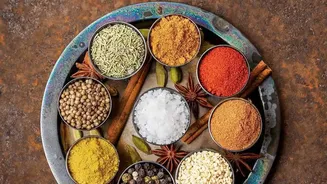
These tiny seeds are a winter superfood, central to festivals like Makar Sankranti. Til is an excellent plant-based source of calcium, crucial when sun exposure and vitamin D levels are low. They are also packed with healthy fats, zinc, and iron, which boost immunity, provide warmth, and combat the skin and hair dryness common in cold weather. For a modern diet, simply sprinkling toasted sesame seeds on salads, adding them to yogurt, or enjoying a traditional Til-Gur Laddoo offers a significant nutritional boost for bone health and energy.
Gond ke Laddoo
Gond, or edible gum, is renowned for its warming properties and is a staple in winter preparations. Gond ke Laddoos, typically made with whole wheat flour, ghee, nuts, and jaggery, are energy-dense snacks perfect for fighting off winter lethargy. Gond is believed to lubricate joints, making it beneficial for bone health and reducing stiffness during colder months. For those living a fast-paced life, one laddoo in the morning can provide sustained energy, healthy fats, and essential minerals, making it a functional and traditional energy bar.
Panjiri
A traditional Punjabi preparation, Panjiri is a loose, crumbly mixture of whole wheat flour, ghee, sugar, and generous amounts of nuts and seeds. It is a nutrient-dense food, traditionally given to new mothers for recovery but equally beneficial for anyone needing an energy and nutrient boost in winter. The combination of ingredients provides protein, healthy fats, and minerals like iron and calcium. For the modern professional, a few spoonfuls of Panjiri can be a quick, nourishing breakfast or snack that supports immunity and stamina through long workdays.
Amla (Indian Gooseberry)
While available in different forms, Amla is a cornerstone of winter wellness in India. It is one of the richest natural sources of Vitamin C, a powerful antioxidant that is crucial for a strong immune system to fight off seasonal colds and flu. Amla also supports skin health by promoting collagen production, helping to counteract the dryness of winter air. It can be consumed as juice, pickled (achaar), or as a sweet preserve (murabba). Incorporating amla adds a potent dose of immunity-boosting and anti-inflammatory properties to any contemporary diet.