






A Landmark Event for Pet Lovers
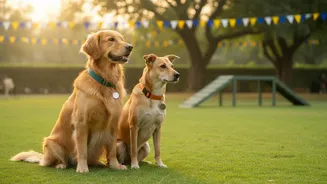
On August 2nd, pet owners and animal lovers from across Jaipur gathered for a vibrant Mega Pet Carnival, an event that blended community celebration with civic responsibility. The carnival, a joint effort by the Jaipur Municipal Corporation (JMC), local
animal welfare groups, and kennel clubs, offered a wide array of attractions. Attendees enjoyed everything from pet health check-ups and grooming services to adoption drives for puppies and indie dogs. The atmosphere was festive, but the event's primary purpose was tied to a larger city-wide initiative: a major push for mandatory pet registration and vaccination. Timed to coincide with Friendship Day, the carnival was designed to make these essential services accessible and engaging for everyone.
Registration and Vaccination at the Forefront
The carnival served as a crucial hub for the JMC's new mandatory registration policy for all pet dogs and cats, which requires compliance by September 30 to avoid a significant fine. Organizers made the process seamless by offering on-the-spot licensing and free anti-rabies vaccinations. This initiative is central to the city's goal of becoming rabies-free and creating a comprehensive database of its pet population. JMC Commissioner Om Kasera emphasized that the goal is not to penalize owners, but to promote responsible pet ownership, track animal health, and ensure public safety. By integrating these services into a fun, family-friendly event, the city effectively lowered the barrier to entry for many pet owners, encouraging widespread participation. The data collected includes not just registration numbers but also vaccination status, breed information, and owner details, creating a rich source of information.
From Carnival Data to a Civic Blueprint
This is where the carnival's true impact begins to emerge. The data gathered is not just for records; it's a strategic tool for urban planning. For the first time, the Jaipur Municipal Corporation has a detailed, real-time snapshot of the city's domestic animal population. This data can help officials understand pet density across different neighbourhoods, identify areas with low vaccination rates, and recognize the needs of different types of pets. Such information is invaluable for making informed decisions about where to allocate resources. For example, knowing which areas have a high concentration of dogs can guide the development of new dog parks or designated feeding spots for strays. Similarly, vaccination data can help target public health campaigns more effectively, contributing to the broader goal of eliminating rabies.
What This Means for Jaipur's Residents
The long-term benefits for Jaipur's pet owners and residents are substantial. The comprehensive database built from the carnival's registration drive is expected to lead to more responsive and effective civic services. This could manifest as better-maintained public spaces, the strategic placement of animal welfare facilities like shelters and mobile vet clinics, and a more streamlined system for licensing and health services. By participating in the carnival, citizens directly contributed to a data pool that will help the city serve them better. It transforms pet ownership from a private responsibility into an act of community participation, where individual actions help build a safer and more pet-friendly city for everyone. This model of using a community event to power data-driven governance could become a template for other Indian cities facing similar urban challenges.