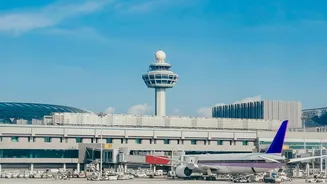





The next time you fly, the system keeping you safe in the skies might be more modern than you think. The US aviation regulator has finally started a massive overhaul, replacing critical technology that dates back to the 1980s.
A System from a Bygone Era
It might be hard to believe,
but parts of the world’s busiest aviation system have been running on technology that most people haven't seen in decades. The US Federal Aviation Administration (FAA) recently announced it has begun phasing out systems that relied on floppy disks and other hardware from the 1980s. This legacy equipment was used to store and distribute vital information for air traffic controllers, including weather data, flight alerts, and operational updates. These four legacy systems, spread across more than 400 FAA facilities, were not only outdated but increasingly difficult and costly to maintain. In some cases, the agency even resorted to finding spare parts on auction websites to keep things running.
The Push for Modernization
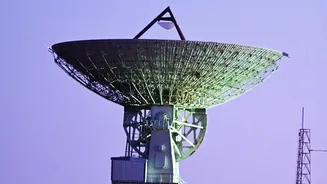
The overhaul is part of a broader, long-term initiative known as the Next Generation Air Transportation System, or NextGen, a comprehensive effort to bring US air traffic control into the 21st century. For years, the FAA has faced pressure to modernize its infrastructure, which has been strained by increasing air traffic and highlighted by occasional system failures. Recent incidents, including ground stops caused by equipment failures and cable cuts, have underscored the vulnerability of the aging network. The goal of NextGen is to move from a ground-based radar system to a more accurate and efficient satellite-based GPS system. This shift allows for a more resilient and flexible network capable of handling future demands, including the integration of new types of aircraft.
Introducing the E-IDS
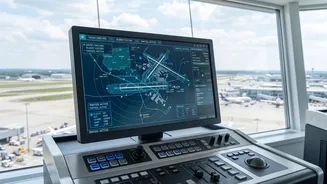
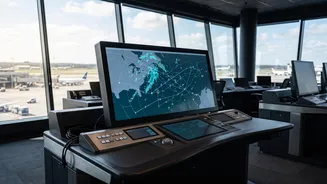
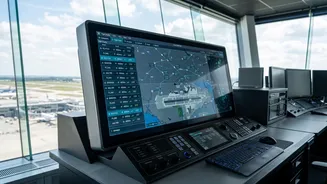
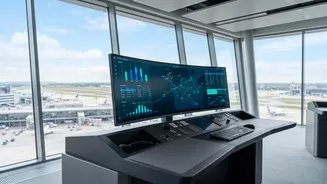
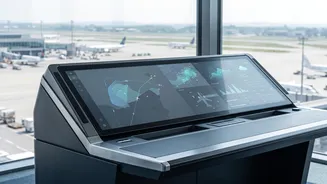
The first major step in this new push is the deployment of the Enterprise Information Display System (E-IDS). Announced on November 5, 2026, E-IDS is a digital platform designed to replace the four separate legacy systems with a single, consolidated dashboard. Instead of relying on manual processes and multiple screens, controllers will now have a centralized view of real-time information. This includes everything from weather disruptions and equipment status to restricted airspace schedules and pilot reports. According to FAA Administrator Bryan Bedford, this allows controllers to instantly share critical information and make faster, more informed decisions to keep the skies safe.
What This Means for Your Flight
While this upgrade happens behind the scenes, passengers will eventually feel the benefits. A modernized air traffic system promises greater efficiency and reliability. The NextGen program aims to allow for more direct flight paths, which can shorten travel times, save fuel, and reduce carbon emissions. Better access to real_time weather and traffic data helps controllers and pilots avoid delays and cancellations. Enhanced surveillance and communication, powered by GPS_based technology like ADS_B, improve situational awareness and overall safety by allowing aircraft to fly closer together without compromising safety standards. The rollout has begun at five initial sites, including airports in Atlantic City, Nashville, and Rochester, with a plan to install E_IDS in 435 locations by the end of 2028.