





The Backlash Against Sugar
For decades, carbonated soft drinks were the go-to for refreshment. However, a growing awareness around health and wellness has cast a long shadow over these sugary beverages. A single 300ml can of a popular cola contains roughly 33 grams of sugar, often
exceeding the recommended daily intake in one go. Young professionals, a demographic increasingly focused on long-term health, are actively seeking alternatives to the empty calories and artificial ingredients rampant in commercial sodas. This move is less about deprivation and more about making smarter, more intentional choices that align with a modern, health-conscious lifestyle. The preference is shifting from a quick sugar rush to sustained, natural energy and wellness.
The Jamun Advantage
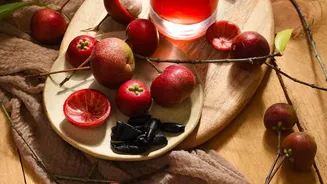
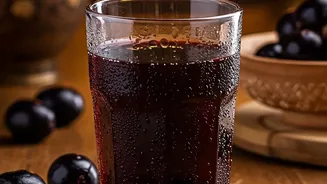
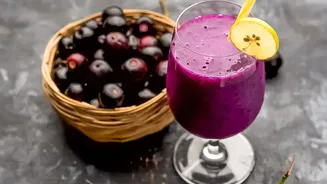
Enter the Indian blackberry, or jamun. This humble fruit, long celebrated in Ayurveda, is having a modern-day resurgence. Jamun is a nutritional powerhouse, packed with Vitamin C, iron, and potent antioxidants. It has been traditionally used to aid digestion, purify blood, and even help manage blood sugar levels due to its low glycemic index and compounds like jamboline. For young consumers looking for functional beverages, a drink that offers these inherent benefits is far more appealing than a lab-formulated soda. It's a taste of nostalgia—reminiscent of summer holidays—repackaged into a sophisticated, convenient format that fits their busy, urban lives.
Why Cold-Steeped Is Cooler
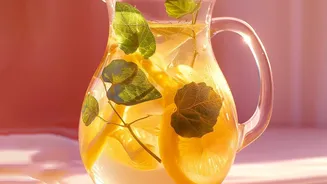
The preparation method is just as important as the ingredient itself. Cold-steeping, or cold-brewing, involves infusing ingredients in cold water over several hours. Unlike hot brewing, which can extract bitter compounds called tannins and degrade delicate flavours, the cold-steep method offers a smoother, naturally sweeter, and less astringent taste. This gentle process is believed to preserve more of the fruit's natural vitamins and antioxidants, which can be sensitive to heat. The result is a drink with a cleaner, more nuanced flavour profile that doesn't require heaps of added sugar to be palatable, making it a guilt-free indulgence.
The Rise of Artisanal and 'Craft' Culture
The preference for cold-steeped jamun is also part of a larger movement towards artisanal and craft products. For many millennials and Gen Z consumers, what they consume is an extension of their identity. Choosing a small-batch, naturally-flavoured beverage over a mass-produced soda is a statement. It signals a preference for authenticity, quality ingredients, and supporting homegrown innovation. These drinks often come with a story—about their sourcing, their health benefits, or their unique flavour profile—which resonates deeply with a generation that craves connection and transparency from the brands they support.
A Healthier, More Mindful Choice
Ultimately, the shift from a can of soda to a bottle of cold-steeped jamun represents a broader change in values. It's about moving from passive consumption to mindful choices. Young professionals are no longer just looking to quench their thirst; they're looking for hydration that nourishes, flavours that are authentic, and products that reflect their wellness goals. Commercial sodas, with their high sugar content and artificial additives, are increasingly seen as a relic of a less-informed era. The new status symbol is a beverage that is as functional and natural as it is refreshing.