




The Dangerous Allure of the Monsoon Drive
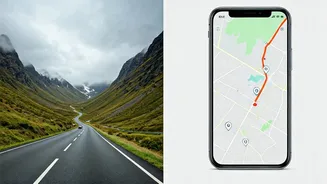
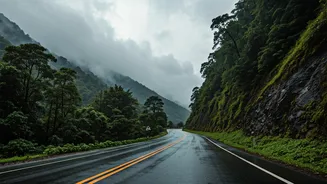
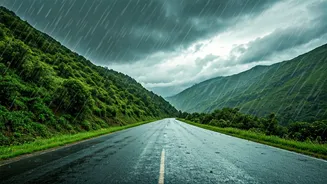
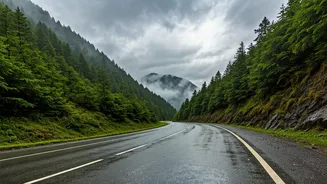
Our films and social media feeds are saturated with images that equate monsoons with romance, and long drives with freedom. The misty hills of the Himalayas and the Western Ghats become popular backdrops for couples seeking a picturesque escape. This
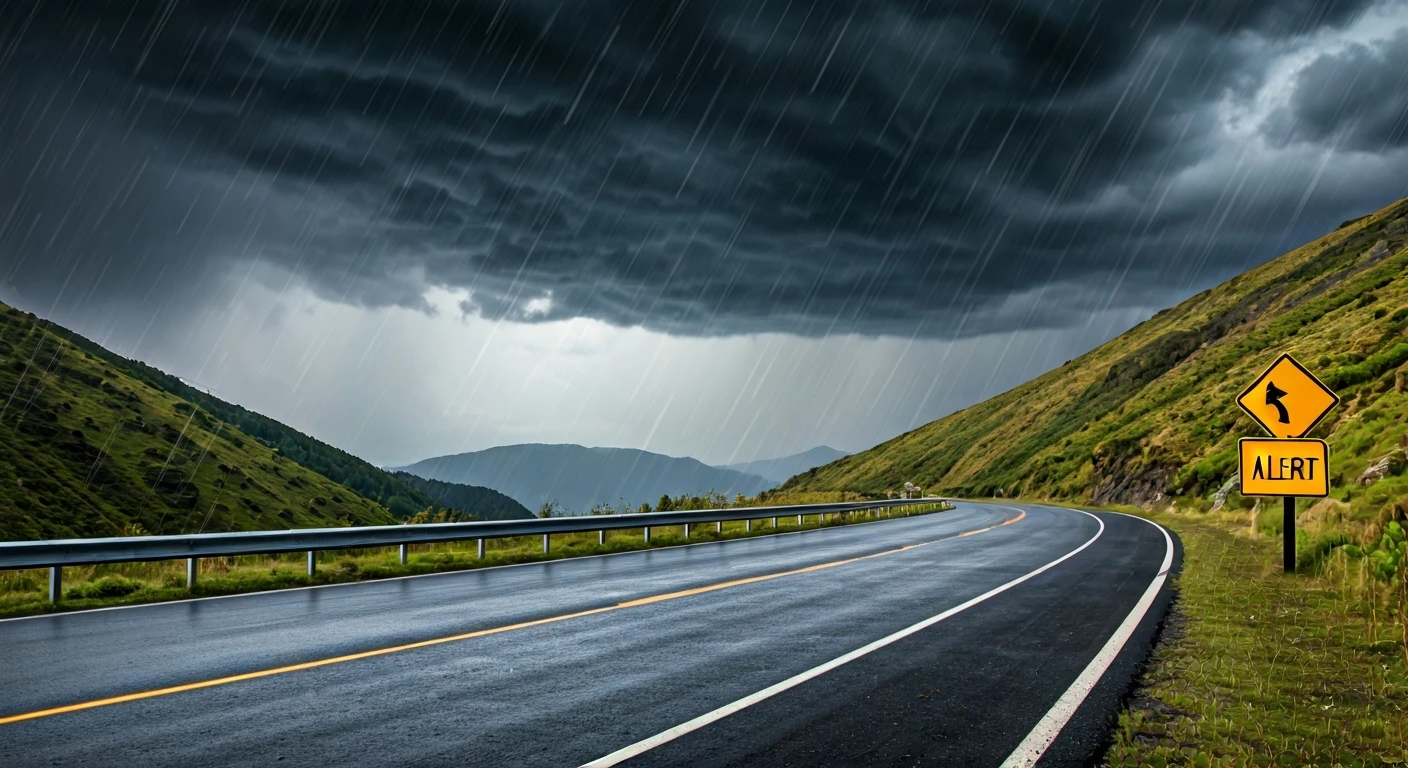
cultural conditioning creates a powerful, and perilous, narrative. The thrill of navigating a rain-slicked hairpin bend is sold as an adventure, a display of skill and daring. However, this romanticization completely ignores the life-threatening dangers that are part of the package. It encourages a form of recreational risk-taking where the consequences are not just personal, but societal. This isn’t about adventure; it’s about recklessness disguised as romance.
The Stark Reality: Landslides and Accidents
The reality of monsoon driving in the hills is written in sobering statistics and tragic headlines. The combination of heavy rainfall and fragile geology makes regions like Uttarakhand and Himachal Pradesh highly susceptible to landslides. A 2026 scientific study published in the Journal of Earth System Science revealed a disturbing trend in the Uttarakhand Himalayas: 67% of deadly landslides recorded over 150 years have occurred since the year 2000, coinciding with a sharp increase in extreme rainfall events. The India Meteorological Department (IMD) frequently issues warnings for these regions, cautioning travellers about potential road closures, flash floods, and landslides, as seen in June 2026 advisories. Roads can become extremely slippery, and visibility can drop to near zero, yet the lure of a 'romantic' getaway proves too strong for many. In June 2026, authorities in Himachal had to resort to fining tourists who were ignoring warnings and entering rising rivers for selfies. Each year, stories emerge of vehicles being swept away, stranded for days, or worse, becoming statistics in the national road accident tally.
Understanding the Real Risks
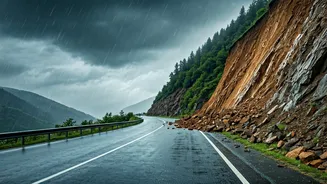
The dangers go beyond just slippery roads. During the monsoon, the ground becomes saturated, making slopes unstable and prone to collapse, often without warning. A clear road can be blocked by tonnes of debris in minutes. This is a common hazard in hill areas during the monsoon. Flash floods are another severe threat, where a sudden surge of water can turn a dry gully or a calm stream into a raging torrent. These events don't require it to be raining where you are; heavy rainfall upstream is enough to trigger them. Driving in such conditions means contending with hydroplaning, where tyres lose contact with the road surface, leading to a complete loss of control. Visibility is severely hampered by rain and fog, making it impossible to spot potholes, fallen rocks, or other vehicles in time. It is a cocktail of hazards that even the most experienced driver cannot fully control.
A Burden on Local Communities and Rescuers
The decision to undertake a risky journey is not just a personal one. When tourists get stranded or meet with an accident, it places an immense burden on local administration and rescue services like the SDRF. Resources that are already stretched thin dealing with local emergencies are diverted to rescue thrill-seekers who ignored advisories. Roadblocks caused by tourist vehicles create chaos, hindering the movement of essential supplies and emergency services for the local population who have no choice but to live with these dangers. By treating the fragile and dangerous monsoon landscape as a playground, tourists exhibit a profound disrespect for the local communities and the environment. This behaviour is not brave or romantic; it is selfish and irresponsible.
Redefining Romance and Adventure
True romance and adventure should not have to come at the cost of safety and common sense. There is nothing romantic about putting your own life, your loved one's life, and the lives of potential rescuers at risk. A real adventure is one that is planned with respect for nature and an awareness of the potential dangers. It means heeding weather warnings, choosing safer destinations, or simply enjoying the monsoon from a place of safety. Romance can be found in a cup of tea enjoyed on a balcony while it rains, not in a car skidding towards the edge of a cliff. It's time for a cultural shift. We must stop glorifying recklessness and start celebrating responsible behaviour. Let's admire the power of the monsoon from a safe distance, not challenge it from behind a steering wheel.