
What Exactly Is a Cool Roof?
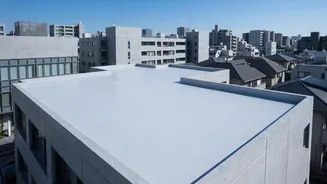
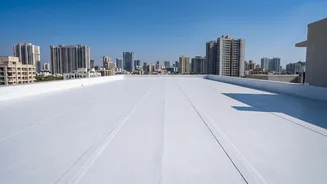
A cool roof is simply a roof that has been designed to reflect more sunlight and absorb less heat than a standard roof. Think of it like wearing a white shirt on a sunny day instead of a black one. A conventional dark concrete or tar roof can absorb a huge
amount of solar radiation, reaching surface temperatures that make it impossible to walk on barefoot. This intense heat is then transferred downwards, warming up the rooms below. A cool roof does the opposite. By using reflective paints, special coatings, or even traditional materials, it bounces a significant portion of the sun's energy back into the atmosphere, keeping the roof surface and the building beneath it much cooler. This passive cooling method works without using any electricity, offering a first line of defence against punishing heat.
The Science of Staying Cool
The effectiveness of a cool roof comes down to two key properties: solar reflectance and thermal emittance. Solar reflectance is the measure of how much sunlight the roof reflects. A higher value means more reflection and less heat absorption. Thermal emittance refers to the roof's ability to radiate away the heat it has absorbed. An ideal cool roof has high values for both. Materials like white lime wash (chuna), white ceramic tiles, or specially formulated acrylic paints containing reflective pigments like titanium dioxide are highly effective. These surfaces can stay up to 30°C cooler than a traditional dark roof under the same sun, which has a massive impact on the temperature of the living spaces below.
Can It Really Lower Room Heat by Five Degrees?
The claim of lowering room temperatures by up to five degrees Celsius is well-supported by studies and real-world projects in India. Research has shown that cool roofs can reduce indoor temperatures by a range of 2°C to 5°C. For example, initiatives in Ahmedabad, a city that pioneered a Heat Action Plan after a devastating 2010 heatwave, have demonstrated these benefits clearly. In slum communities where homes often have poor ventilation, residents reported not just cooler homes but also better sleep and lower electricity bills after their roofs were painted. Similarly, Telangana's state-wide Cool Roof Policy, the first in India, was backed by research estimating indoor temperature drops of 2.1°C to 4.3°C. While the exact reduction depends on factors like roof material, insulation, and building design, a 3-5 degree drop is a realistic expectation for many top-floor homes.
More Than Just a Cooler Room
The benefits of a cool roof extend beyond personal comfort. By reducing the need for air conditioning, they lead to significant energy savings. Households can see a reduction of 15-30% in energy used for cooling. For a city, this means less strain on the power grid during peak summer demand. Widespread adoption of cool roofs also helps combat the 'urban heat island' effect, where cities are significantly hotter than surrounding rural areas due to heat-absorbing concrete and asphalt. By reflecting sunlight, cool roofs can help lower the ambient temperature of an entire neighbourhood. Furthermore, by shielding the roof from harsh UV radiation and extreme temperature fluctuations, these reflective coatings can extend the life of the roof itself, reducing maintenance costs over time.
How to Get a Cool Roof in India
Implementing a cool roof can be surprisingly accessible and affordable. For those on a tight budget, a traditional coating of white lime wash (chuna), sometimes mixed with a binder like Fevicol for durability, can be a highly effective DIY solution for under ₹1,500. For a more durable and professional finish, several companies offer specialised heat-reflective paints. The cost for these can range from ₹30 to ₹60 per square foot, including labour, and they typically last for four to five years. A longer-lasting but more expensive option is installing white mosaic or ceramic tiles, a common sight on many Indian terraces. While the initial investment is higher, these can last for over a decade. Cities like Ahmedabad and Hyderabad have been actively promoting these solutions, making information and sometimes even materials more accessible through local NGOs and municipal programs.