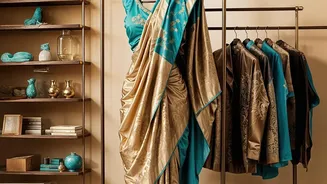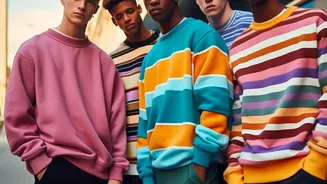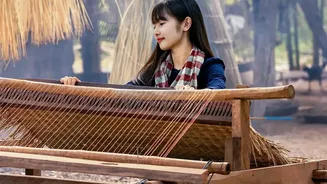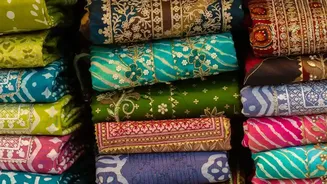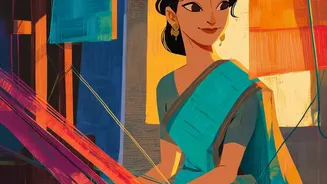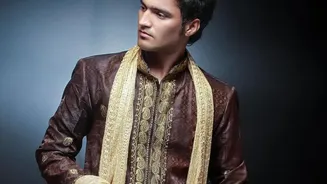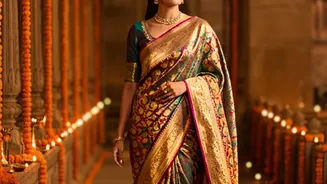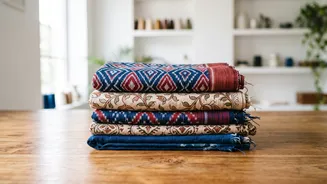

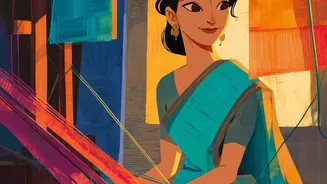
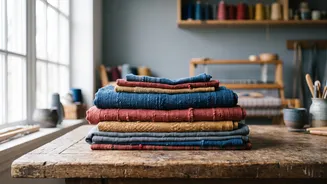
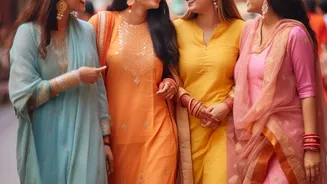
While often linked to global fast-fashion giants, a significant shift is underway. India’s Gen Z is looking inward, embracing regional textiles and redefining what it means to be stylish, sustainable, and connected to their roots.
From Fast Fashion to Conscious Choices
For years, the story
of youth fashion was one of speed and disposability. But Generation Z, the world's first digital-native cohort, is rewriting the rules. Having grown up with an awareness of the environmental and ethical costs of fast fashion, many are now seeking alternatives that align with their values. This has sparked a renewed interest in India's rich handloom heritage. Choosing a handwoven garment is a conscious rejection of mass production. It’s a move towards 'slow fashion'—investing in fewer, higher-quality pieces that last longer and carry deeper meaning. For these young consumers, a handloom piece isn't just an outfit; it’s a statement about the kind of world they want to live in.
The Search for Authenticity and Identity
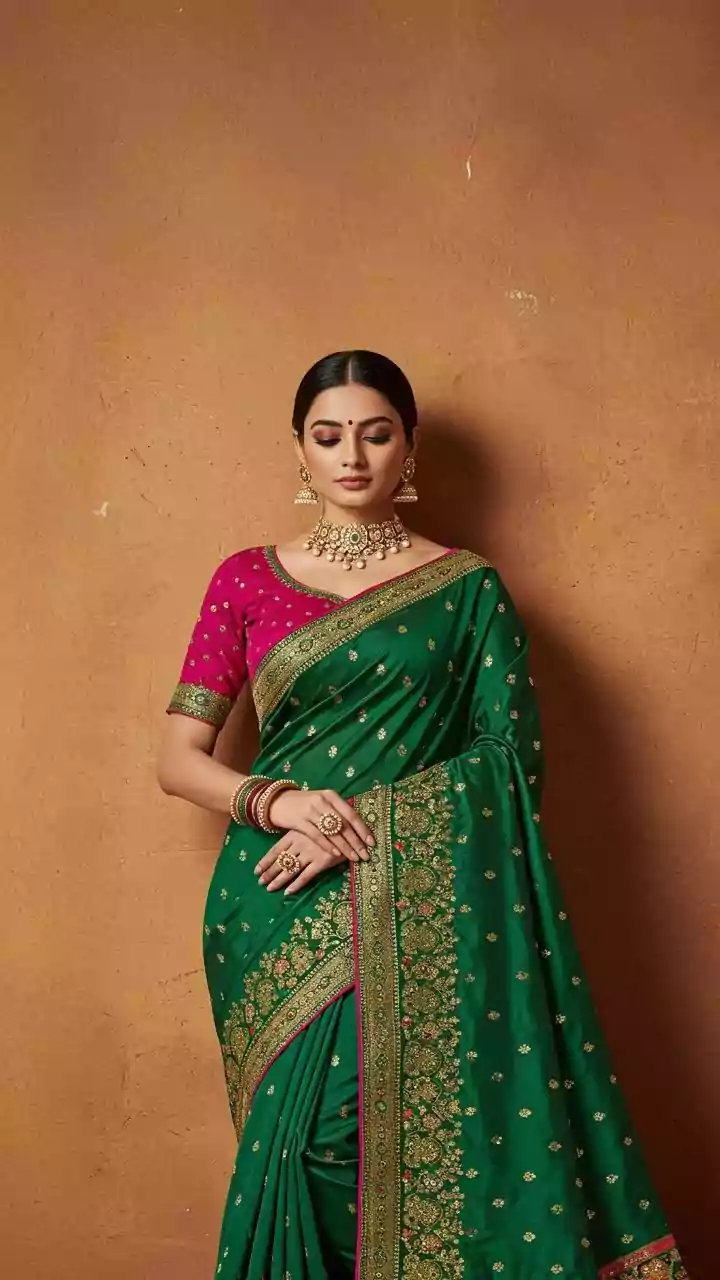
In a world saturated with global trends and homogenised styles, regional textiles like the gossamer-light Chanderi from Madhya Pradesh or the intricate Pochampally Ikat from Telangana offer something invaluable: uniqueness. Each handwoven fabric tells a story, bearing the subtle imperfections and character of its maker. This resonates deeply with Gen Z, a generation that prizes individuality and self-expression. Wearing a handloom piece is an act of cultural ownership and pride. It’s a way to connect with their roots while standing out from the crowd. More than just clothing, these textiles are a 'cultural fingerprint', a tangible link to a heritage passed down through generations.
Heritage Goes Digital
Social media has become a powerful catalyst in this textile revival. Platforms like Instagram have democratised fashion, allowing influencers and style-conscious users to showcase how traditional fabrics can be integrated into modern wardrobes. Gone are the days when a Chanderi saree was reserved for a wedding. Today, you’re just as likely to see an Ikat jacket paired with denim, a hand-block printed skirt worn with sneakers, or a Jamdani saree styled with combat boots. This digital visibility not only provides styling inspiration but also builds a direct bridge between artisans and consumers, allowing weavers to share their stories and process with a global audience.
Modern Silhouettes, Timeless Crafts
A key reason for the growing appeal of these textiles is their adaptation into contemporary forms. Designers and brands are innovating with classic weaves, creating modern silhouettes like bomber jackets, co_ord sets, and breezy kaftans that speak to a younger aesthetic. By moving beyond traditional wear, brands are making heritage fabrics more accessible and relevant for everyday life. This fusion allows Gen Z to incorporate a piece of their culture into their daily style without feeling confined to conventional ethnic wear. They can appreciate the craftsmanship of a Banarasi weave on a pair of jeans or the texture of Khadi in a modern dress, blending tradition with their personal style.
The Story Behind the Weave
Ultimately, the shift towards regional textiles is driven by a desire for connection. More than any generation before them, Gen Z wants to know the story behind their purchases: where a product came from, what it's made of, and who made it. Supporting the handloom sector is a direct way to empower local artisan communities, ensure fair wages, and help preserve living traditions. This generation understands that investing in a handcrafted piece is about more than just aesthetics; it's a vote for ethical production and cultural preservation. It's a recognition that these fabrics are not relics of the past, but a vibrant and essential part of India’s present and future.