






The Significance of a Light Breakfast
Shravan arrives during the peak of the monsoon season, a time when, according to Ayurveda, our digestive system is naturally weaker. Heavy, oily, and processed foods can feel particularly burdensome. The dietary customs of Shravan, which often involve
fasting or adopting a Sattvic diet (avoiding onion, garlic, meats, and sometimes grains), align perfectly with this seasonal need for lighter meals. A light, nutritious breakfast sets a positive tone for the day, providing sustained energy for prayers and daily activities without taxing the digestive system. The focus is on fresh, easy-to-digest foods that nourish both body and spirit.
Fruit and Nut Smoothie
A smoothie is perhaps the quickest and most refreshing way to start a fasting day. It’s a no-cook option that packs a powerful nutritional punch. Blend a combination of Shravan-approved fruits like bananas and apples with a handful of almonds or walnuts for healthy fats and protein. Add a base of milk or yogurt (dahi) to make it creamy and more substantial. For an extra boost, you can include a spoonful of soaked chia seeds. This simple breakfast is hydrating, rich in vitamins, and keeps you feeling full and energised for hours, making it ideal for a busy monsoon morning.
Soft Sabudana Khichdi
Sabudana, or tapioca pearls, is a staple during fasting periods across India. While it's often associated with heavy, fried vadas, a well-made sabudana khichdi can be incredibly light and comforting. To achieve a soft, non-sticky texture, ensure you soak the pearls correctly. Sauté the soaked sabudana with boiled and cubed potatoes, roasted peanuts, and a simple tempering of cumin seeds and green chillies in ghee. Season with sendha namak (rock salt). This dish provides a good dose of carbohydrates for instant energy, making it a perfect warm and satisfying breakfast for a rainy day.
Rajgira or Kuttu Cheela
For those who prefer a savoury, pancake-like breakfast, cheelas made from fasting-friendly flours are an excellent choice. Both rajgira (amaranth) and kuttu (buckwheat) flours are gluten-free and packed with nutrients. To make the batter, simply mix the flour with water or yogurt to a pouring consistency, adding finely chopped coriander, green chillies, and rock salt. Pour spoonfuls onto a hot, lightly greased pan and cook until golden on both sides. These cheelas are light, high in protein, and can be served with a side of plain yogurt or a simple mint chutney.
Makhana Porridge or Upma
Makhana, or fox nuts, are a nutritional powerhouse, rich in protein and low in fat. They are wonderfully versatile and can be used to create a light and filling breakfast. For a quick upma, lightly roast the makhana in ghee until crisp, then crush them slightly. Sauté cumin seeds, chopped green chillies, and peanuts in a pan, add the crushed makhana, a splash of water or milk, and cook until it softens into an upma-like consistency. Alternatively, for a sweeter option, you can make a simple kheer or porridge by simmering the roasted makhana in milk with a touch of cardamom and a natural sweetener like jaggery.
Steamed Sama Idlis
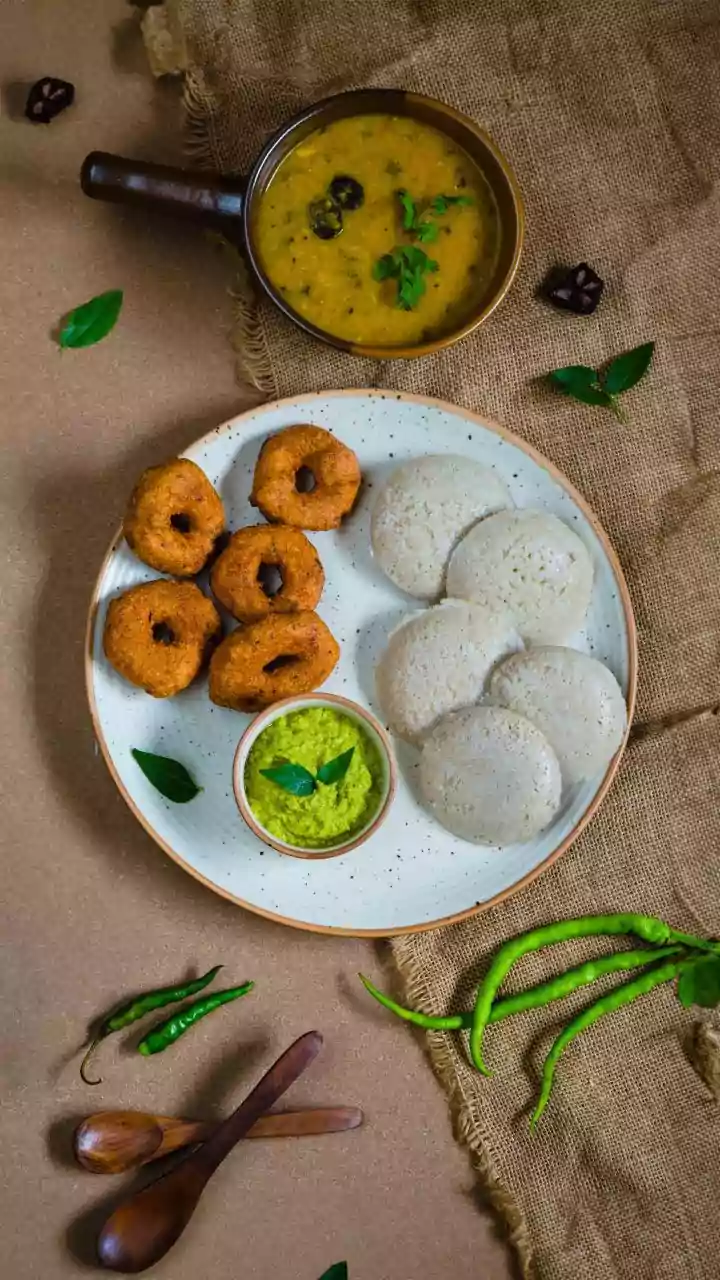
If you crave a South Indian breakfast, you don't have to miss out during Shravan. Sama or samak rice (barnyard millet) is a fantastic vrat-friendly grain that can be used to make soft, fluffy idlis. A batter can be made from sama rice and sabudana. This batter is then steamed in an idli mould. These idlis are incredibly light on the stomach and easy to digest. Serve these steamed delights hot with a simple coconut or peanut chutney (made without onion or garlic) for a wholesome and satisfying monsoon breakfast that aligns perfectly with fasting traditions.