



A Record-Breaking August
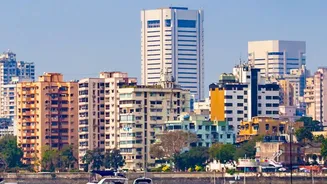
The numbers for August 2026 speak for themselves. Mumbai recorded 12,503 property registrations, an 11% increase compared to the same month last year. According to property consultancy firm Knight Frank India, this is the highest number of registrations seen
in the month of August in over 14 years. This activity has also been a boon for the state exchequer, which collected over ₹1,123 crore in stamp duty revenue, a 12% year-on-year jump. While there was a slight dip compared to the exceptionally high numbers in July 2026, the strong annual growth underscores a market with sustained momentum and deep-rooted buyer confidence.
What's Fuelling the Demand?
Several factors are contributing to this continued housing demand. Industry experts point to sustained end-user interest, where people are buying homes to live in rather than for pure speculation. This is bolstered by a sense of stability, with many homebuyers feeling confident about their employment and income prospects. Furthermore, major infrastructure upgrades across the city, such as new metro lines and the coastal road, are improving connectivity and making suburban locations more attractive. Buyers are becoming more discerning, favouring well-located projects with quality amenities, which developers are keen to provide. Ahead of the festive season, this combination of factors has created a fertile ground for sales.
The Great Affordability Divide
While sales are booming, the question of affordability presents a more complex picture. Mumbai remains India's least affordable housing market. An affordability index, which measures the percentage of income needed to pay monthly loan instalments (EMIs), stands at a staggering 69% for Mumbai, far above the 50% threshold considered affordable. This means that despite lower interest rates in the first half of the year, high property prices have neutralized most of the benefits for the average homebuyer. The market appears to be splitting. Demand for premium and luxury homes is at an all-time high, while the affordable segment, for homes under ₹1 crore, has seen demand fall. This suggests that while affluent buyers continue to invest, the dream of homeownership is becoming more challenging for the middle class.
A Market of Many Markets
To truly understand Mumbai's real estate, one must look beyond city-wide averages. Prices and demand vary drastically by locality. South Mumbai remains the pinnacle of the market, with prices often exceeding ₹45,000 per square foot. The prime Western suburbs like Bandra and Andheri command prices ranging from ₹38,000 to ₹55,000 per square foot for a 2BHK. In contrast, extended suburbs and surrounding regions offer more accessible entry points, with prices in some areas hovering between ₹18,000 and ₹28,000 per square foot. This segmentation highlights that while a home in a prime locality is out of reach for many, peripheral areas are becoming the new hotspots for first-time buyers and those with moderate incomes.
What Lies Ahead?
Looking forward, experts predict that property prices in Mumbai will continue to rise steadily, with forecasts suggesting annual growth between 5% and 8%. This sustained price appreciation means the affordability challenge is likely to intensify. The market's health will depend on a delicate balance. Stable home loan interest rates are crucial to maintaining buyer sentiment. However, for the market to remain inclusive, sustained income growth is needed to bridge the widening gap between property values and household earnings. For now, the message for prospective buyers is one of cautious optimism. The market is active and full of opportunities, but thorough research and realistic financial planning have never been more critical.