

A Tradition Steeped in History
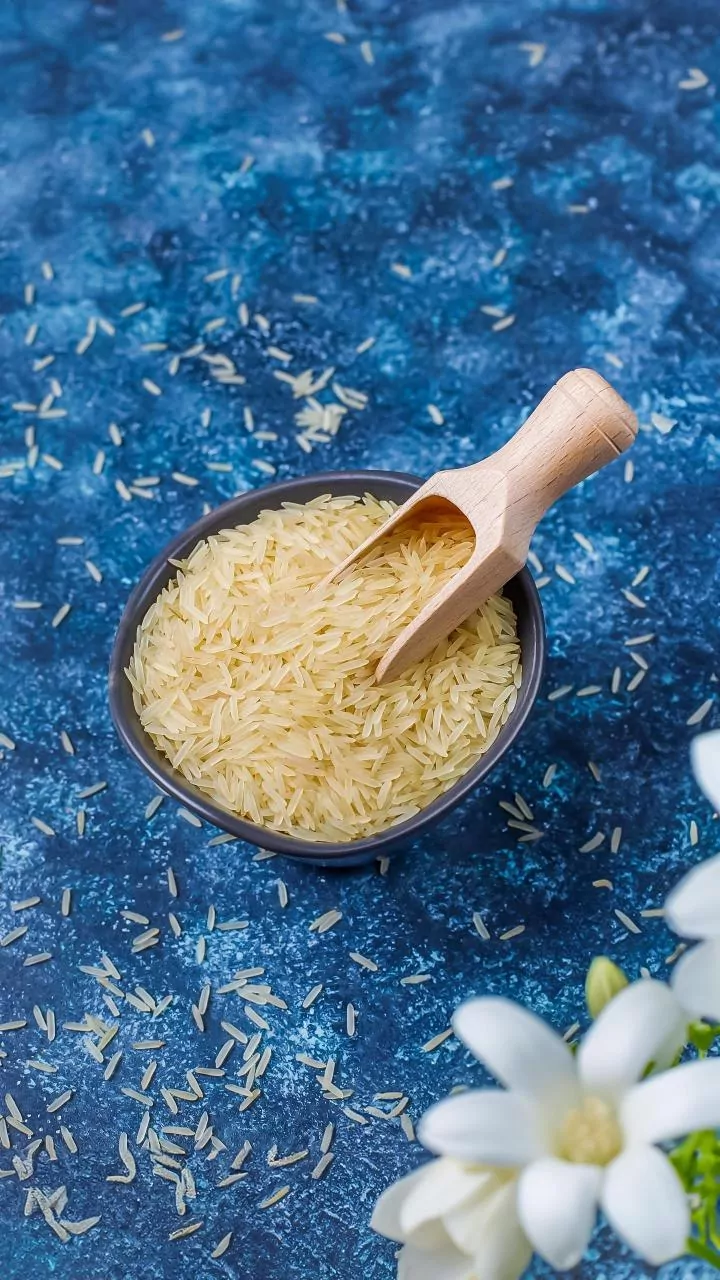
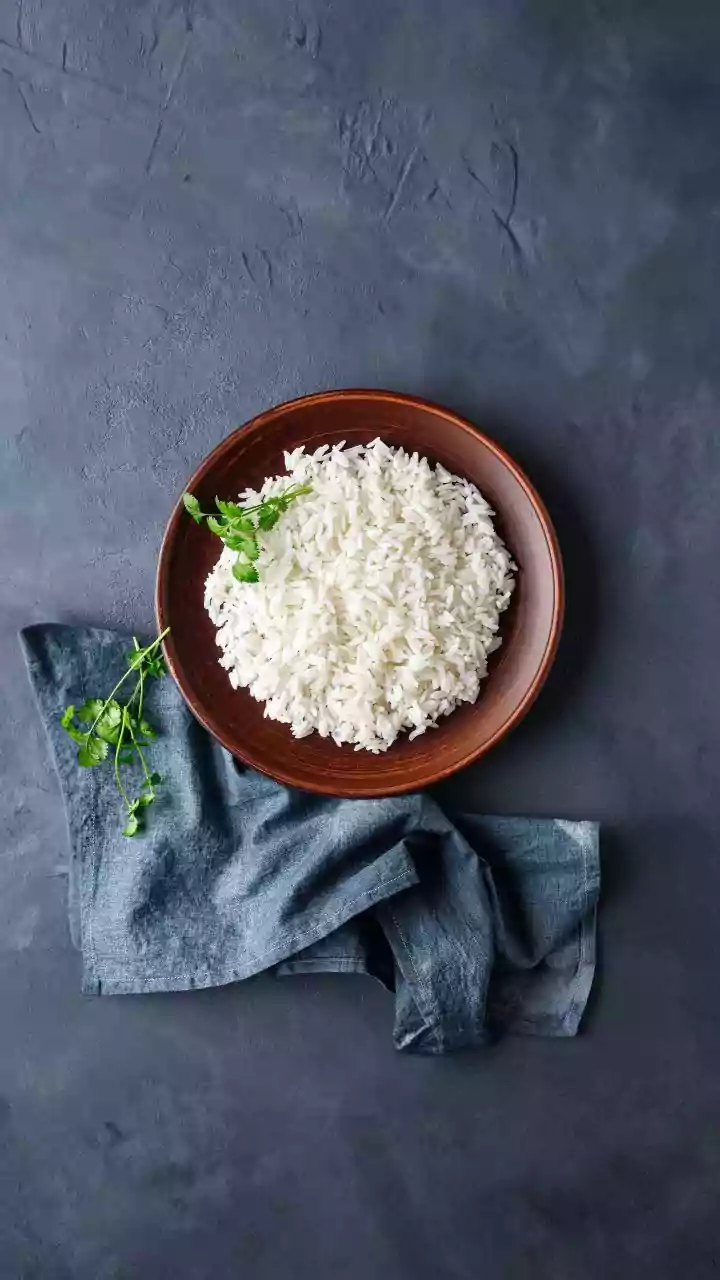
The practice of using rice water on hair is far from new. Its roots are deeply embedded in Asian history, most famously with the Yao women of China's Huangluo village. Known for their astonishingly long, dark, and healthy hair that often doesn't grey
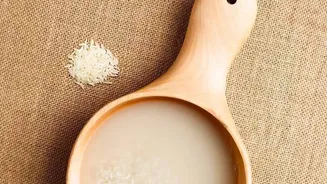
until they are well into their 80s, their secret has long been attributed to washing their hair in fermented rice water. This tradition isn't isolated; historical records show that court ladies during Japan's Heian Period (794-1185 AD) also used rice water to maintain their floor-length hair. These practices weren't just about aesthetics; they were a core part of their beauty and wellness rituals, passed down through generations. This rich cultural history provides a powerful narrative that has captivated a new generation seeking natural and time-tested solutions.
Decoding the Hair Benefits
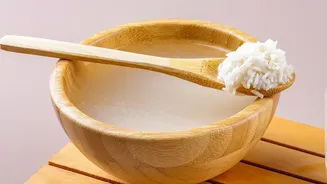
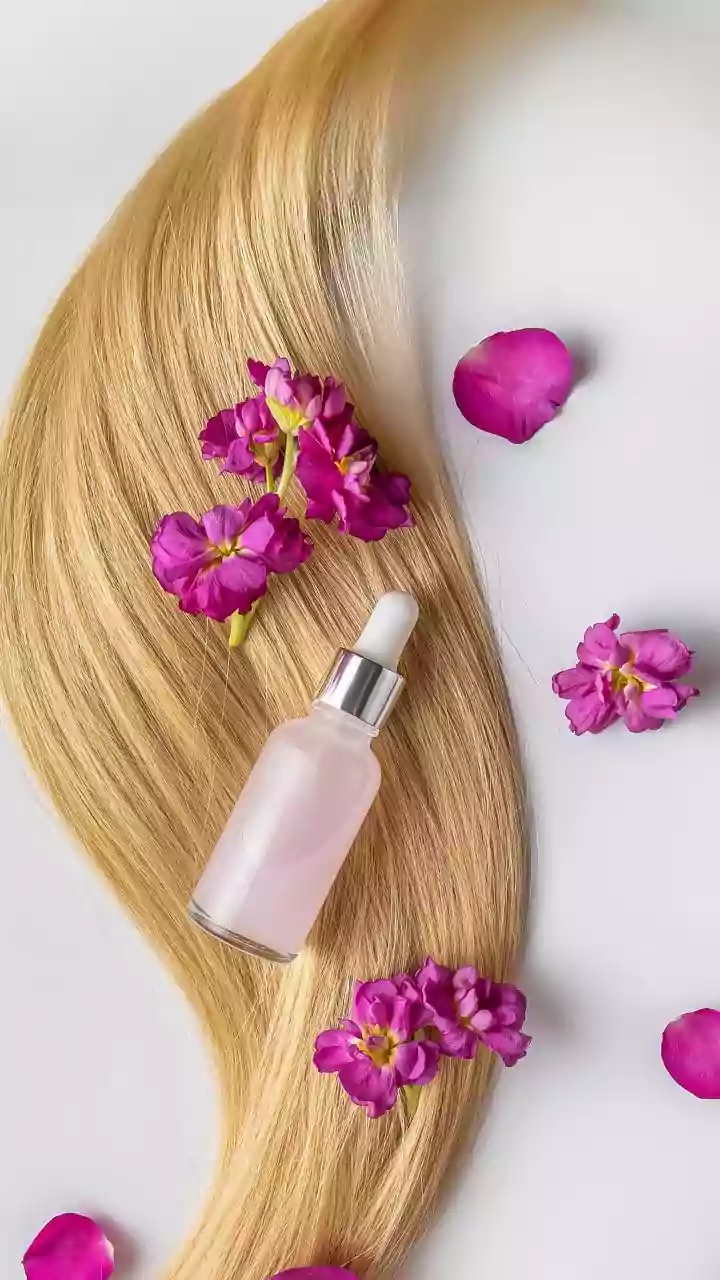
The main claim to fame for rice water is its effect on hair strength and shine, and there's some science to back it up. The power lies in its composition. Rice water is rich in amino acids, vitamins B and E, and minerals. A key component is inositol, a carbohydrate that has been shown to penetrate the hair shaft, helping to repair damage and strengthen the hair from within. Fermentation enhances these benefits. The process lowers the water's pH to be closer to the hair and scalp's natural acidity, which helps to smooth the hair's outer layer, or cuticle. This flattened cuticle results in less friction, more shine, and easier detangling. Fermentation also breaks down larger rice proteins into smaller amino acids that the hair can more easily absorb, reinforcing its structure and reducing breakage.
A Boost for Your Gut?
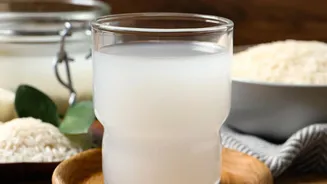
While the hair benefits are more widely discussed, the use of fermented rice water for gut health is also a traditional practice in many cultures, particularly in India and Southeast Asia. Known by names like 'Neeragaram' or 'Kanji', this liquid is consumed as a probiotic-rich drink. The fermentation process encourages the growth of beneficial bacteria, such as Lactobacillus, which are known to support a healthy gut microbiome. These probiotics can aid in digestion, improve nutrient absorption, and help maintain a balanced gut environment. The liquid also contains 'postbiotics'—beneficial compounds like organic acids created during fermentation—that can help reduce inflammation and strengthen the gut barrier. However, it's crucial to distinguish this from the water used for hair.
Proceed with Caution
Despite the benefits, experts urge a measured approach. For hair, overuse of rice water, especially concentrated fermented versions, can lead to 'protein overload'. This can make the hair stiff, dry, and brittle, ironically causing the breakage you were trying to prevent. Dermatologists advise using it as a diluted rinse no more than once or twice a week and always doing a patch test. For gut health, the risks of homemade preparations are more significant. Improper fermentation can lead to the growth of harmful bacteria, and some studies note that rice can accumulate arsenic from the soil, which can leach into the water. Therefore, consuming homemade fermented rice water carries a risk of foodborne illness or contamination. Anyone with a sensitive scalp, skin conditions like eczema, or experiencing significant hair loss should consult a dermatologist before trying it.