




What Exactly Is 'Pineappling'?
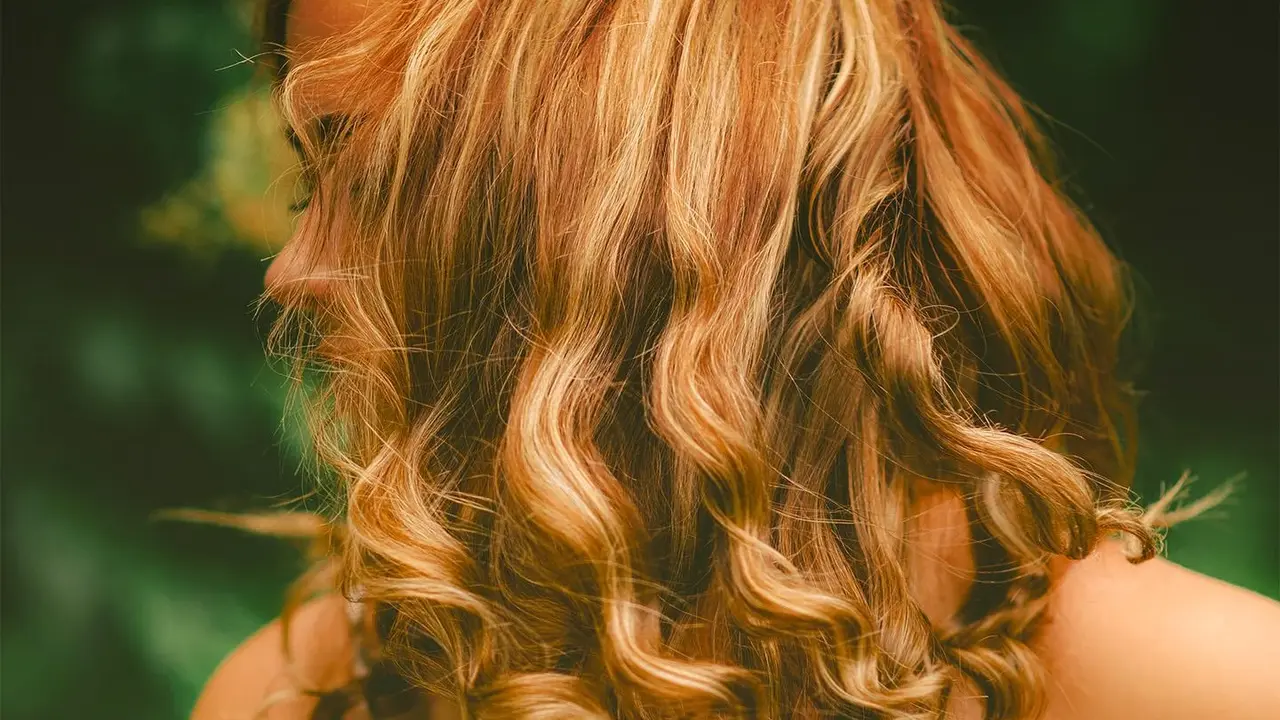
The pineapple method is an incredibly simple protective hairstyle for sleeping. It involves loosely gathering your hair into a high ponytail positioned at the very top, or crown, of your head. The name comes from the resulting look: a cascade of curls
spilling forward and outward, much like the leafy top of a pineapple. The core principle is to lift your curls up and away from your pillow, preventing them from being crushed, stretched, or roughed up by friction as you sleep. This single step drastically reduces overnight frizz, minimises tangles, and helps maintain the definition and volume of your curl pattern, making your morning routine significantly faster and easier.
Who Can Benefit From This Method?
The pineapple method is most effective for individuals with medium to long hair, long enough to be gathered comfortably at the top of the head. It works wonderfully across a spectrum of hair types, from Type 2 waves to Type 3 curls and Type 4 coils. Those with wavy hair might find a looser pineapple helps preserve their pattern without stretching it, while those with tighter coils will benefit from the volume preservation. For people with short hair that can't be pulled into a single high ponytail, variations like multiple mini-pineapples or simply using a satin bonnet or scarf are excellent alternatives to achieve similar protective benefits.
A Step-by-Step Guide to the Perfect Pineapple
Mastering this technique takes less than a minute. First, ensure your hair is completely dry; pineappling wet or damp hair can stretch your curls and lead to damage. Lean forward from the waist, flipping your hair over your head so it all falls toward the floor. This uses gravity to help you gather your hair without disturbing the curl clumps. Gently collect your hair at the highest point of your head, close to your forehead. The goal is a loose gathering, not a sleek, tight ponytail. Secure the hair with a soft, curl-friendly hair tie. The ponytail should be loose enough that it feels like it could almost fall out. If you have very long or thick hair, consider creating two separate pineapples to better distribute the weight.
The Essential Toolkit for Success
The single most important tool for pineappling is a silk or satin scrunchie. Unlike standard elastic hair ties, a satin scrunchie glides over the hair, preventing the dreaded ponytail dent, minimising friction, and reducing the risk of breakage. To level up your protection, combine the pineapple with other curl-friendly sleep accessories. Wrapping your pineappled hair in a satin scarf or bonnet provides an extra layer of defense against friction, especially if you toss and turn. Sleeping on a silk or satin pillowcase is another highly recommended step. It ensures that any curls not contained in the pineapple are still protected from the moisture-absorbing and frizz-inducing texture of cotton.
The Morning-After Takedown and Refresh
In the morning, the takedown is as important as the setup. Gently remove the scrunchie without pulling or snagging your curls. Flip your head back up and give your hair a light shake from the roots to help it settle back into place. For many, this is all that's needed. Your curls should fall with most of their definition intact. If you notice any flattened sections or stubborn curls, you can lightly mist your hair with water or a curl refresher spray and gently scrunch to revive them. Avoid adding heavy creams or gels to dry hair, as this can cause frizz and weigh your style down.
Common Mistakes to Avoid
While the pineapple method is simple, a few common errors can undermine its effectiveness. The biggest mistake is making the ponytail too tight. This creates tension on your roots and will leave a noticeable dent in your hair, defeating the purpose of the style. Another error is using the wrong kind of hair tie. A standard elastic or rubber band will snag and break delicate strands and create a harsh crease. Finally, never pineapple wet hair. Hair is most fragile when wet, and securing it in this state can stretch the curl pattern permanently and cause breakage. Always wait until your hair is 100% dry.