




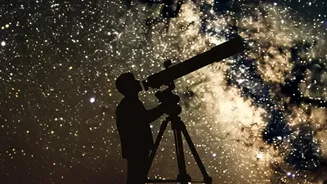
The Unique Magic of Winter Skies
Winter is widely considered the best time for stargazing in India for a simple reason: clarity. The post-monsoon period from October to March typically brings drier air and less atmospheric haze, resulting in sharper, more vibrant views of the cosmos.
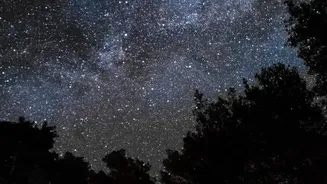
This is when constellations like Orion, Taurus, and the Pleiades star cluster (known as Krittika in India) take centre stage in the night sky. For enthusiasts, these cold, clear nights provide the perfect opportunity to witness deep-sky objects that are often obscured during other times of the year.
Beyond the Backyard Telescope
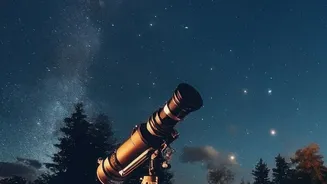
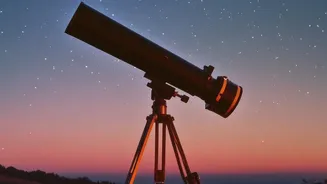
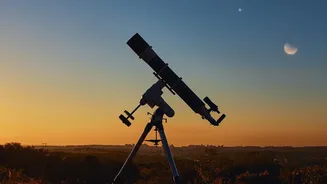
A personal telescope opens up the universe, but specialized tours offer a significant upgrade in firepower. Many astro-tourism companies provide access to high-end equipment that is often too expensive or cumbersome for the average hobbyist to own. This can include large-aperture Dobsonian telescopes that can gather immense amounts of light, revealing faint nebulae and distant galaxies, or computerized 'GoTo' mounts that can automatically locate thousands of celestial objects. This access to professional-grade gear allows participants to see objects like the faint arms of the Andromeda Galaxy or the intricate structure of the Orion Nebula in stunning detail.
Expert Guidance Makes the Difference
Perhaps the biggest advantage of a guided tour is the presence of an expert. Tour leaders are often seasoned astronomers who do more than just point a telescope. They act as interpreters of the cosmos, weaving together the science behind celestial phenomena with the ancient myths and stories associated with the constellations. This narrative layer transforms stargazing from a passive viewing activity into an educational and deeply engaging experience. They can answer questions in real-time, help you understand complex concepts, and guide you on how to properly observe objects to notice subtle details, like the cloud bands of Jupiter or the rings of Saturn.
Prime Locations, Peak Viewing
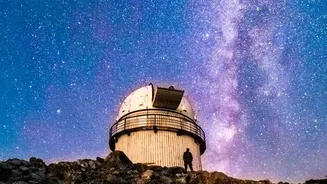
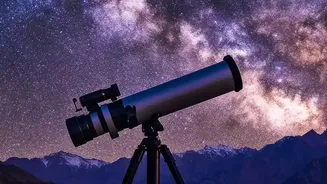
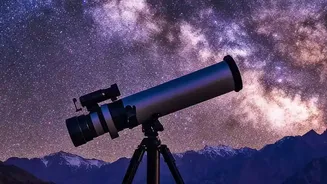
Location is everything in astronomy, and tour operators are experts at finding the best spots. These tours take enthusiasts to regions with minimal light pollution, a critical factor for quality stargazing. High-altitude deserts like those in Ladakh and the Spiti Valley are prime destinations, offering Bortle Class 1 or 2 skies—the darkest possible rating. Other popular winter locations include the Rann of Kutch in Gujarat and remote parts of Rajasthan. While winter conditions in the Himalayas can be extreme, requiring serious preparation, the reward is exceptionally clear and dark skies. Tour companies handle the logistics of reaching these remote, optimised viewing sites safely.
A Community Under the Stars
There is a unique camaraderie that develops when you share a profound experience like gazing into the Milky Way. These tours bring together a diverse group of people—from curious beginners to seasoned astrophotographers—who all share a common passion. This shared context fosters easy conversation and a sense of community. It's a space to exchange tips, share the excitement of a first-time observation, and learn from fellow enthusiasts. For many, this social element is just as rewarding as the celestial views themselves, turning a solo hobby into a memorable shared adventure.