



Moving Beyond Mass-Produced Gestures
For years, festive and occasional gifting in India followed a familiar script. While traditional sweets and dry fruits remain part of celebrations, consumers are increasingly looking for alternatives that feel more personal and purposeful. This shift
is not just about the gift itself, but what it communicates. Gifting is evolving from a transactional exchange into an expression of taste, care, and identity. The modern Indian consumer is more informed and discerning, seeking quality and a story behind the product rather than just abundance. As a result, generic, mass-produced items are losing their appeal, making way for gifts that reflect mindfulness and a genuine understanding of the recipient.
The Search for Deeper Connection
In an increasingly digital world, and particularly after the pandemic highlighted the importance of personal bonds, gifts have become a powerful medium for expressing emotion and strengthening human connections. Consumers are actively seeking presents that carry a personal touch and create memorable moments. This has fueled a significant demand for personalized and customized items, which has grown by 45 percent according to some industry players. Options like engraved keepsakes, monogrammed hampers, and curated boxes tailored to the recipient's personality are becoming the new standard. This move toward personalization shows that the 'why' behind the gift—the expression of a unique relationship—is now just as important as the 'what'.
Wellness as a Form of Care
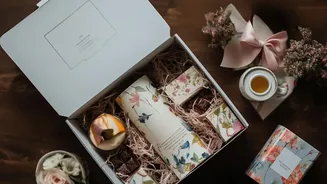
The growing global focus on health and self-care has profoundly influenced gifting trends in India. Concerns about health and a desire for a more mindful lifestyle have led many to seek alternatives to conventional edible gifts. Wellness-themed hampers are now one of the most popular categories, filled with items like herbal teas, aromatherapy candles, essential oils, organic skincare, and self-care kits. Gifting wellness products is seen as a direct expression of care for the recipient's well-being. These hampers, often featuring handmade artisan products, promote rituals of relaxation and slowing down, offering a meaningful experience that lasts beyond the initial exchange.
The Rise of Conscious Gifting
Sustainability is no longer a niche concern; it's a core value influencing purchasing decisions, especially among younger shoppers. This shift is evident in the gifting space, with a growing preference for eco-friendly, ethically sourced, and locally made products. Consumers are choosing sustainable gifts because they align with their values, support local artisans, and reduce waste. These thoughtful hampers might include reusable packaging, products made from recycled or natural materials like jute and bamboo, and items from brands committed to social responsibility. This trend reflects a broader move towards conscious consumption, where a gift's positive impact on the planet and its producers adds to its emotional value.
Curation and the D2C Revolution
The rise of Direct-to-Consumer (D2C) brands has been a major catalyst in the popularity of curated gift hampers. These brands often specialize in niche categories like men's grooming, artisanal chocolates, or vegan accessories, allowing for highly specific and thoughtful hamper combinations. They have made it easier than ever for consumers to discover unique products and assemble a gift that feels like a personally curated experience. The presentation and unboxing experience are also a key focus, with premium packaging enhancing the perceived value and making the gift feel more special. This 'curation as a love language' allows the giver to tell a story, demonstrating a deep understanding of the recipient's tastes and lifestyle.