





Start with a Clean Slate and a Plan
Before a single bag goes in, take everything out of your boot. That forgotten umbrella, rogue shopping bag, or sports equipment is eating up valuable real estate. Starting with a completely empty space allows you to see the true volume you have to work
with. Then, lay all your luggage out beside the car. This helps you take inventory, avoid bringing duplicates, and strategise the packing order instead of just throwing things in and hoping for the best. A little planning here prevents a lot of frustration later.
Heavyweights Go First and Low
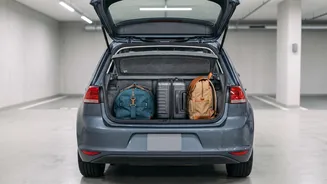
The golden rule of packing a car is to place the heaviest items at the bottom and as far forward (against the back of the rear seats) as possible. This includes large, rigid suitcases, cooler boxes, or any other dense cargo. This technique creates a stable base for stacking lighter items and, more importantly, keeps the car's centre of gravity low, which improves handling and safety on the road. An improperly weighted car can negatively affect steering and increase braking distances. A heavy object can become a dangerous projectile in a sudden stop, so securing this base layer is critical for safety.
Embrace Flexible, Soft Luggage
While hard-shell suitcases are great for air travel, they are often space-efficient in a car boot. Their rigid shapes create awkward, unusable gaps. For weekend trips, opt for soft duffel bags, holdalls, and backpacks. These flexible containers can be squeezed into the odd corners and gaps left by larger items, allowing you to utilise every inch of available space. They conform to the shape of the boot and the items around them, maximising your packing density.
Master the Art of 'Filling the Gaps'
Once your main bags are in place, your next mission is to eliminate empty space. This is where you use smaller, softer items to your advantage. Think of it like a real-life game of Tetris. Use rolled-up jackets, blankets, towels, or even shoes to plug the gaps between your larger bags. This not only maximises your storage but also serves a dual purpose: it prevents your luggage from shifting and sliding around while you drive, making the journey quieter and safer.
Pack in Reverse: Last In, First Out
Think about the order in which you'll need your things. The bags and items you won't need until you reach your destination should go in first. Anything you might need mid-journey—like snacks, a rain jacket, or a first-aid kit—should be packed last so it is easily accessible. This prevents you from having to pull over and unpack half the boot to find one small item. Creating an 'essentials' bag that stays in the cabin with you is also a great strategy for keeping drinks, chargers, and entertainment within easy reach.
Secure and Stabilise Your Load
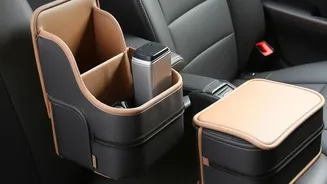
A well-stacked boot is a secure one. If your luggage is piled high, especially in a hatchback or SUV, it's wise to use straps or a cargo net to keep everything in place. Many cars have built-in anchor points for this purpose. Securing your load prevents a potential 'luggage avalanche' during a sudden brake or sharp turn. For added organisation and stability, consider using boot organisers or storage bins to compartmentalise your items and stop them from sliding around.