




The Enduring Appeal of Aerobics
Aerobics is a classic form of cardiovascular exercise involving rhythmic movements of large muscle groups. From high-energy dance classes and step aerobics to lower-impact water aerobics, its defining feature is sustained movement that elevates your heart
rate. This strengthens the heart muscle, improves circulation, and can aid in lowering blood pressure and improving cholesterol levels over time. The variety within aerobics is a major drawcard; you can find a class or an online video to match nearly any interest or intensity level, often requiring little to no equipment to get started. It's a structured and proven method for boosting cardiovascular health.
Trampolining: A Low-Impact Powerhouse
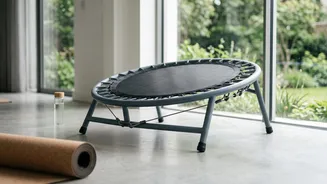
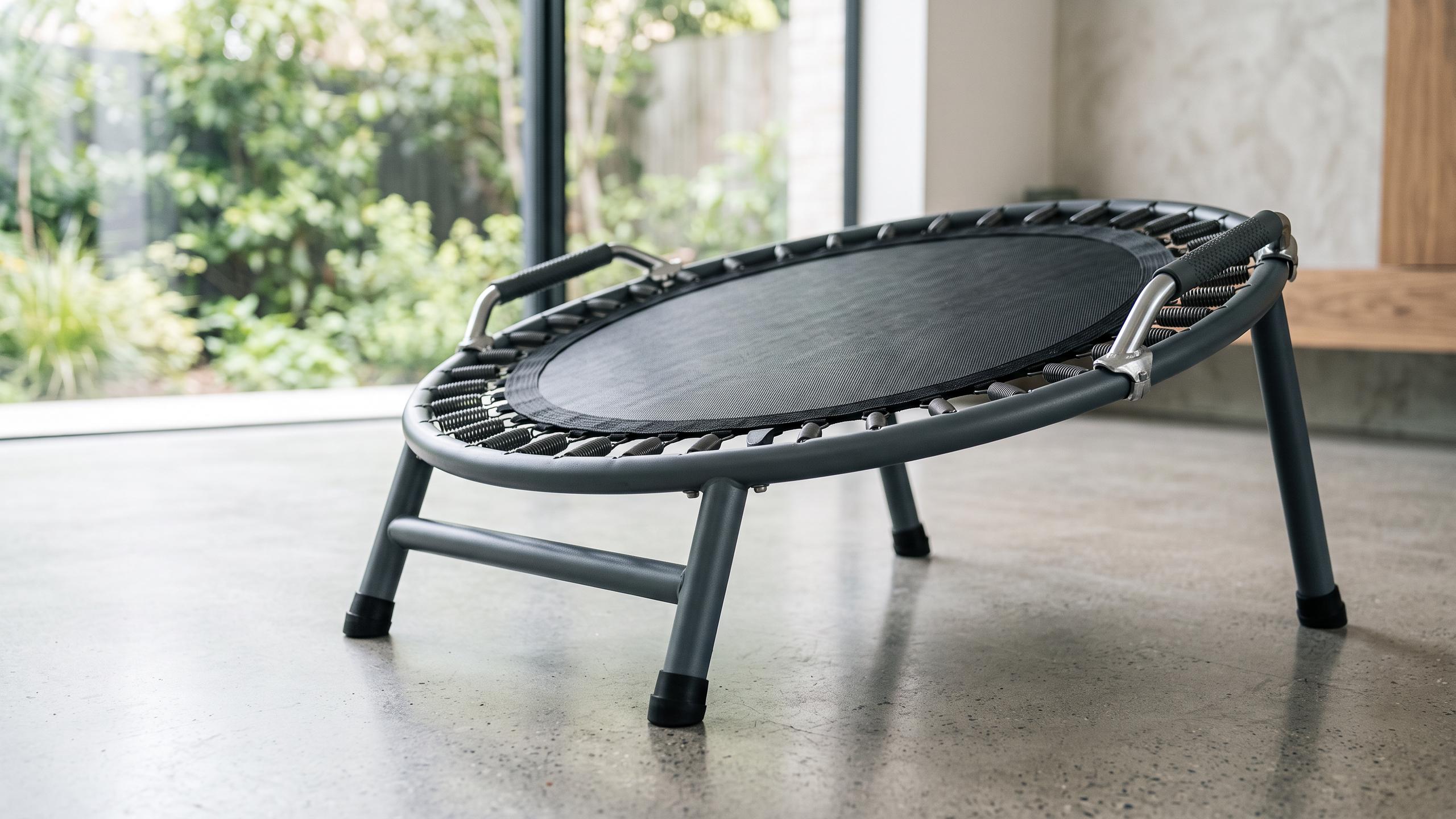
Trampolining, or rebounding on a mini-trampoline, is a fun and dynamic workout that offers serious benefits. The magic is in the bounce. The elastic surface of the trampoline absorbs a significant amount of the force from each jump, making it a low-impact exercise that is much gentler on the joints—ankles, knees, and hips—than running or other high-impact activities. Studies show that rebounding can reduce joint impact by up to 80% compared to running on a hard surface. This makes it an excellent choice for individuals with joint sensitivities, those recovering from injuries, or anyone looking for a sustainable cardio option.
Calorie Burn and Intensity
Both workouts are effective at burning calories, but they do so differently. Aerobics often involves longer periods of sustained movement, which contributes to a significant calorie burn over the course of a session. Trampolining, on the other hand, can feel less strenuous but is surprisingly efficient. An American Council on Exercise (ACE) study found that men burned an average of 12.4 calories per minute and women 9.4 calories per minute while rebounding, comparable to running at about 9.6 km/h on flat ground. Some studies even suggest that trampolining can be more efficient than running, with one finding it twice as effective at improving aerobic fitness. Ultimately, the number of calories you burn depends on your weight and the intensity of your workout in either activity.
Muscle Engagement and Other Benefits
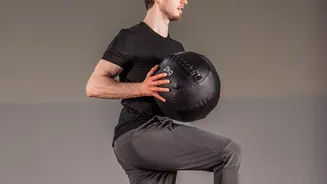
While traditional aerobics primarily targets large muscle groups, trampolining offers a unique full-body workout. The unstable surface forces you to constantly engage your core, back, and deep stabilizing muscles just to maintain balance. Some research suggests rebounding activates over 400 muscles in a single session. Beyond muscle toning, trampolining is celebrated for stimulating the lymphatic system, which helps the body flush out toxins and waste products. Bouncing can increase lymphatic flow by 15 to 30 times compared to when at rest, potentially reducing inflammation and water retention.
Choosing What’s Right for You
Your choice depends on your personal fitness goals, physical needs, and what you genuinely enjoy. Aerobics might be for you if you enjoy structured classes, dance-based movements, and want a wide variety of high-intensity options that require minimal initial investment. It’s a reliable and accessible form of exercise. Trampolining is the ideal choice if you have joint pain, are looking for a low-impact but effective cardio workout, or want to improve your balance and core strength. Its high fun factor also makes it a workout that many people find easier to stick with long-term. Beginners might find the gentle nature of rebounding a great entry point into regular exercise.