






What Is a Slow Adventure?
Forget frantic airport dashes and itineraries packed with back-to-back sightseeing. The 'slow adventure' is its exact opposite. It’s the conscious choice to travel at a human pace, prioritising the experience of the journey over the efficiency of reaching
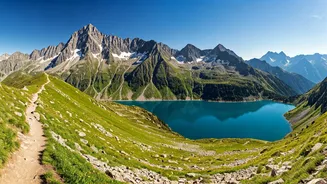
a destination. Think multi-day treks through the Himalayas, where the goal is not just the summit but the rhythm of walking and the conversations along the path. Picture yourself navigating the serene backwaters of Kerala on a houseboat for a week, or taking a scenic train journey that meanders through mountains and valleys over several days, rather than a two-hour flight. At its heart, slow travel is about immersion. It's about trading a checklist of places to see for a genuine connection with a single place, its people, and its culture. It’s choosing the walking trail over the highway, the local train over the express, and the long conversation with a shopkeeper over a quick photo op.
The Pushback Against 'Productivity'
So, why is this deliberate deceleration gaining so much traction now? The answer lies in a widespread cultural burnout. For years, we’ve been conditioned to optimise everything, including our leisure time. Holidays became another project to be managed, with every hour scheduled for maximum 'fun' and Instagrammable moments. The result was often returning from a break feeling more exhausted than when we left. The slow travel trend is a direct rebellion against this mindset. It's a response to digital fatigue—the incessant pings, notifications, and the pressure to be 'always on.' Taking a slow adventure is an act of reclaiming our time and attention. It’s an opportunity to unplug from the digital world and plug into the real one. After years of being confined and connected to screens, there is a deep, collective craving for tangible experiences, fresh air, and the mental clarity that comes from putting one foot in front of the other without a deadline.
Finding India at a Slower Pace
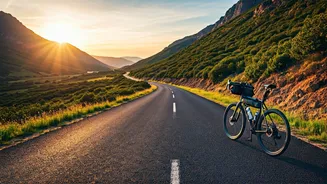
India, with its vast and varied landscapes, is uniquely suited for the slow adventure. The trend is manifesting in beautiful ways across the country. Treks like the Valley of Flowers in Uttarakhand or the Chadar Trek in Ladakh have moved from niche activities to mainstream aspirations. But it’s not just about challenging mountain expeditions. People are discovering the quiet joy of walking holidays through the coffee plantations of Coorg, cycling tours across the coastal roads of Goa, or spending weeks at a homestay in a remote village in Himachal Pradesh, learning local crafts and cuisines. Even urban exploration is getting a slow makeover. Heritage walks in cities like Old Delhi, Jaipur, and Kolkata are booming, inviting people to uncover history and culture that is easily missed from a moving car. This approach allows travellers to see beyond the tourist facade and engage with the country on a much more intimate level.
More Than a Holiday, It’s a Mindset
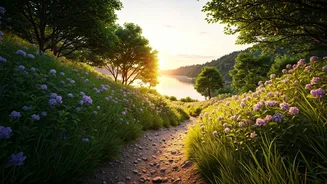
The benefits of this unhurried approach extend far beyond a good vacation. Psychologists and wellness experts note that slow travel promotes mindfulness—the practice of being fully present in the moment. When you’re walking for hours, your mind quiets down, and you start to notice the small details: the sound of the wind, the scent of pine needles, the changing light. This can significantly reduce stress and anxiety. Furthermore, it fosters a more sustainable and responsible form of tourism. Slow travellers tend to stay in one place longer, invest more in the local economy through homestays and small businesses, and have a lower carbon footprint compared to those hopping between multiple destinations by air. It encourages a relationship with a place built on respect and curiosity rather than consumption.