




A Day Governed by the Clock
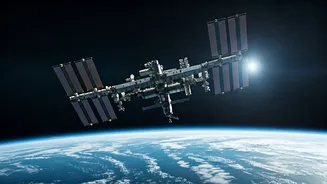
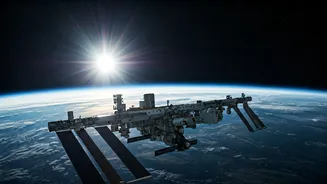
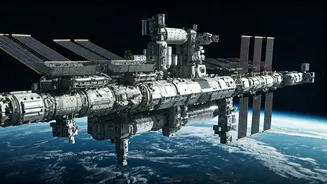
Aboard the ISS, the concept of a day is abstract. Astronauts witness 16 sunrises and sunsets every 24 hours as they orbit Earth at 17,500 miles per hour. To anchor themselves, the crew operates on a 24-hour cycle based on Coordinated Universal Time (UTC),
the same time zone as Greenwich, England. This schedule isn't just for convenience; it's essential for maintaining the crew's natural circadian rhythms. Their day begins with an alarm, followed by hygiene, breakfast, and a daily planning conference with Mission Control to sync up on the day's tasks. This highly structured environment ensures that despite the disorienting reality of space, a sense of normalcy and order prevails, which is critical for long-duration missions where stress can easily build.
The Heart of the Mission: Science
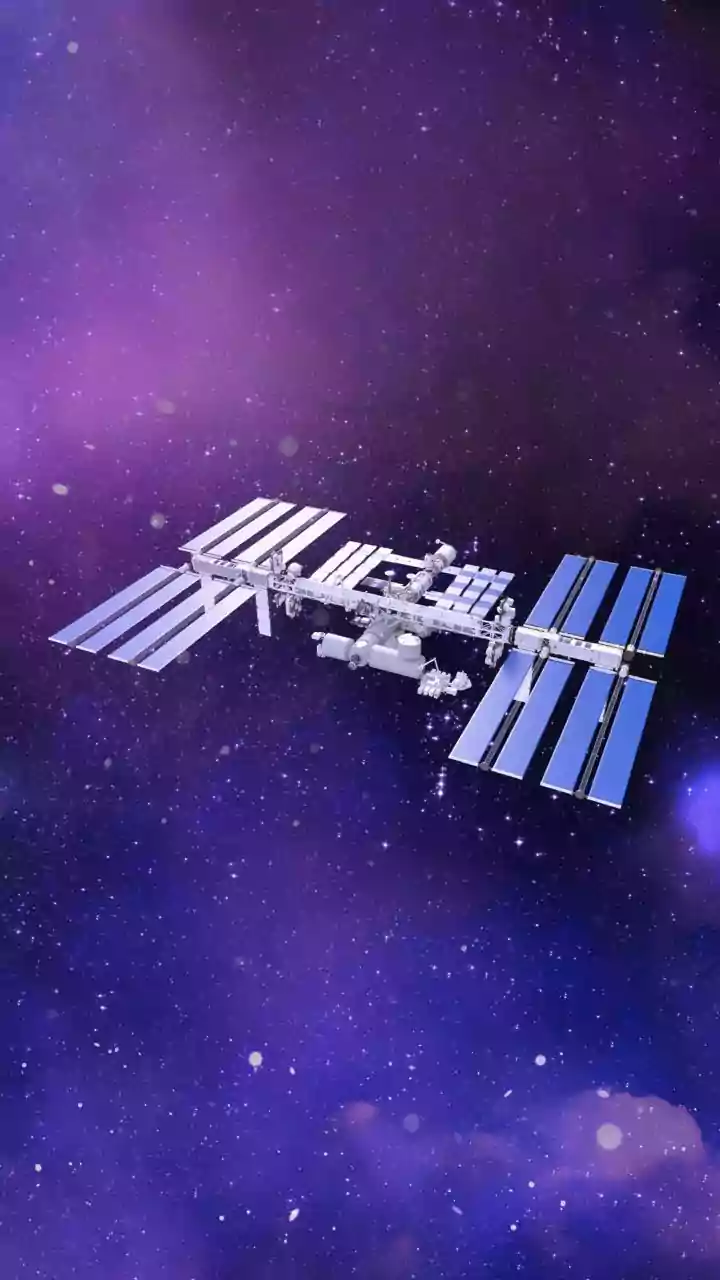
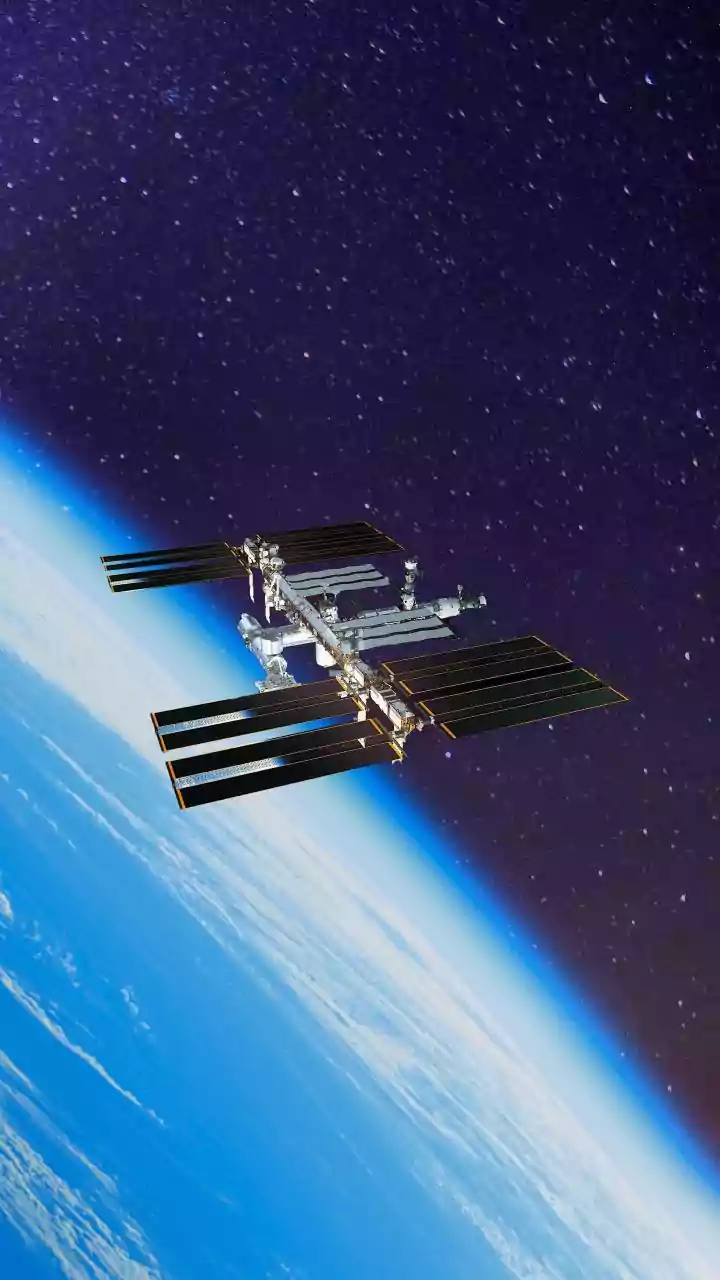
The primary purpose of the ISS is to serve as a unique orbiting laboratory. After their morning conference, astronauts dedicate about 6.5 hours to conducting a wide array of experiments they can't do on Earth. Research spans disciplines like life sciences, materials science, biotechnology, and fundamental physics. In the microgravity environment, scientists can study the progression of diseases like Alzheimer's and cancer, and develop purer protein crystals for new drugs. They also investigate how space affects the human body, turning themselves into living experiments to help us understand and mitigate the effects of aging and disease back on Earth. This work has led to tangible benefits, from improved water purification systems to breakthroughs in drug development.
A Workout Like No Other
Perhaps the most critical part of an astronaut's daily routine is their mandatory two to two-and-a-half hours of exercise. In the weightlessness of space, muscles and bones don't have to work against gravity, leading to rapid deterioration. To combat this, the ISS is equipped with a special gym. Astronauts use a treadmill (T2), where they are strapped down with harnesses to simulate running. They also use a stationary cycle (CEVIS) and the Advanced Resistive Exercise Device (ARED), which uses vacuum cylinders to mimic weightlifting. This rigorous fitness regimen is essential for maintaining their physical health, ensuring they can withstand the return to Earth's gravity and carry out their duties, which can be physically demanding even in a weightless environment.
Housekeeping in Orbit
Life on the ISS isn't all groundbreaking science and stunning views. Much like on Earth, a significant portion of the crew's time is dedicated to housekeeping and maintenance. They are responsible for cleaning, checking equipment, and performing routine repairs to keep the station in top shape. This can involve anything from monitoring the life support systems that recycle air and water to fixing a faulty component. Even simple tasks become complex in microgravity, where any loose object can float away and become a hazard. This constant upkeep is vital for the safety and success of the mission, proving that even in the most advanced habitat ever built, the daily chores are inescapable.
The All-Important Human Element
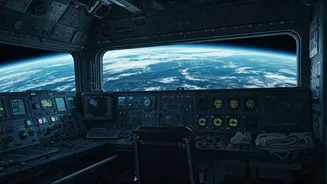
NASA learned from early missions like Skylab that packing an astronaut's schedule without breaks is counterproductive. Today, the ISS routine intentionally includes personal time. After their workday and evening planning conference, astronauts have free time before their scheduled eight hours of sleep. Many describe their favorite pastime as simply looking out of the Cupola, a seven-windowed module offering panoramic views of Earth. They also read books, watch movies, listen to music, and communicate with their families back home. This downtime is not a luxury; it's a critical component for managing the psychological stress of living in a confined, isolated environment for months on end. It's in these quiet moments of reflection and connection that the profound, human side of space travel truly shines.