


What Makes a Planet 'Superhabitable'?
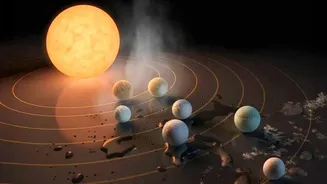
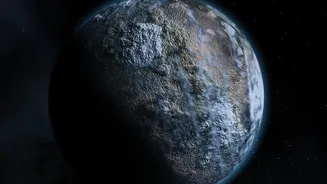
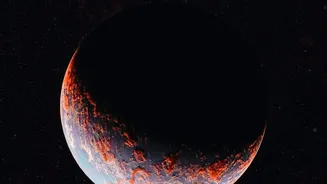
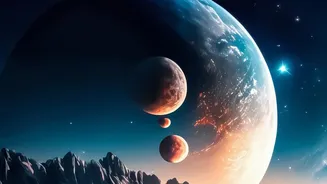
The term 'superhabitable' doesn't just mean a planet is like Earth; it suggests a world with conditions potentially even better for life to emerge and thrive. First proposed in 2014, the concept challenges our Earth-centric view. These hypothetical worlds
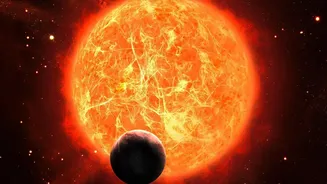
might be a bit larger and warmer than Earth, and orbit a K-type star (an orange dwarf), which is more stable and has a longer lifespan than our Sun, a G-type star. This extra time could give life a greater chance to develop and evolve. In 2020, astronomers identified 24 potential superhabitable candidates out of thousands of known exoplanets, sparking a new direction in the search for life.
The Allure of the Water World
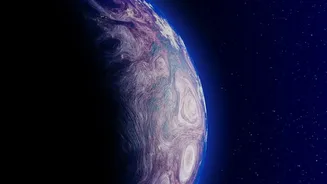
Given that water is essential for life, planets completely covered by a deep, global ocean—often called 'water worlds' or 'Hycean planets'—seem like prime candidates. The presence of liquid water oceans is now predicted on numerous moons in our own solar system, making them top targets for astrobiology missions. Scientists once thought these worlds, like the candidate K2-18b, could be ideal cradles for life, offering a stable aquatic environment where organisms could flourish. Some studies even suggest these ocean worlds could remain habitable for over a billion years, challenging the idea that you need an Earth-clone to get life started.
The Problem with Too Much Water
However, a growing body of research suggests that a planet can indeed have too much water. The primary issue lies in geochemistry. On Earth, a critical process called the carbonate-silicate cycle acts like a planetary thermostat. Volcanoes release carbon dioxide into the atmosphere, warming the planet. This CO2 then dissolves in rainwater, forming carbonic acid, which erodes rocks on land. The byproducts wash into the oceans, eventually forming carbonate rocks on the seafloor. This locks away carbon, cooling the planet. This cycle has kept Earth's climate relatively stable for eons. On a deep water world, this crucial land-based weathering process can't happen.
No Land, No Nutrients, No Life?
Without exposed continents, the vital link between the planet's mantle, atmosphere, and ocean is severed. On a planet with an ocean hundreds of kilometres deep, immense pressure at the bottom can form a layer of exotic 'hot ice' that separates the water from the rocky seafloor. This barrier prevents the cycling of minerals and nutrients, like phosphorus, which are essential for life. On Earth, runoff from land delivers a constant supply of these vital elements into the oceans, feeding the base of the food web. Without this, a water world could be a vast, sterile desert, unable to support a rich, complex biosphere. Life needs more than just water; it needs a diverse and dynamic chemical environment.
The Sweet Spot: A Land and Water Mix
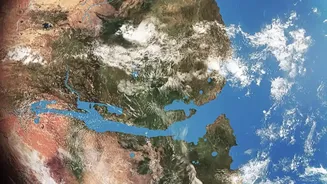
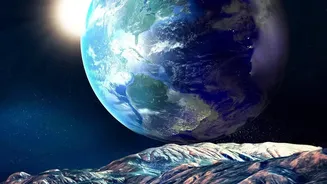
This all points to a new conclusion: the ideal habitable planet might need a balance of land and water, much like Earth. The interfaces between land, sea, and air are incredibly dynamic zones of chemical activity, possibly crucial for the origin of life itself. Shallow seas and coastal areas provide the perfect environment for complex chemistry and protect against harsh radiation while still receiving energy from the parent star. A healthy mix of continents and oceans allows for critical geochemical cycles that regulate climate and a steady supply of nutrients needed for life to evolve from simple microbes into a complex ecosystem. Instead of looking for water worlds, perhaps we should be looking for 'land-water' worlds.