








The Power of Standing Still
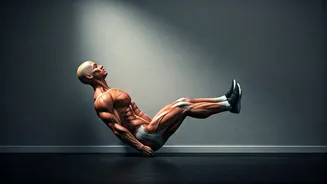
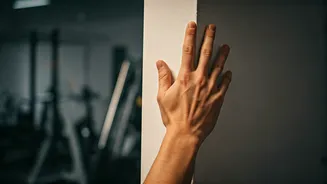
Before you jump into the exercises, it’s helpful to understand what makes them so effective. These are a form of isometric exercise, which involves contracting your muscles without actually moving your joints. Think of pushing against an immovable object—in
this case, a wall. Instead of lifting and lowering a weight, you are holding a static position under tension. This simple act engages muscle fibres, builds endurance, and improves stability. The beauty of isometrics is their low-impact nature, making them accessible for various fitness levels and a safe way to activate muscles without stressing your joints. They are the perfect tool to gently wake your body up and remind it what it feels like to work.
1. The Foundational Wall Sit
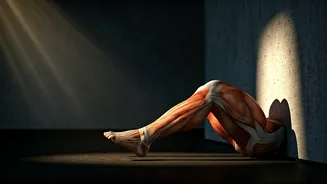
This is the king of isometric leg exercises. It looks simple, but it’s a formidable challenge that targets your quadriceps, glutes, and hamstrings. **How to do it:** Stand with your back flat against a wall. Walk your feet out about two feet in front of you, keeping them shoulder-width apart. Slowly slide your back down the wall until your thighs are parallel to the floor, as if you’re sitting in an invisible chair. Ensure your knees are directly above your ankles, forming a 90-degree angle. Keep your back straight and your core engaged. Hold this position for 30 to 60 seconds. Breathe steadily throughout. **Why it works:** The wall sit builds incredible muscular endurance in your lower body. Because it’s static, it allows you to focus on form and stability, which is crucial for preventing injuries in more dynamic exercises like squats and lunges.
2. The Deceptive Wall Push-Up
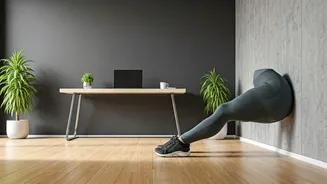
A fantastic entry point to upper body strength, the wall push-up targets your chest, shoulders, and triceps with less strain than a traditional floor push-up. It's an excellent way to build foundational strength and improve posture. **How to do it:** Stand facing a wall, about arm's length away. Place your palms flat on the wall at shoulder height and slightly wider than your shoulders. Keeping your body in a straight line from your head to your heels (don’t let your hips sag), slowly bend your elbows and lower your chest toward the wall. Pause for a second, then push back to the starting position. For the isometric challenge, hold the 'down' position—with your elbows bent and chest close to the wall—for 30 to 60 seconds. **Why it works:** This variation allows you to control the intensity by moving your feet closer or further from the wall. Holding the position isometrically builds stability in the shoulder girdle and strengthens your core as it works to keep your body aligned.
3. The Core-Activating Wall Plank
The plank is famous for its core-strengthening benefits, but the floor version can be intimidating. The wall plank offers a more accessible alternative that still fires up your abdominal muscles and improves your overall stability. **How to do it:** Face a wall and place your forearms on it, with your elbows directly under your shoulders. Step your feet back until your body forms a straight, diagonal line. Engage your core by pulling your belly button towards your spine and squeezing your glutes. Your body weight should be pressing into your forearms. Avoid arching your back or letting your hips drop. Hold this static position for 30 to 60 seconds, focusing on deep, controlled breaths. **Why it works:** The wall plank is a brilliant way to teach your body proper core engagement. It strengthens the transverse abdominis—the deep abdominal muscle that acts like a corset for your midsection—which is essential for a stable spine and good posture in all your daily activities.
From One Minute to a Routine
The goal here isn't to replace your entire fitness plan with wall exercises. It's to use them as a powerful tool to overcome inertia. The one-minute barrier is mental. Anyone can do something for 60 seconds. Start by picking one challenge and doing it once a day. Try it while your coffee brews, during a commercial break, or while waiting for a file to download. Once you've done it, you’ve achieved a small win. That small win can be the spark you need to do another minute, go for a walk, or tackle a full workout. The feeling of accomplishment, however small, is the best antidote to lethargy.