
The Grand Vision on Water
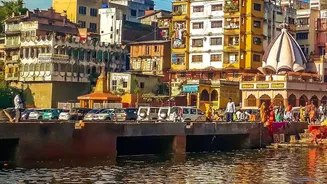
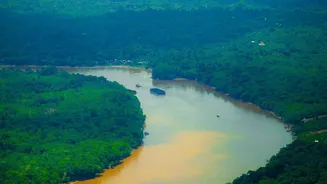
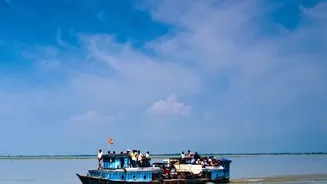
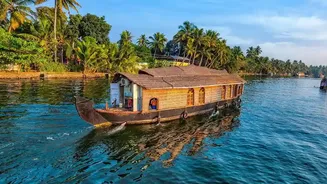
India is undertaking a monumental effort to harness its 14,500 km of navigable waterways. Under initiatives like the Sagarmala Programme and the National Waterways Act of 2016, the government has been expanding its network of operational National Waterways (NWs).
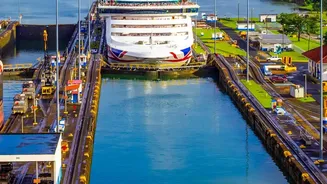
As of early 2026, over 30 NWs are operational, with plans to activate more in the coming years. The goal is to create an integrated, multimodal transport system where rivers, roads, and railways work in concert. This ambitious plan aims to shift a significant portion of cargo, especially bulk goods like coal, cement, and food grains, from congested roads and railways onto the water.
Why Waterways Are a Game-Changer
The push for inland water transport (IWT) is driven by compelling economic and environmental benefits. Transporting goods by water is significantly cheaper than by road or rail. Estimates show that one litre of fuel can move around 105 tonne-kilometres by waterway, compared to just 24 by road. This efficiency translates into massive cost savings, potentially reducing logistics expenditure by a significant margin for certain types of cargo. India’s logistics costs, which are high at around 13-14% of GDP, could see a substantial reduction. Furthermore, IWT is a greener alternative, producing lower carbon emissions and helping to decongest India's overburdened highways.
The Bottleneck on Land
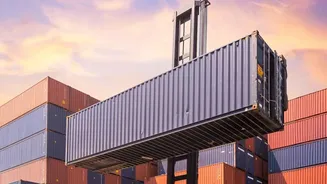
Despite the clear advantages of water transport, a critical challenge threatens to undermine the entire initiative: last-mile connectivity. It's a classic case of the chain being only as strong as its weakest link. A company might save time and money shipping a container from Haldia to a terminal in Varanasi on National Waterway 1. However, if that container then gets stuck for days trying to travel the final 20 kilometres to a factory due to poor roads or a lack of trucks, the initial benefits are completely erased. This final leg of the journey, from the river terminal to the end destination, is proving to be a major bottleneck.
Defining the Last-Mile Problem
The challenges in last-mile connectivity are multifaceted. Many of the newly developed jetties and terminals are located in areas with inadequate supporting infrastructure. This includes poorly maintained approach roads that cannot handle heavy truck traffic, a shortage of modern warehousing facilities near the terminals, and an insufficient fleet of vehicles to move goods efficiently from the riverbank. There is also a lack of intermodal integration, where transfers between river, rail, and road are not seamless. Without efficient rail sidings and smooth road connections at the terminals, the cost advantage of water transport is quickly lost in the final delivery phase.
Forging the Final Link
Addressing the last-mile challenge requires a holistic approach. The government has acknowledged this gap, with initiatives like the PM Gati Shakti National Master Plan aiming for better integration. The focus is on developing multi-modal logistics parks that seamlessly connect different transport modes. Solutions involve not just paving more roads, but also encouraging private sector investment in warehousing, trucking, and digital platforms that can manage the entire logistics chain. Ensuring that land acquisition for terminals and supporting infrastructure is streamlined is also critical to avoid delays. Ultimately, success depends on treating last-mile connectivity not as an afterthought, but as an integral component of the waterways project from the very beginning.