




Why Old Trunks Feel So New
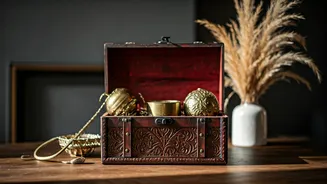
In a world of mass-produced furniture, there's a growing desire for pieces with soul. Vintage wooden trunks, often called sandooks or petis in many Indian households, are steeped in history. They have travelled, protected heirlooms, and witnessed generations.
Bringing one into a modern home introduces a layer of character and narrative that flat-pack furniture simply cannot replicate. This trend beautifully merges sustainability with style. By upcycling, you’re not only diverting a beautiful object from the landfill but also creating a one-of-a-kind statement piece that tells a story. It’s the perfect antidote to generic interiors, adding warmth, texture, and a touch of nostalgia to even the most minimalist spaces.
Finding the Right Trunk
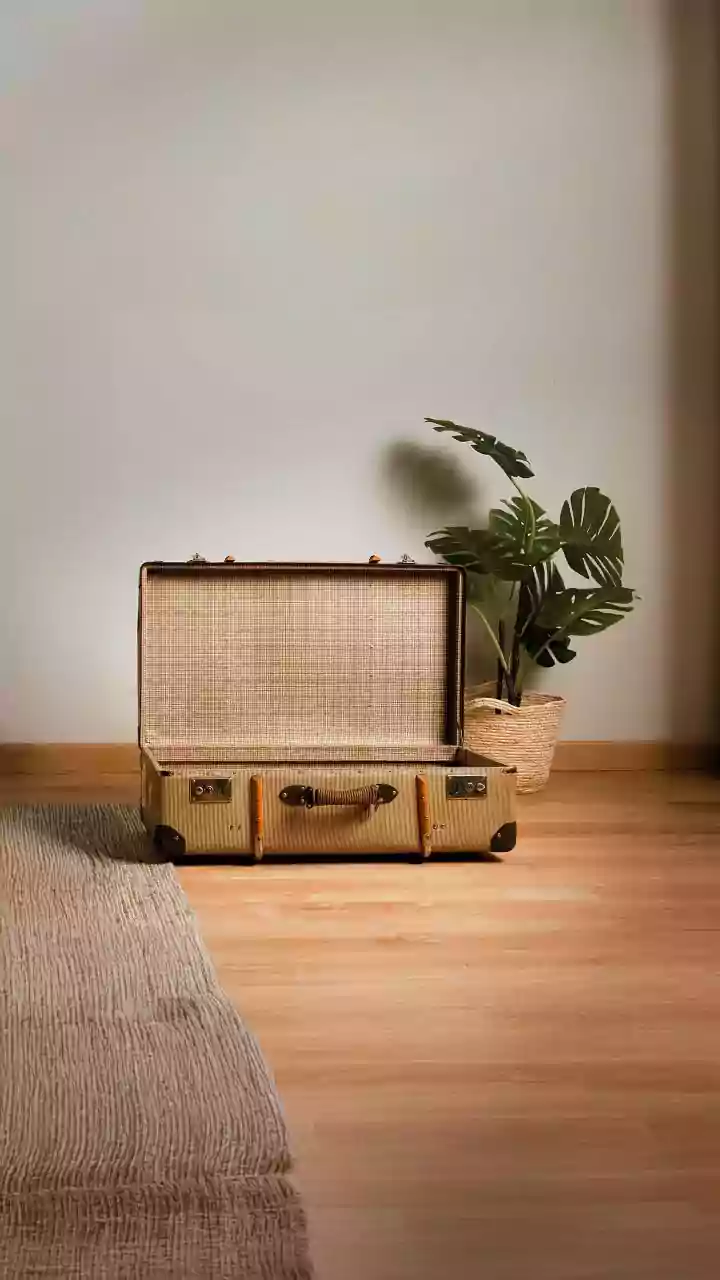
The hunt is part of the fun. Look for trunks in local antique shops, flea markets (like Chor Bazaar in Mumbai or Delhi's Sunday book market area), or online marketplaces. When you find a potential candidate, assess its 'bones'. Solid wood like teak, rosewood, or mango is ideal for durability. Don't be deterred by surface-level wear and tear; scratches, scuffs, and a bit of rust on the hardware add to the authenticity. However, be wary of major structural damage like wood rot, severe water damage, or pest infestations, as these can be difficult and costly to repair. Check the hinges and latches—are they functional or easily replaceable? Finally, consider the size. A large, flat-topped trunk makes an excellent coffee table, while a smaller one could be a perfect side table or nightstand.
The Minimalist Transformation
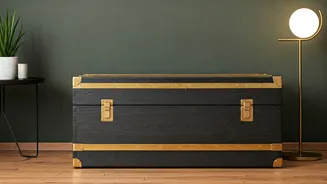
The goal is not to erase the trunk's history but to highlight its best features within a minimalist framework. Start with a thorough cleaning using a gentle wood soap and water. If the interior smells musty, leaving it open in the sun for a day or placing a bowl of baking soda inside can work wonders. Next, decide on the finish. For a truly minimalist look, you might sand the trunk down to its raw wood and seal it with a clear matte varnish. This celebrates the natural grain and texture. Alternatively, a coat of chalk paint in a neutral colour like charcoal grey, deep navy, or classic white can create a chic, modern aesthetic while still allowing the trunk's silhouette and hardware to shine. Consider replacing or polishing the metal hardware to add a crisp finishing touch.
Styling Your Accent Piece
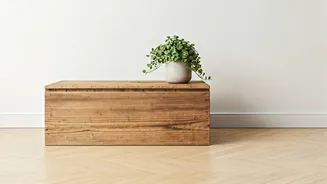
Once your trunk is ready, its function is limited only by your imagination. As a coffee table in the living room, it becomes an instant focal point. Keep the styling simple: a tray with a couple of books, a small plant, and a candle is all you need. The trunk itself provides the visual interest. Placed at the foot of a bed, it offers stylish storage for extra blankets and linens. In an entryway, it can serve as a bench for putting on shoes (if sturdy enough) and a drop-zone for keys and mail. To maintain the minimalist vibe, resist the urge to clutter its surface. Let the piece breathe and allow its unique form and history to command attention.
Care and Long-Term Maintenance
Your reborn trunk is a piece of history, so treat it with care. Avoid placing it in direct sunlight for prolonged periods, as this can cause the wood to fade or warp. Use coasters to protect the surface from drink rings. Dust it regularly with a soft, dry cloth. For a deeper clean, use a wood-friendly polish or cleaner. Periodically check the hardware to ensure it remains secure. With a little bit of maintenance, your vintage trunk will continue to be a cherished and functional part of your home for many more years, evolving from a piece of forgotten luggage to a central part of your daily life.