




India's Heavy Reliance on Imports
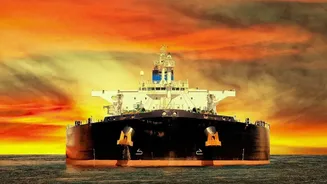
The story begins with a simple fact: India is a massive consumer of energy but produces very little crude oil of its own. The country imports over 88% of its crude oil requirements, making its economy highly vulnerable to fluctuations in global prices.
When geopolitical tensions rise in major oil-producing regions like the Middle East, or when oil-producing nations decide to cut supply, the price of a barrel of crude oil shoots up. Because India buys this oil in US dollars, a weakening rupee can also make these imports more expensive, even if the oil price itself doesn't change. This combination of factors sets the first stage for higher costs back home.
From Crude to the Pump: A Price Breakdown
Once crude oil is purchased, it is shipped to Indian refineries and processed into petrol and diesel. The price you pay at the pump is far more than just this base cost. It's a combination of four key elements: the base price (cost of crude, refining, and margins for oil marketing companies or OMCs), a fixed Central Excise Duty, a variable state-level Value Added Tax (VAT), and the dealer's commission. The taxes are the most significant addition, often making up around half of the final retail price. Since the Central Excise Duty is a fixed amount per litre, while state VAT is a percentage, the final cost can vary significantly from one state to another.
The Daily Price Revision
Since 2014, petrol and diesel prices in India have been deregulated, meaning the government does not set the price directly. Instead, state-owned OMCs like Indian Oil, BPCL, and HPCL adjust the prices daily at 6 a.m. This revision is meant to align domestic rates with the previous day's international crude oil prices and the USD-INR exchange rate. While this system is designed to pass on both price hikes and cuts to the consumer, prices have largely remained elevated recently. For much of September 2026, global Brent crude has stayed above $100 per barrel, keeping pressure on domestic fuel costs.
The Ripple Effect: Your Sabzi Bill and Beyond
The impact of high fuel prices extends far beyond your own vehicle. Diesel is the lifeblood of India's logistics network, powering the trucks that transport everything from fresh produce and milk to factory goods and e-commerce packages. Fuel can account for over 40% of the operating cost for road transport. When diesel prices rise, freight costs increase. Transporters pass this extra cost on to their clients, who in turn pass it on to retailers, and finally, to you, the consumer. This is why a spike in fuel prices often leads to higher prices for vegetables, fruits, FMCG products, and almost everything else. It creates a broad, economy-wide inflationary pressure.
The Macroeconomic Squeeze
On a larger scale, expensive oil acts like a tax on the entire economy. It widens India's Current Account Deficit (the difference between imports and exports) because the national import bill gets much bigger. According to estimates from the RBI and other experts, a sustained $10 increase in the price per barrel of oil can push headline inflation higher by a significant margin and slow down GDP growth. This puts pressure on the Reserve Bank of India to raise interest rates to control inflation, which can make loans more expensive for everyone. It’s a challenging trade-off for policymakers, who must balance the finances of the government, oil companies, and households.