



The Junkyard Above Our Heads
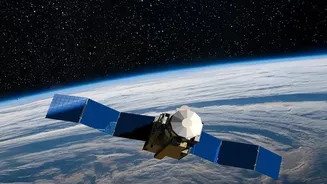
Imagine a world without weather forecasts, GPS navigation, or seamless online banking. This is the reality we would face if our satellite infrastructure were compromised. Right now, this critical network is under constant threat from space debris. Over
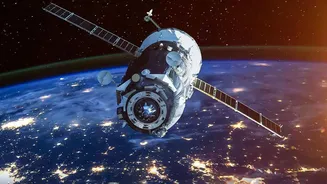
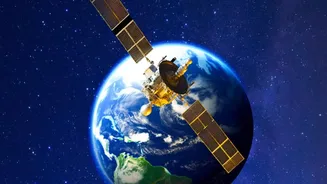
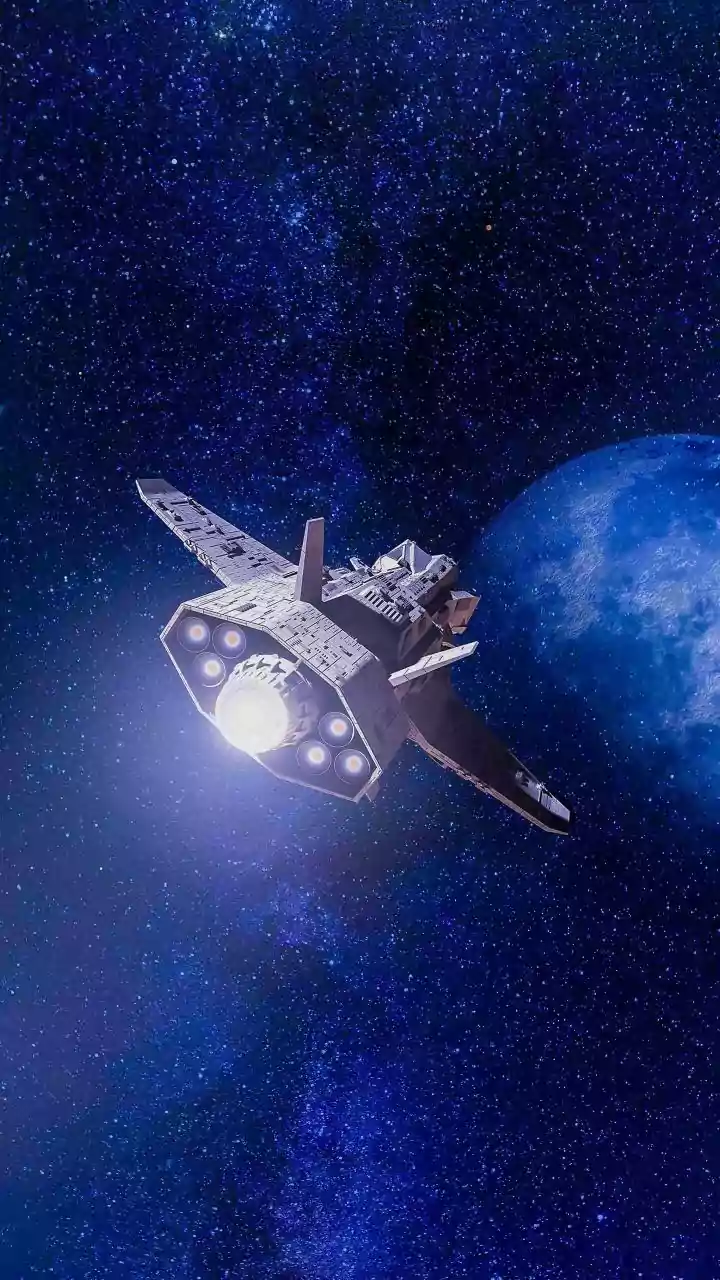
1.2 million pieces of junk larger than a centimetre, from defunct satellites to spent rocket stages and fragments from past collisions, are hurtling around our planet at speeds of up to 28,000 kilometres per hour. At that velocity, an object as small as a paint chip can inflict catastrophic damage on an operational satellite, potentially triggering a chain reaction of collisions known as the Kessler Syndrome. In 2025 alone, Indian satellites faced over 150,000 close-approach alerts, forcing the Indian Space Research Organisation (ISRO) to perform dozens of collision avoidance manoeuvres to steer its assets clear of danger. The problem is only getting worse as more satellites are launched, making the task of monitoring and avoidance increasingly complex.
India's Watchful Eye in the Sky
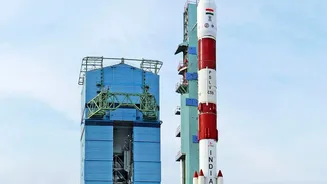
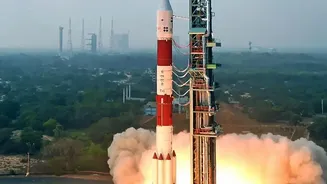
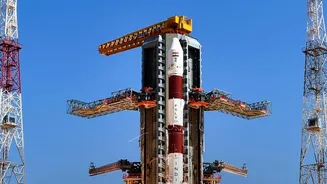
For years, India has been bolstering its ability to monitor this orbital chaos. ISRO's Project NETRA (Network for Space Object Tracking and Analysis) is the country's flagship initiative for Space Situational Awareness (SSA). This system uses a network of ground-based radars and telescopes to track debris and predict potential collisions. The Multi-Object Tracking Radar (MOTR) at Sriharikota is already operational, keeping an eye on objects in Low Earth Orbit (LEO), where 20 of India's 22 active satellites operate. However, human-led systems are struggling to keep up. The sheer volume of data is immense, and the window to react to a potential collision is shrinking. Human analysts can be overwhelmed, slowing down decision-making and making it difficult to coordinate with satellite operators around the world.
The AI Revolution Arrives
This is where the new breakthrough comes in. In collaboration with academic institutions like IIIT-Delhi and private startups, ISRO is pioneering the use of artificial intelligence to automate and enhance its collision avoidance systems. Rather than just tracking objects, these AI-powered platforms can analyse vast datasets, learn patterns, predict dangers faster, and even suggest optimal manoeuvres with minimal human intervention. Unlike older methods that relied on established statistical models, the new AI systems can automate the entire process, from managing sensors to detecting threats. This is a crucial step up from simply using AI for isolated tasks like object detection. The goal is to create an intelligent, adaptive system that acts like an automated air traffic controller for space.
How It Works and Who's Building It
Several key players are driving this innovation. ISRO itself has developed machine learning algorithms for its radars to better identify targets. Simultaneously, a collaboration with IIIT-Delhi under the AI for Space Initiative is building an ambitious SSA platform that learns from orbital data in real time. Indian space-tech startups are also at the forefront. Digantara, for instance, has developed AI-based software to detect patterns and assess risks, with the long-term vision of creating autonomous satellites that can communicate with each other to avoid collisions. Other companies like Manastu Space are also contributing with technologies focused on space safety. This multi-pronged approach, combining the strength of the national space agency with the agility of startups and the research power of academia, is crucial for building a robust and reliable system.
What This Means for India's Future in Space
This AI-driven breakthrough is more than just a technical upgrade; it is a strategic imperative. For India, a nation with rapidly growing space ambitions—from the Gaganyaan human spaceflight mission to a suite of military and civilian satellites—protecting these multi-crore assets is paramount. An effective, automated collision avoidance system ensures the longevity and reliability of services that millions of Indians depend on, from national security surveillance to the Digital India infrastructure. By developing this capability indigenously, India reduces its reliance on foreign tracking data and positions itself as a leader in responsible space operations. As Lt Gen A K Bhatt (retd), Director General of the Indian Space Association (ISpA), noted, trustworthy AI is now a safety imperative, not just a nice-to-have feature in an increasingly congested orbit.