







Understanding Your Biological Age
We all have two ages: a chronological age, which is the number of candles on your birthday cake, and a biological age. Your biological age is a more accurate measure of how well your body is aging on a cellular level. It reflects the wear and tear your cells,
tissues, and organs have experienced due to genetics, lifestyle, and environment. Unlike your chronological age, which only goes up, your biological age can potentially be lowered. Scientists can estimate this age by looking at markers in your blood, such as patterns of DNA methylation, which are chemical tags on your DNA that change as you get older. Think of it as the difference between a well-maintained vintage car and one left out in the elements; they may be the same model year, but their internal condition is vastly different.
The Yoghurt-Plus-Walking Study
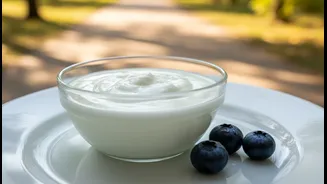
A recent Japanese study published in the journal Aging investigated whether a simple, combined lifestyle change could impact the pace of aging. Researchers recruited 48 overweight men between the ages of 50 and 74 and split them into two groups for a 12-week trial. The intervention group was given a straightforward program: consume 100 grams of plain, probiotic yoghurt daily, receive counseling to reduce overeating and sugary drinks, and walk or use a stepper for at least 30 minutes, three or more times a week. The control group simply maintained their usual habits. The probiotic yoghurt contained a specific strain, Bifidobacterium longum BB536, known for its potential health benefits.
The Surprising Results
After 12 weeks, the results were modest but significant. The group that followed the yoghurt, walking, and diet plan showed a 2.2% slowing in their pace of biological aging compared to the control group. This was measured using a sophisticated blood test called DunedinPACE, which estimates how fast a person is aging at the molecular level. Interestingly, this improvement seemed to be independent of how much weight participants lost or how many times they exercised, suggesting the combination of factors was key. The effect was comparable to changes seen in a much more demanding two-year study where participants cut their calories by 25%.
Why This Combination Is Powerful
The study didn't isolate which of the three components—yoghurt, exercise, or dietary coaching—was most important. Instead, the researchers believe the benefit comes from their synergistic effect. Regular walking is a well-established way to improve cardiovascular health and reduce the risk of numerous age-related diseases. Probiotics, like those found in fermented foods such as yoghurt, can help balance the gut microbiome. A healthy gut is linked to lower inflammation and better immune function, both of which play a huge role in the aging process. The simple dietary advice to cut back on snacks and sweet drinks likely further reduced inflammation and supported overall metabolic health.
How to Apply These Lessons
While this was a small, specific study, its takeaways are practical and accessible. You don't need a drastic overhaul to make a difference. The key is consistency with a few simple habits. First, aim for at least 150 minutes of moderate exercise, like brisk walking, per week—that's just 30 minutes, five days a week. Second, consider incorporating a daily serving of plain, unsweetened probiotic yoghurt into your diet. Look for yoghurts with live and active cultures. Finally, be mindful of your overall eating patterns. Reducing sugary drinks and frequent snacking is a simple but powerful way to support your health. The study suggests that these small, sustainable changes, when combined, may offer a powerful strategy for healthier aging.