

The Post-Monsoon Sweet Spot
For years, the Indian travel calendar was predictable: a rush during summer holidays and another during the winter. The monsoon was seen as an off-season, a time to stay home. That perception is rapidly changing. A growing number of travellers are now
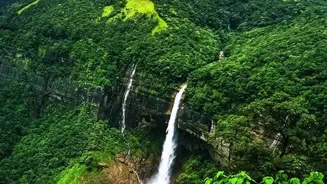
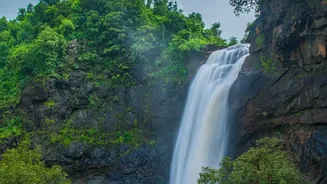
targeting the September-to-November window for quick getaways. The appeal is simple but powerful: the rains wash the landscape clean, leaving behind vibrant greenery, gushing waterfalls, and clear, crisp air. This period offers a unique sweet spot with fewer crowds, pleasant weather, and often more affordable accommodation compared to the peak winter season. It’s a trend driven by those seeking authentic, nature-focused experiences without the long planning cycles of a major holiday.
The Rejuvenated Western Ghats
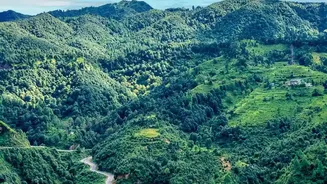
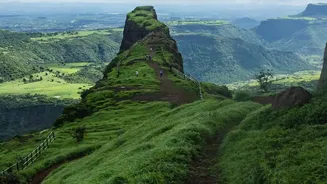
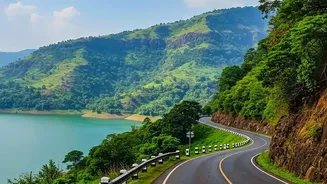
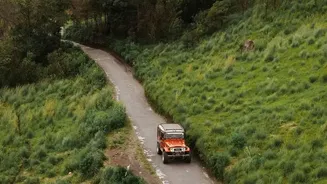
The Western Ghats, stretching through Maharashtra, Karnataka, Kerala, and Tamil Nadu, are arguably at their most magnificent right after the monsoon. Hill stations that are popular year-round take on a special charm. In Maharashtra, places like Lonavala and Malshej Ghat transform into carpets of green, with waterfalls cascading down hillsides. Further south, Karnataka's Coorg and Chikmagalur are a sensory delight. The air is thick with the fragrance of wet earth and fresh coffee blossoms, and the rolling hills are wrapped in a gentle mist. Treks to peaks like Tadiandamol or Kodachadri become especially rewarding with panoramic views of the verdant valleys. In Kerala, Munnar's tea plantations seem to glow in shades of emerald, offering a peaceful retreat for those looking to drive through scenic ghat roads and enjoy the serene atmosphere.
Clear Skies in the Himalayan Foothills
While heavy monsoons can make the high Himalayas tricky, the post-monsoon period is ideal for exploring the foothills. The rains clear the dust and haze, offering stunning, unobstructed views of the snow-capped peaks. Destinations in Uttarakhand and Himachal Pradesh become perfect for short escapes. Rishikesh, a hub for spirituality and adventure, offers pleasant weather for everything from attending the Ganga Aarti to river rafting. Hill stations like Nainital and Shimla, refreshed after the rains, provide a tranquil setting for nature walks and boating. For the more adventurous, this is the last window to explore places like Spiti Valley before winter snows make the region inaccessible. The clear night skies also make it a fantastic time for stargazing and astrophotography.
A Different Shade of Rajasthan
Rajasthan is often associated with the stark beauty of its deserts, but the post-monsoon season reveals a different side of the state. The Aravalli Range, which cuts through the region, sheds its dry look for a surprisingly lush appearance. Udaipur, the city of lakes, is particularly enchanting during this time. Its lakes are full, and the surrounding hills are green, creating a romantic and picturesque landscape that feels worlds away from the summer heat. Mount Abu, Rajasthan's only hill station, becomes an oasis in the truest sense, with pleasant weather perfect for exploring its temples and trekking paths. Even heritage cities like Jaipur feel more vibrant, with the overcast monsoon skies giving way to clear, sunny days perfect for sightseeing without the scorching temperatures.
Planning Your Post-Monsoon Escape
A successful post-monsoon trip is all about smart planning. While the weather is generally stable, it’s wise to check road conditions, especially in hilly areas where landslides can be a lingering risk. Packing should include layers—light woollens for cooler evenings and quick-dry clothing in case of a surprise shower. Good walking shoes with a solid grip are essential for exploring wet trails and slippery stone paths. This season’s growing popularity means that while it’s less crowded than winter, booking accommodation a few weeks in advance is a good idea, particularly for popular weekend destinations. Embrace the flexibility of the season; a sudden mist or a brief downpour is part of the charm that makes this time of year so unique.