




The 'Zoning' Philosophy
Before you pack a single item, think of your luggage as having two distinct areas. The 'dry zone' is a fortress dedicated to protecting your clean clothes, important documents, and sensitive electronics. The 'wet zone' is a designated isolation area for anything
that gets damp—from a used umbrella to soaked footwear or clothes caught in a downpour. This mental separation is the foundation of smart monsoon packing. It prevents moisture from a single wet item from compromising everything else in your bag, saving you from the hassle of damp, musty belongings. The goal is to create a system where wet and dry items can coexist in the same bag without ever mixing.
Your Fortress: Choosing the Right Bag
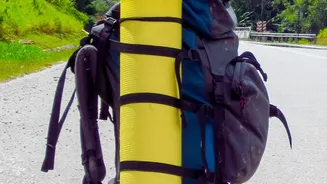
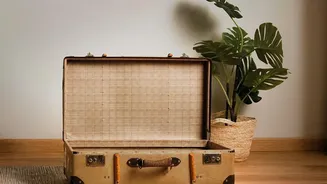
Your first line of defence is your main bag. While hard-shell suitcases offer good protection, a high-quality water-resistant backpack or duffel bag is often more practical for navigating varied terrain. Look for bags with durable zippers and multiple compartments. Regardless of your choice, a dedicated rain cover is non-negotiable. It provides an essential extra layer of protection during heavy downpours. Some travel experts even suggest lining your bag's main compartment with a heavy-duty bin liner as a failsafe DIY waterproofing method. This ensures that even if the exterior gets damp, the contents inside have a better chance of staying completely dry.
Mastering the 'Dry Zone'
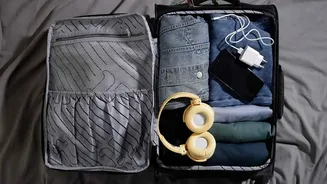
This is where you protect your most important belongings. Use waterproof packing cubes or compression bags for your clothes. They not only keep items organised but also create a barrier against any ambient humidity or accidental leaks. For electronics, documents, and medications, never pack them loose. Use individual waterproof pouches or even simple ziplock bags for double-layered protection. Keep these sensitive items away from the outer edges of your bag and place them in the most protected central compartments. To combat the pervasive humidity of the monsoon season, consider distributing a few silica gel packets throughout your dry zone to absorb excess moisture.
Managing the 'Wet Zone'
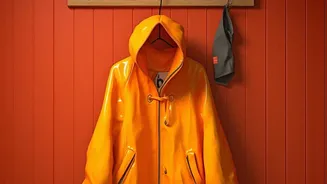
Inevitably, something will get wet. The key is to contain it. A dedicated 'dry bag'—the kind used for watersports—is an excellent investment for your wet zone. This is where you'll stash your damp raincoat, wet swimwear, or clothes you were wearing in a shower. It effectively quarantines moisture. For wet footwear, a separate reusable bag is essential to keep mud and water away from everything else. Many modern travel backpacks come with a separate shoe compartment, which is perfect for this purpose. A compact, quick-dry microfibre towel is another wet-zone essential for drying off yourself or your gear before packing it away.
Strategic Fabric and Footwear Choices
What you pack is as crucial as how you pack it. Avoid heavy fabrics like denim and thick cotton, which absorb water and can take days to dry in high humidity. Instead, opt for lightweight, quick-drying synthetic fabrics like polyester and nylon blends. Rayon and linen are also good choices for their breathability and relatively fast drying times, making them comfortable in humid weather. For footwear, leave the non-waterproof sneakers at home. Choose waterproof sandals with a good grip, floaters, or trail runners designed for wet conditions. Always pack at least one extra pair of footwear so one can dry while you wear the other.