

A 'Hydrogen for Heritage' Vision
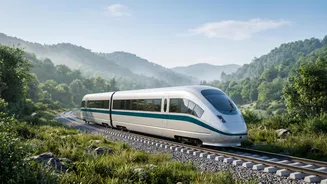
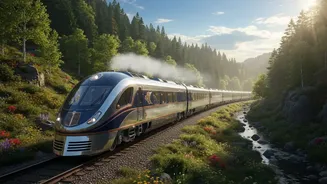
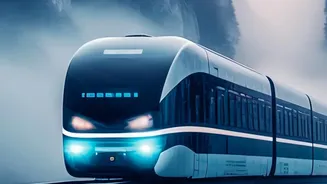
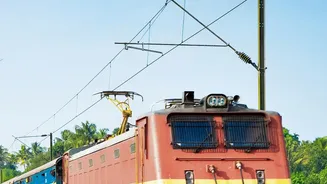
Indian Railways has launched an ambitious initiative called 'Hydrogen for Heritage' to run specially designed trains on its historic and hill routes. The goal is to replace the existing diesel-powered locomotives with a clean, zero-emission alternative.
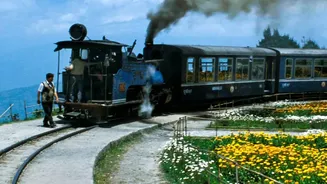
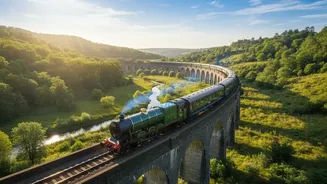
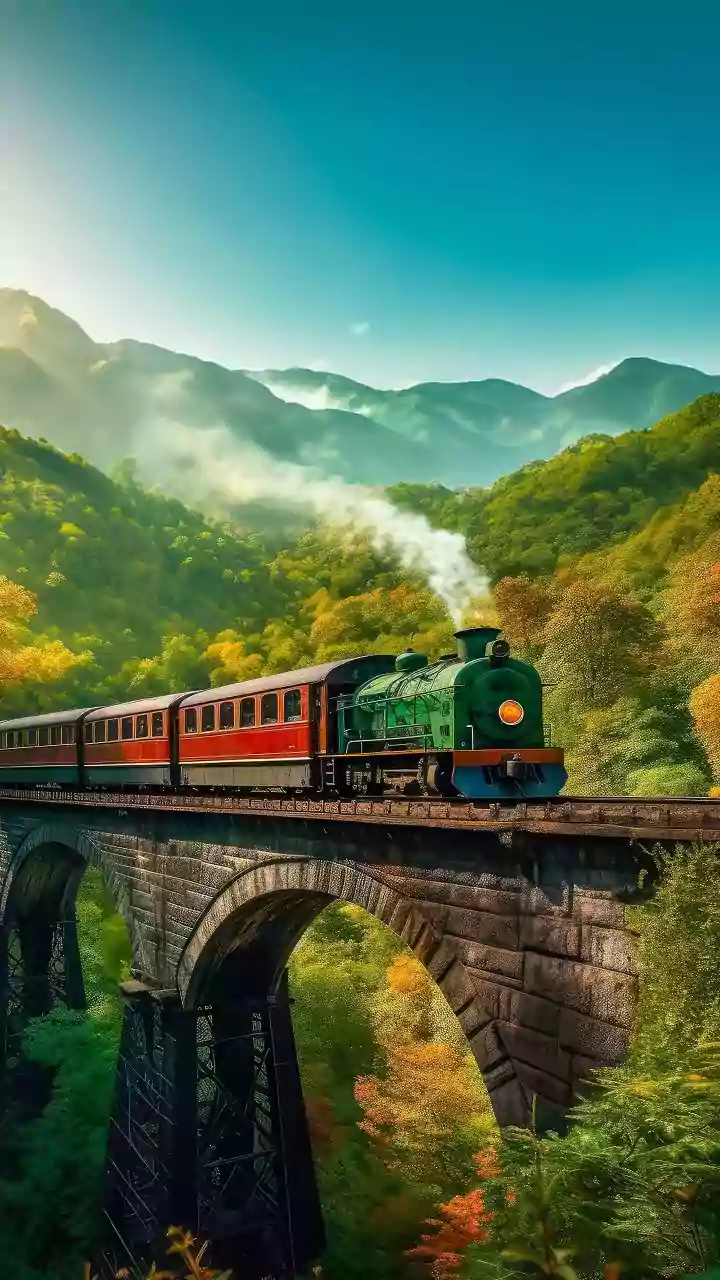
This project isn't just about technological advancement; it's a strategic move to protect the fragile ecosystems and pristine beauty of areas where these trains operate, such as the UNESCO World Heritage sites of the Kalka-Shimla Railway, Darjeeling Himalayan Railway, and Nilgiri Mountain Railway. By retrofitting existing diesel units with hydrogen fuel cells, the railways can introduce modern, eco-friendly technology without compromising the vintage appeal of these beloved trains. The plan involves deploying as many as 35 hydrogen trains across several heritage routes, signalling a major commitment to sustainable tourism and green transport.
How Does a Hydrogen Train Actually Work?
Think of a hydrogen train as a self-contained power plant on wheels. Instead of burning diesel, it uses a fuel cell to generate electricity. Inside the fuel cell, hydrogen stored in high-pressure tanks on the train chemically reacts with oxygen drawn from the air. This electrochemical reaction produces two things: electricity to power the motors that turn the wheels, and pure water vapour as the only emission. Any surplus energy generated can be stored in onboard batteries to provide an extra power boost when accelerating. The result is a train that runs with zero tailpipe emissions, eliminating the carbon dioxide, particulate matter, and nitrogen oxides spewed out by traditional diesel engines. This makes it an ideal solution for ecologically sensitive areas.
Pioneering Trials and Targeted Routes
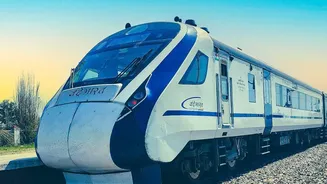
The first major pilot for this technology in India was launched on the Jind-Sonipat section of the Northern Railway. This trial is crucial for testing the performance, safety, and reliability of hydrogen-powered trains under real-world Indian operating conditions. The experience and data gathered from the Jind-Sonipat run will be used to guide the deployment on more complex heritage lines. The Kalka-Shimla route is a prime candidate and has been a key focus of the heritage initiative. Its difficult terrain, with over 100 tunnels, makes traditional overhead electrification challenging and potentially harmful to its heritage status. Hydrogen trains offer a perfect alternative, providing clean power without the need for intrusive overhead wires. Other iconic routes like the Matheran Hill Railway and the Darjeeling Himalayan Railway are also being considered for this green upgrade.
The Benefits Beyond Just Emissions
The primary advantage of hydrogen trains is, of course, the elimination of harmful emissions, aligning with India's goal of achieving Net Zero by 2070. But the benefits don't stop there. Hydrogen-powered trains are significantly quieter than their diesel counterparts, reducing noise pollution for both passengers and the communities along the tracks. Passengers can expect a smoother, less vibratory ride, enhancing the travel experience. Over the long term, these trains could also lead to lower maintenance costs compared to diesel engines. By pioneering this technology, India positions itself as a leader in green transportation and creates opportunities to develop a domestic hydrogen ecosystem, from production to infrastructure.
Challenges on the Track Ahead
Despite the immense promise, the journey to a hydrogen-powered heritage rail network has its challenges. The initial cost of hydrogen trains and the necessary infrastructure, such as production and refuelling stations, is high compared to conventional options. The cost of producing 'green' hydrogen (using renewable energy) is currently more expensive than diesel or electricity from the grid. As with any new technology, ensuring safety is paramount, and Indian Railways has incorporated multiple safety systems in its designs, from leak detectors to automatic shut-offs. While initial operational costs may be higher, they are expected to decrease as the technology matures and more trains are brought into service, achieving economies of scale.