





The Rain-to-Rupee Connection
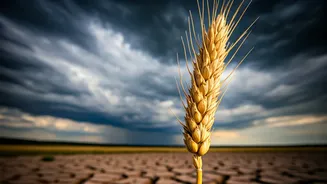
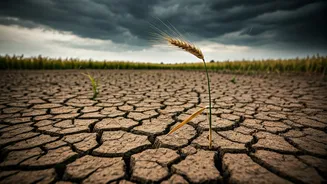
The southwest monsoon is the lifeblood of India's agriculture-driven economy. It dictates the fate of the crucial Kharif sowing season, which relies heavily on rainfall for irrigation. A strong, evenly distributed monsoon translates to bountiful harvests,
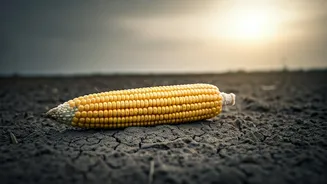
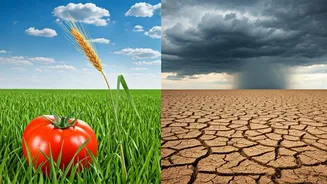
robust supply chains, and stable prices at the local market. Conversely, a weak or erratic monsoon can lead to reduced crop yields, supply shortages, and an inevitable surge in the cost of essential food items. Food accounts for nearly half of India's Consumer Price Index (CPI) basket, meaning any fluctuation in agricultural output has a direct and significant impact on household budgets and the nation's overall inflation rate. [15]
An Anxious Forecast for 2026
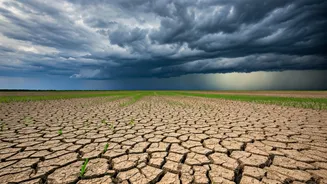
This year, the outlook is tinged with concern. The India Meteorological Department (IMD) has projected a "below normal" monsoon for 2026, with rainfall expected to be around 90-95% of the Long Period Average (LPA). [2, 6, 9] This forecast is compounded by the emergence of El Niño conditions, a weather pattern historically associated with weaker monsoons in India. [2, 15] As of late June, the monsoon's progress has been sluggish, with a significant rainfall deficit recorded across the country and a delayed arrival in northern states. [5, 7] This slow start has already impacted the sowing of Kharif crops, with the total area planted lagging behind last year's figures, particularly for cotton and some pulses. [3, 4]
The At-Risk Grocery List
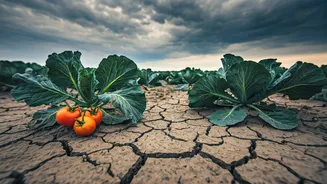
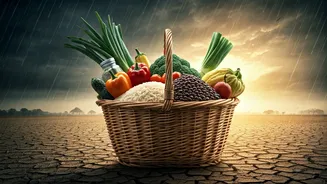
While staples like wheat and rice are somewhat cushioned by large government buffer stocks, other kitchen essentials are far more vulnerable to a poor monsoon. [7, 25] Pulses, such as tur (arhar) and moong, are a primary concern. India has a structural deficit in pulses and relies on imports to meet demand, making their prices highly sensitive to domestic production shortfalls. [18, 19] A disappointing summer pulse crop could trigger a surge in imports and retail prices. [20] Vegetables, particularly tomatoes and onions, are also at high risk. The intense heatwaves preceding the monsoon have already contributed to rising vegetable prices, with tomato inflation soaring to 48.4% in May 2026. [14, 17] A weak monsoon could exacerbate these supply issues, putting further pressure on household budgets. Edible oils are another category to watch closely. [18]
Beyond the Farm Gate
The impact of a deficient monsoon extends beyond just crop output and food prices. It has a significant ripple effect across the entire economy. Reduced agricultural production hurts rural incomes, leading to a slump in demand for goods and services, from tractors to FMCG products. It also affects industries that depend on agricultural raw materials. Furthermore, since a substantial portion of India's electricity is generated by hydropower, poor rainfall can diminish reservoir levels, impacting power generation and potentially leading to shortages. [9] The Reserve Bank of India (RBI) watches the monsoon's performance closely, as persistent food inflation can force it to maintain higher interest rates, which can slow down overall economic growth. [15]
The Government's Balancing Act
The government is not a passive observer. It employs several measures to mitigate the impact of a poor monsoon and control food prices. These include releasing buffer stocks of grains, imposing stock limits on traders to prevent hoarding, and adjusting trade policies like banning exports or reducing import duties on specific commodities to bolster domestic supply. [23, 24] For example, the government has already established a price stabilisation buffer for onions for 2026-27. [25] However, these tools are often more effective for cereals than for perishable items like vegetables or pulses, where price volatility is harder to control. [18] Ultimately, the effectiveness of these interventions depends on the severity and duration of the monsoon's shortfall.