






Why Planning Is Your Best Friend
The romance of a last-minute trip to the mountains is undeniable, but when it comes to snow, spontaneity can be a recipe for disappointment. Arriving in Manali or Shimla to find no snow, or worse, getting caught by a blizzard that shuts down roads for days,
is a common pitfall. Heavy snowfall can lead to widespread road closures, flight cancellations, and power outages, turning a dream vacation into a logistical nightmare. Popular destinations like Gulmarg, Auli, and Manali have specific windows for reliable snowfall, which can shift yearly. A well-researched plan doesn't kill the adventure; it ensures you have the right gear, realistic expectations, and backup options for a smooth journey.
Choosing Your Winter Wonderland
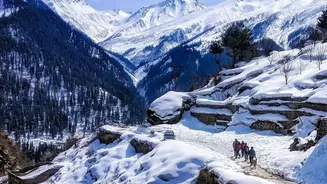
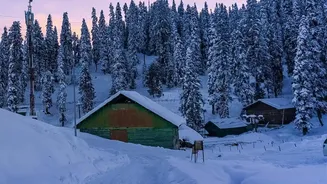
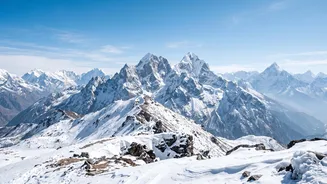
India offers a stunning array of snow destinations, each with its own character. Gulmarg in Kashmir is often considered the top choice for reliable, deep powder, making it ideal for serious skiers and snow enthusiasts. Manali, along with the nearby Solang Valley in Himachal Pradesh, is more accessible by road from North India and offers a vibrant mix of adventure sports and town comforts. Auli in Uttarakhand is renowned as a ski resort with breathtaking views of peaks like Nanda Devi, though it requires a longer journey. For those seeking a quieter experience, places like Pahalgam in Kashmir or even parts of North Sikkim offer incredible scenery, though access can be more restricted. The best time for most of these locations is generally from late December to February, with January often being the snowiest month.
Go Beyond a Simple Weather Check
Checking a basic forecast for 'snow' isn't enough. Mountain weather is complex and changes rapidly. It’s crucial to monitor forecasts from reliable sources like the India Meteorological Department (IMD) or specialized apps like Skymet Weather. Pay attention to predictions about 'Western Disturbances'. These are extratropical storms originating in the Mediterranean region that bring the bulk of winter rain and snow to Northern India. A strong Western Disturbance can mean heavy, multi-day snowfall, leading to road closures and potential avalanche risks. Conversely, a lack of these systems can result in a dry winter. Understanding the intensity and timing of these weather patterns a week before your trip can make all the difference.
Build a Flexible and Realistic Itinerary
The key to a successful snow holiday is flexibility. Over-scheduling your trip is a common mistake that leaves no room for weather delays or spontaneous moments. When planning, build in buffer days, especially if you are travelling to high-altitude areas like Lahaul, Spiti, or parts of Ladakh, where passes can close without warning. Book refundable hotels and transport where possible. Don’t plan a transfer from a remote mountain area on the same day as your flight home; it’s safer to stay in a major hub like Srinagar or Shimla the night before you depart. Have a list of alternative activities. If the snow isn't ideal for skiing, perhaps you can explore local cafes, monasteries, or markets. A successful trip is one that adapts to the conditions on the ground.
Pack for Every Possibility
Packing for a mountain trip requires more than just a heavy jacket. The best approach is to use a layering system: a thermal base layer, an insulating mid-layer like fleece, and a waterproof and windproof outer shell. This allows you to adapt to changing temperatures throughout the day. Essentials include waterproof boots with good grip, warm socks, gloves, a hat, and sunglasses to protect against snow glare. Also, pack a small daypack with essentials like water, snacks, a portable charger, and a basic first-aid kit. Given the possibility of road closures and delays, it's wise to carry extra medication and some cash, as ATMs may not be functional during power outages.