


The Great Tourist Burnout
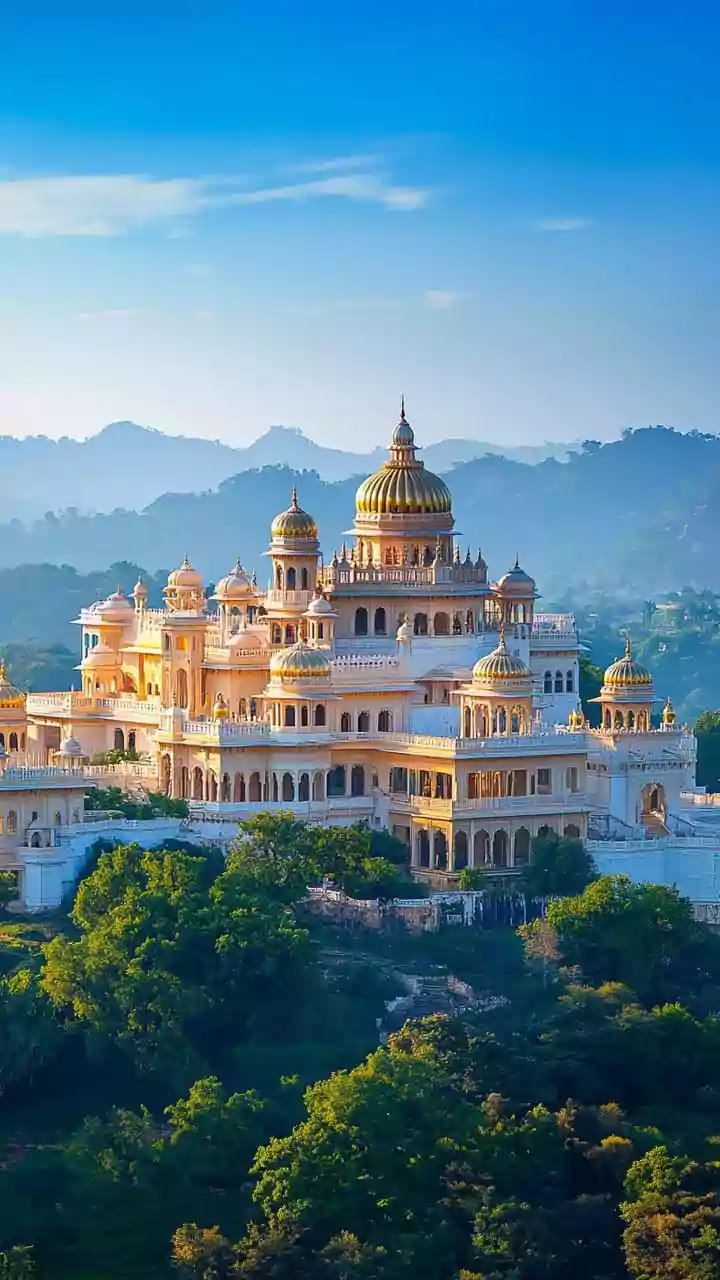
For years, the Indian travel calendar was predictable. Summer meant a mad dash to Shimla or Manali, long weekends saw Goa’s beaches packed shoulder-to-shoulder, and festival seasons turned cities like Jaipur and Udaipur into a frenzy of activity. While
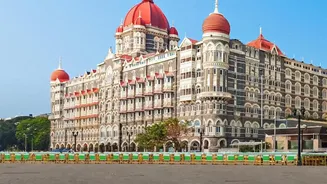
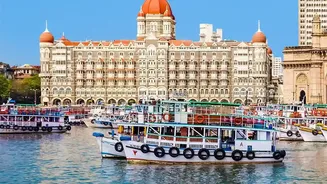
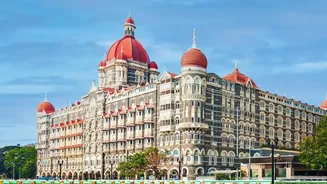
popular for a reason, these destinations are now suffering from what experts call 'overtourism'. The very things that made them famous—serene landscapes and rich culture—are being strained by overwhelming crowds, traffic jams, and commercialisation. Young travellers, particularly millennials and Gen Z, are feeling this burnout the most. They’ve seen the same pictures online a million times and are increasingly asking, 'What's next?'. The desire is no longer just to see a place, but to actually experience it without the chaos.
A Quest for Authenticity
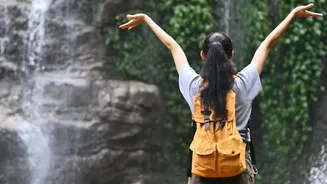
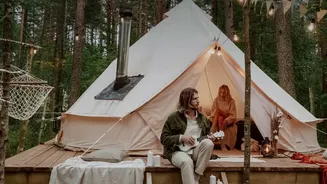
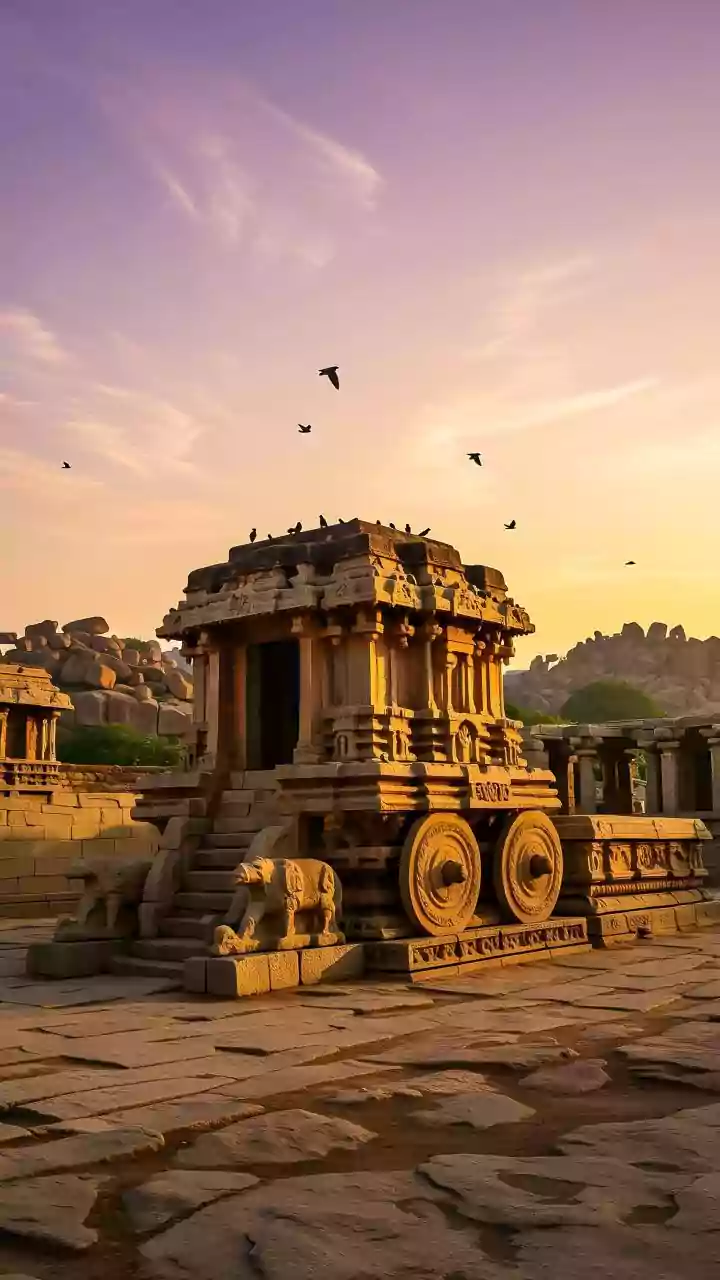
The new travel mantra is 'authenticity'. Young Indians are craving genuine connection over curated, tourist-centric activities. This means swapping a hotel buffet for a local thali at a family-run dhaba, or choosing a homestay where they can interact with the hosts over a generic resort. Tier-2 and Tier-3 regions are treasure troves of this kind of authenticity. Think of exploring the medieval stepwells of Bundi in Rajasthan, discovering ancient temples along the Betwa River in Orchha, or learning about local traditions in a remote village in Arunachal Pradesh. In these places, culture isn't a performance for visitors; it's a way of life that travellers are invited to witness respectfully. This search for realness is a powerful driver, pushing people to explore places that offer more meaningful and memorable encounters.
The New Social Media Flex
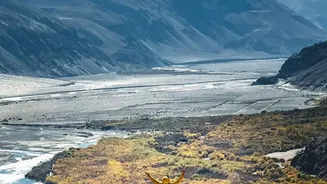
Social media once fuelled the race to popular spots, but the algorithm of influence is changing. While the Eiffel Tower or Taj Mahal will always be iconic, the new 'flex' for many young travellers is discovering a place their friends haven't heard of. Platforms like Instagram are now filled with images of remote Himalayan villages, pristine, unknown beaches, and dramatic landscapes like Gandikota, the 'Grand Canyon of India'. It signals a shift from 'I went there' to 'I discovered this'. This trend is self-perpetuating; as more people post about these hidden gems, they inspire others to venture off the beaten path, creating a cycle of discovery. It's no longer about ticking off a bucket list, but about creating a unique one.
Smarter Economics and Slower Paces
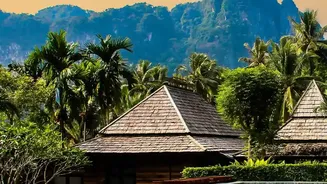
Let’s be practical: travel costs money. For a generation conscious of budgets, the economics of exploring Tier-2 and Tier-3 destinations are incredibly appealing. Accommodation, food, and local transport are significantly cheaper than in major tourist hubs, allowing for longer, more immersive trips without breaking the bank. This affordability pairs perfectly with the growing 'slow travel' movement. Instead of a whirlwind 3-day trip, travellers are choosing to spend a week or more in one place, absorbing the local rhythm. This is where the rise of remote work has been a game-changer. The 'workation' is no longer a niche concept but a mainstream reality for many young professionals in India. Armed with a laptop and a good internet connection, they can trade their city apartment for a mountain-view cafe in Himachal or a quiet homestay in the backwaters of Kerala, blending work and leisure seamlessly.