


The Rise of the Fifteen-Second Story
Platforms built on short-form video have fundamentally changed our media diet. Designed for endless scrolling, they deliver a constant stream of novel, bite-sized content. This format provides instant gratification, with each swipe offering a new micro-story,
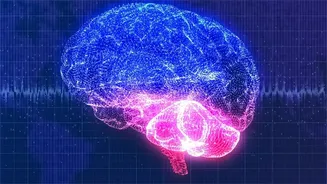
a new joke, or a new visual spectacle. Neuroscience research suggests this pattern creates a powerful dopamine loop. The brain's reward system is activated by the constant novelty, conditioning it to expect and crave rapid, high-stimulation content. This isn't just a fleeting distraction; it’s a form of cognitive training that prioritizes quick hits over sustained engagement. Over time, this can make slower, more deliberate activities feel less appealing.
Our Brains on a Digital Diet
The cognitive effects of this diet are becoming clearer. Studies have linked heavy consumption of short-form videos to challenges in maintaining attention, regulating emotions, and controlling impulses. Researchers describe how the brain adapts to this fast-paced information flow by favoring novelty over depth, a phenomenon sometimes called 'TikTok brain'. This makes tasks that require prolonged focus, like reading a book or following a complex argument, more difficult. While a two-hour movie might not seem like a marathon, for a brain accustomed to 15-second content shifts, it can feel like a significant cognitive load, leading to a feeling of restlessness or boredom.
The Two-Hour Challenge
Feature films demand a different kind of attention than a social media feed. They rely on slower narrative arcs, gradual character development, and moments of quiet that allow themes to resonate. When viewers are conditioned for constant stimulation, these quieter moments can become triggers for distraction. The impulse to reach for a phone during a slow-burn drama or a long establishing shot is a direct symptom of a fractured attention habit. Studies show that the majority of people now use a second screen while watching TV at home, splitting their focus and often missing crucial plot points or emotional nuances. This multi-screening makes the viewing experience feel longer and less immersive.
Is Cinema Fighting Back?
The film industry is not oblivious to this trend. While there isn't a consensus, there are signs of adaptation. Some analysts note that the average shot length in films has decreased significantly over the decades, suggesting a move toward faster pacing to hold viewer attention. Movies with high-contrast, saturated visuals that are visually similar to popular social media aesthetics have also seen success. Paradoxically, another response has been the rise of the three-hour blockbuster 'event' film. By positioning movies like 'Oppenheimer' or 'Avatar: The Way of Water' as major cultural events best seen in immersive formats like IMAX, studios create an environment where distraction is discouraged and full engagement is part of the experience.
Reclaiming Our Focus
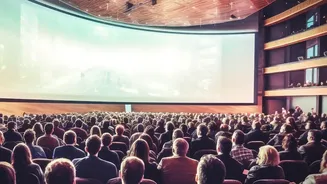
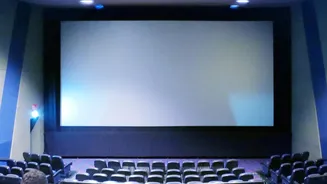
Interestingly, the very platforms fragmenting our attention are also becoming powerful marketing tools for cinema. TikTok campaigns have been shown to drive significant box office sales, with users discovering new films on the app and then buying tickets. This suggests that the desire for long-form storytelling hasn't vanished, but the pathway to it has changed. For viewers, the challenge is managing the digital environment. The experience of watching a film in a dark theater, where phones are put away, remains powerful because it removes the source of distraction. At home, consciously deciding to put the phone in another room can replicate a piece of that focused environment, allowing for a more rewarding and immersive viewing experience.