


A Symphony of Synchronised Light
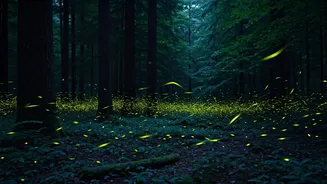
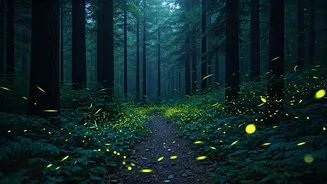
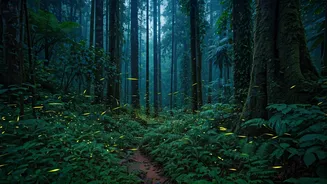
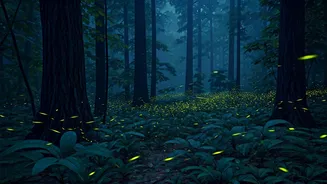
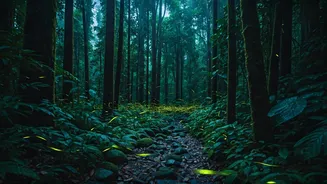
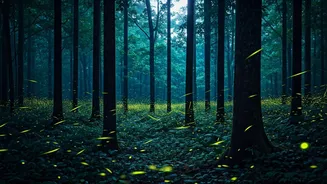
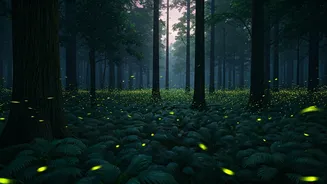
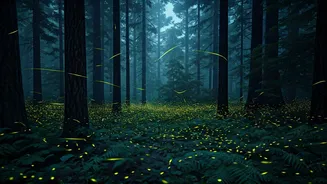
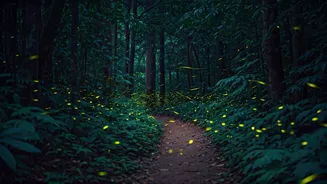
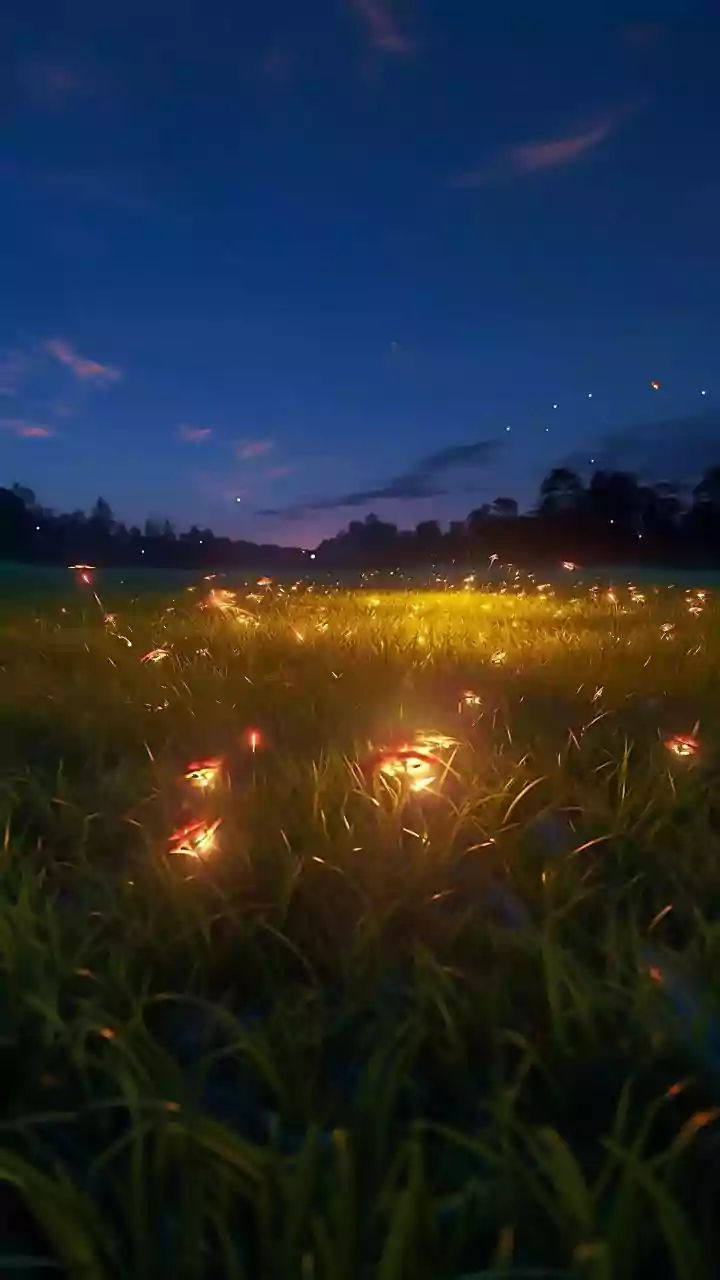
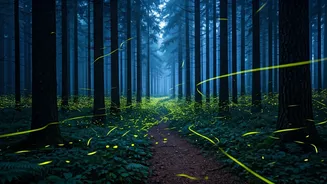
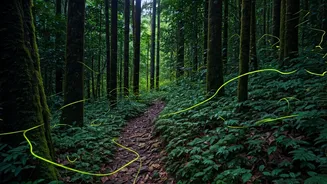
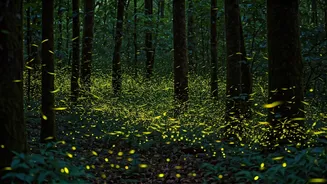
Every year, just before the monsoon rains arrive in late May and June, something extraordinary happens in the forests of the Western Ghats. Millions of fireflies, or 'jugnu' as they are lovingly called, emerge for their brief but brilliant mating season.
What makes this display so mesmerising is the phenomenon of synchronous bioluminescence. Male fireflies flash their lights in unison to attract females, creating waves of pulsating light that ripple through the trees. This isn't just a random twinkling; it's a coordinated, silent symphony. The cool, dark, and humid pre-monsoon nights provide the perfect canvas for this natural light show, an experience that feels both primal and deeply magical.
Maharashtra: The Heart of Firefly Country
While fireflies can be found in various parts of India, the state of Maharashtra has become the epicentre for firefly tourism. The Sahyadri mountain range, with its dense forests and minimal light pollution, offers ideal conditions for these glowing beetles to thrive. Several villages and forest regions host dedicated firefly festivals, turning the annual event into a celebration of nature and community. These organised tours and homestays not only make the experience accessible but also help support local economies. The journey often involves trekking through quiet forests after dusk, guided by locals who know the best spots to witness the spectacle in its full glory.
Spotlight on Purushwadi and Bhandardara
Among the most famous destinations is Purushwadi, a tribal village adopted by Grassroutes, an organisation promoting rural tourism. Here, the Firefly Festival is a community-run affair. Visitors can stay in tents or local homes, eat traditional meals, and join guided night walks. The experience is rustic and authentic, focusing on sustainable eco-tourism. Similarly, the areas around Bhandardara, including the villages of Rajur, Samrad, and Harishchandragad, are hotspots for firefly sightings. The landscape, dotted with lakes and dams, provides a stunning backdrop as the lights from the fireflies reflect on the water's surface, doubling the magic of the display.
Planning Your Night Journey
Timing is everything. The peak season is incredibly short, typically running from the last week of May to the third week of June, right before the heavy monsoon showers begin. It's best to check with local tour operators or festival organisers for the most current predictions. Since these locations are rural, be prepared for basic amenities. Accommodations range from simple homestays to campsites. Book well in advance, as these festivals are immensely popular. Essential items to pack include comfortable walking shoes, insect repellent, a light rain jacket for unexpected drizzles, and a torch (to be used sparingly and pointed at the ground) for navigating the dark trails.
Travel with Care: Be a Responsible Visitor
The magic of the fireflies depends on a delicate ecosystem, which can be easily disturbed. To ensure these trails continue to glow for years to come, responsible tourism is non-negotiable. The golden rule is to cause as little disturbance as possible. Avoid using flashlights or your phone's flash, as artificial light interferes with the fireflies' mating signals. Do not attempt to catch them; their lifespan is short, and this is a crucial period for their survival. Maintain silence and walk softly. Loud noises can disrupt their behaviour. Lastly, do not leave any litter behind. The goal is to leave the forest exactly as you found it, taking only memories and photographs (without flash, of course).