



What Exactly is Fermented Rice Water?
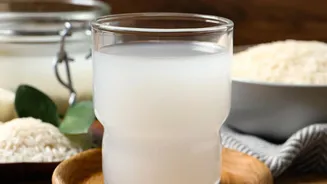
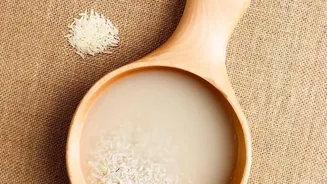
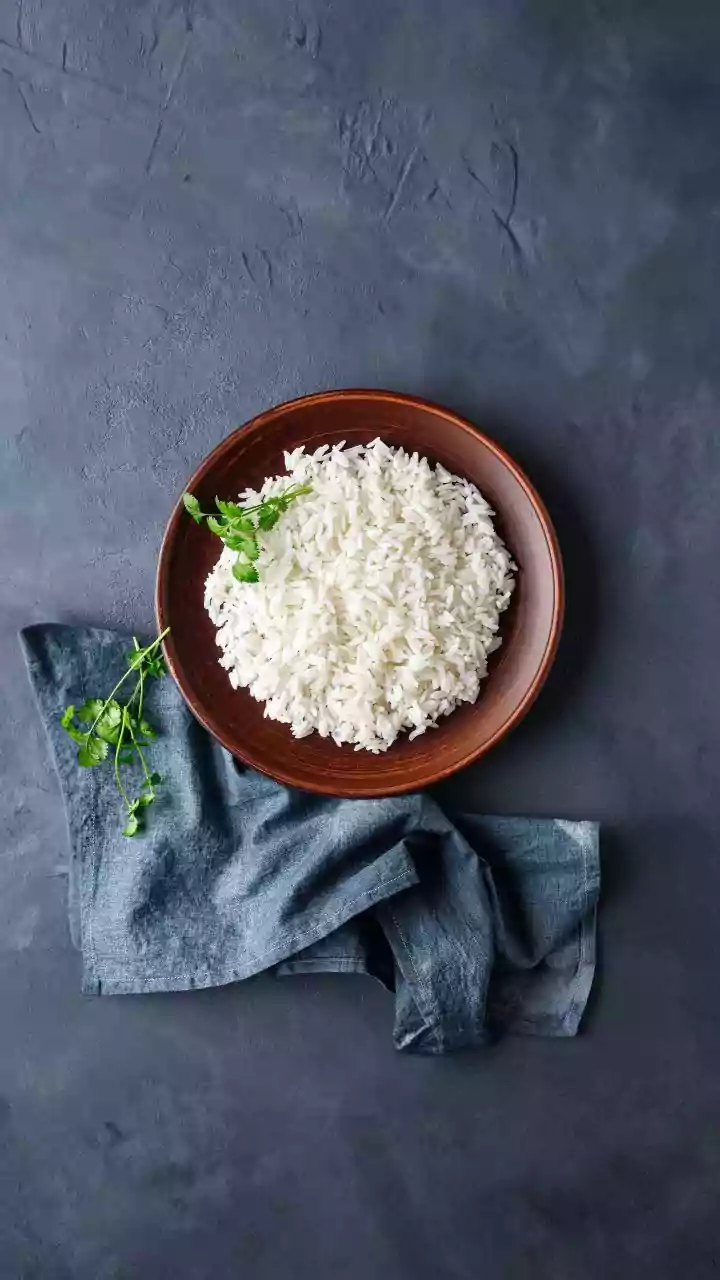
At its simplest, rice water is the starchy liquid left over after soaking or cooking rice. Fermentation takes this one step further. By letting the rice water sit at room temperature for a day or two, you allow natural yeasts and beneficial bacteria to
work their magic. This process enriches the water, boosting its nutrient profile and creating beneficial compounds like amino acids, antioxidants, and probiotics. While plain rice water has its uses, fermentation unlocks a new level of potential, making the nutrients more bioavailable and lowering the pH to a level that is more compatible with our hair and skin.
A Traditional Secret for Stronger, Shinier Hair
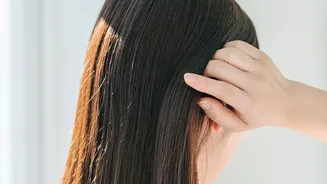
Historically, women in China, Japan, and Southeast Asia have used rice water as a daily hair treatment. The famed Yao women of China, known for their incredibly long and healthy hair, credit their locks to washing with fermented rice water. Modern science is beginning to understand why this works. Rice water is rich in inositol, a carbohydrate that can penetrate the hair shaft, repair damage, and strengthen it from within. This strengthening effect helps to reduce breakage, which in turn allows hair to grow longer. The fermentation process increases the concentration of amino acids, the building blocks of hair protein, which helps to improve elasticity and shine. While it's not a magic growth serum that speeds up growth from the root, it creates an ideal environment for healthy hair and protects the length you already have.
Nourishing Your Gut From the Inside Out
The benefits of fermented rice water aren't just skin deep. When consumed, it acts as a natural probiotic drink. The fermentation encourages the growth of beneficial bacteria, particularly Lactobacillus species, which are crucial for a healthy gut microbiome. In many parts of India, this isn't a new wellness trend but a long-standing tradition. Known as Kanji, Neeragaram, or Panta Bhat, this fermented rice beverage has been a breakfast staple for generations, valued for its cooling properties and digestive benefits. Studies have shown that consuming traditional fermented rice can help improve digestion, boost immunity, and may even alleviate symptoms associated with conditions like Irritable Bowel Syndrome (IBS). It's a cost-effective and natural way to introduce live probiotics into your diet.
How to Make Your Own Rice Water Elixir
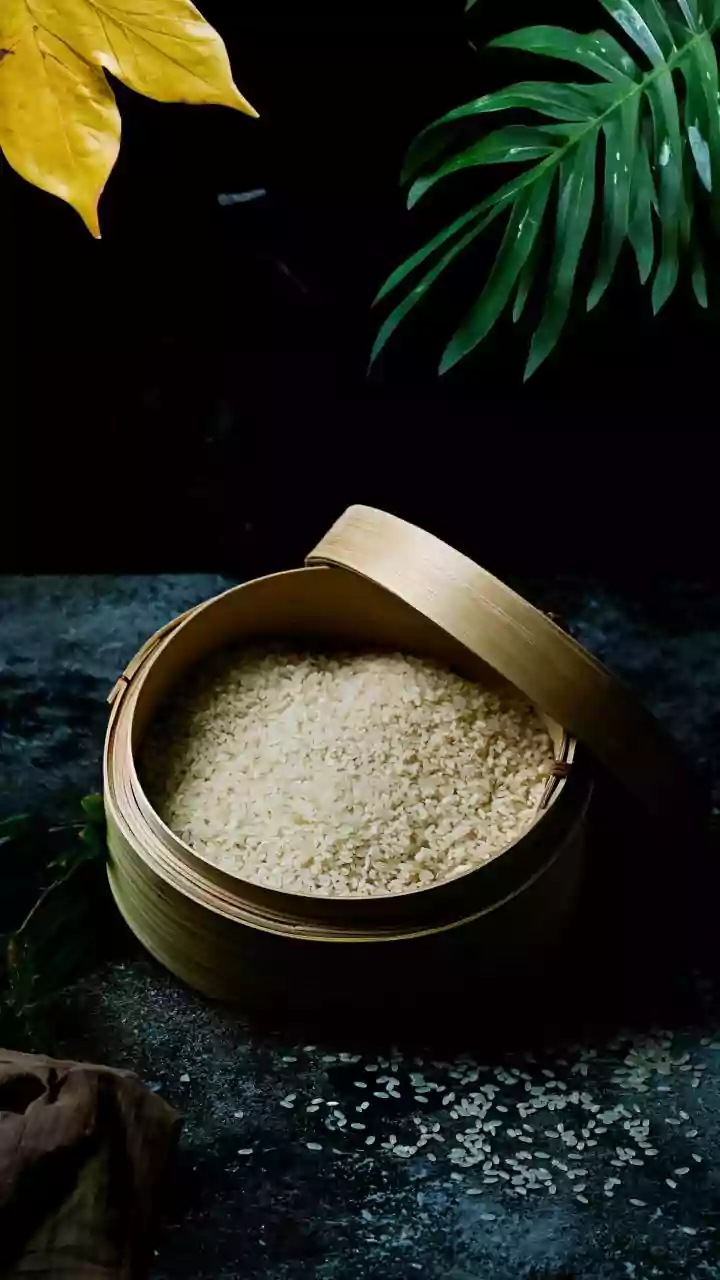
Making your own fermented rice water at home is simple. For a hair rinse, start by rinsing half a cup of uncooked rice to remove impurities. Then, soak the rinsed rice in two to three cups of water for at least 30 minutes, or up to a few hours. Strain the rice, collecting the water in a clean glass jar. Cover the jar and leave it at room temperature for 24 to 48 hours. When it develops a slightly sour smell, the fermentation is complete. You can then store it in the refrigerator to stop the process. To use it, pour the liquid over your hair after shampooing, massage it into your scalp and hair, leave it on for 5-20 minutes, and then rinse thoroughly. For a traditional gut-healthy drink like Kanji, the process often involves soaking leftover cooked rice in water overnight in a clay pot, then consuming the water and mashed rice the next morning, often with a pinch of salt or buttermilk.
A Word of Caution
While fermented rice water is a natural remedy, it's important to use it wisely. For hair, overuse can lead to protein overload in some hair types, causing stiffness and dryness. It's best to start by using it once a week and seeing how your hair responds. When preparing rice water for consumption, hygiene is key to prevent the growth of harmful bacteria. Always start with clean utensils and cooked rice, and traditionally, clay pots are preferred as they aid the fermentation process. If your homemade ferment smells rancid or off, it's best to discard it. While this elixir has a rich history and promising benefits, it's not a cure-all, and results can vary from person to person.