

The aroma of roasting besan and melting ghee is the essence of Diwali. But turning that feeling into a platter of perfect homemade sweets can feel overwhelming. Here’s how to organise a memorable and manageable festive sweet menu for Diwali 2026.
Strategy Before Sweets: The Balanced Platter
The secret
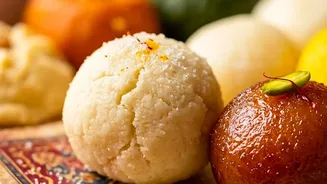
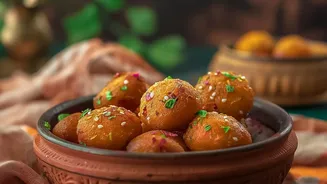
to an impressive Diwali spread isn't just the number of sweets, but the variety. A well-balanced platter appeals to every palate by offering a range of textures, flavours, and richness. Think of it as a culinary journey for your guests. Aim for contrast: pair a soft, milky barfi with a crunchy, nutty chikki. A rich, ghee-laden halwa is best enjoyed alongside something lighter and tangier. A great menu includes a mix of fried delights like gulab jamun, roasted classics like besan ladoo, and milk-based fudges like kalakand. This ensures that after the third sweet, your guests are still reaching for more instead of feeling overwhelmed by richness.
Categorise Your Cravings for Easier Planning
To avoid kitchen chaos, group your desired sweets into manageable categories. This approach helps you see your menu clearly and ensures you have a good mix. A simple framework could be: The Classics, The Showstoppers, and The Quick Fixes. 'The Classics' are your foundational, make-ahead sweets like Besan Ladoo or Coconut Barfi. These are relatively stable and can be made days in advance. 'The Showstoppers' are the fresh, impressive items that are best made closer to the festival, such as Jalebi or Gulab Jamun, which are best enjoyed warm. 'The Quick Fixes' are your delicious time-savers, like no-cook date and nut ladoos or a 15-minute milk powder barfi, perfect for last-minute preparations or unexpected guests.
Map Your Preparation Timeline
A written plan is your best friend during the festive rush. Spreading the work over a week prevents burnout and ensures everything is fresh. Here’s a sample timeline:
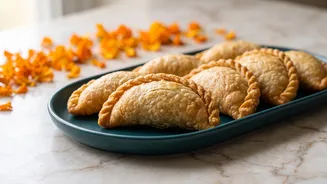
One Week Before: Focus on dry and sturdy sweets. This is the perfect time to make besan ladoos, shakarpara, chikki, and dry fruit-based barfis. These sweets often improve in flavour as they rest. You can also prepare and freeze uncooked gujiya.
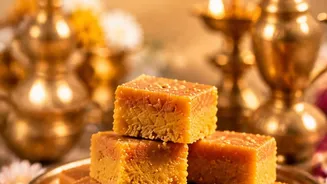
Three Days Before: Tackle the sweets that need time to set properly. Kaju Katli and Mysore Pak are ideal for this window, as they hold their texture well for a few days.
The Day Before: Prepare components that need to rest or ferment. You can make the dough for Gulab Jamun or the batter for Jalebi, which often benefits from overnight fermentation.
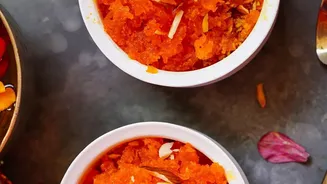
On Diwali Day: This day is for the grand finale. Fry your Gulab Jamuns and Jalebis, and cook fresh, warm desserts like Gajar ka Halwa or Sooji Halwa. These are best served within hours of being made.
Smart Shopping and Presentation
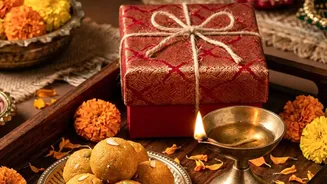
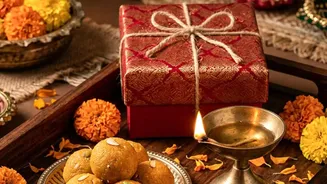
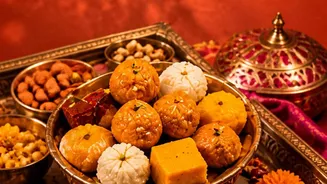
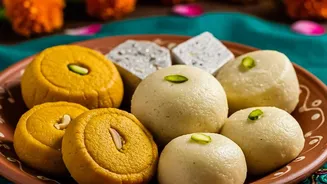
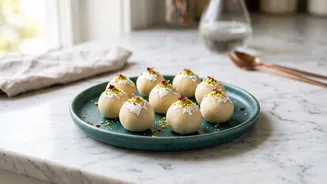
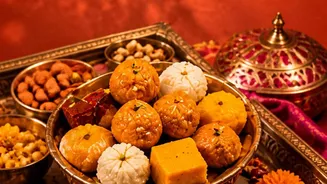
Before you begin, take inventory of your pantry staples: flours, nuts, ghee, sugar, jaggery, and aromatic spices like cardamom and saffron. Make a master list and shop for everything at once to avoid last minute trips to the store. On your prep days, start by getting ingredients ready—roast and chop nuts, powder sugar, and measure out flours. When it comes to serving, presentation elevates your hard work. Arrange sweets on a large thali or wooden board. Use small bowls (katoris) to separate syrup based sweets like rasgulla. Create visual appeal by grouping different shapes and colours together and scattering a few dried rose petals or chopped pistachios for a festive finish.