


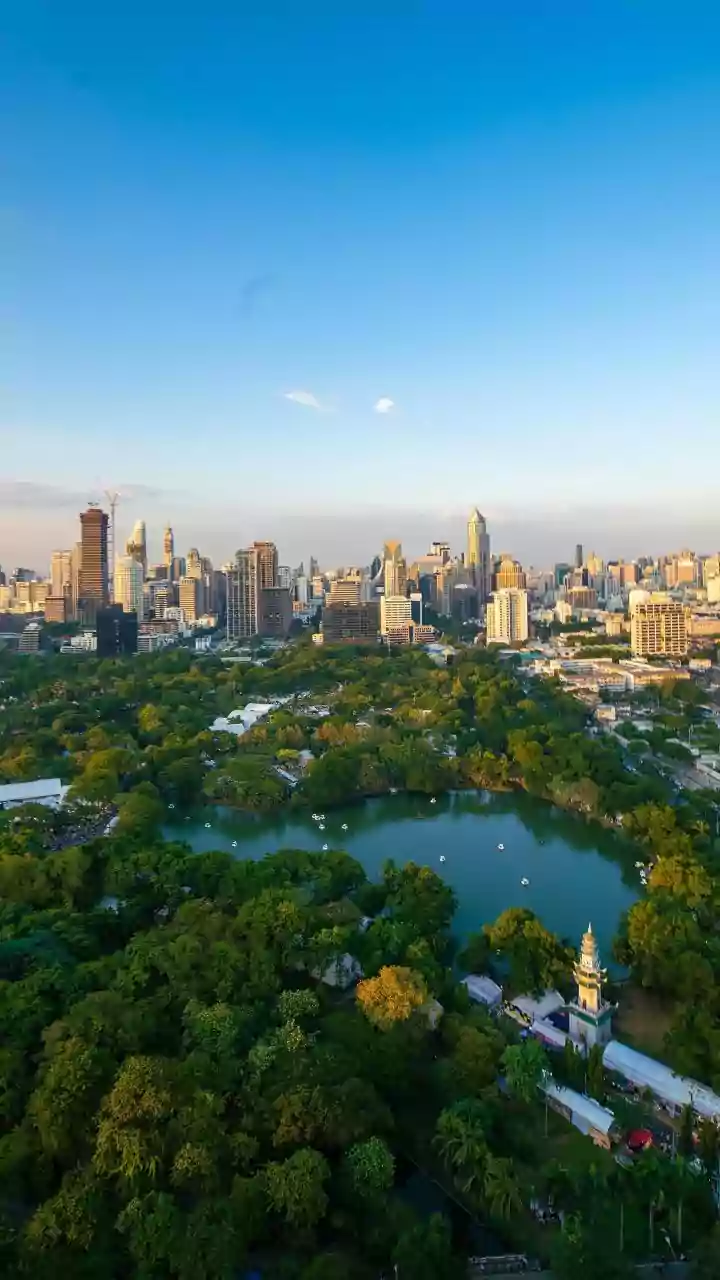


From the early morning calm of walkers and yoga circles to the evening energy of runners, India's urban parks are buzzing. This isn't just about getting fresh air; it's a nationwide fitness movement with public parks right at its heart.
A Newfound Appreciation for Open Spaces
The shift towards
outdoor fitness isn't accidental. In the wake of the global pandemic, urban dwellers developed a renewed appreciation for open, green spaces. Confined to their homes, many Indians experienced the psychological and physical strain of an inactive lifestyle. Parks, once seen merely as recreational spots, were reimagined as essential venues for health and well-being. This collective experience pushed people outdoors, seeking safe and accessible places to move, breathe, and exercise. The simple act of walking or jogging in a park became a powerful antidote to the confines of city living, cementing the role of green spaces in the public consciousness as vital for a healthy life.
Fitness That Doesn't Cost a Fortune
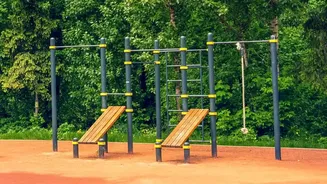
In a country where gym memberships can be a significant expense, public parks offer a powerful alternative: fitness that is free. This economic accessibility is a primary driver of their popularity. While formal gym penetration in India remains below one percent, the desire for a healthy lifestyle is widespread. Parks democratise fitness, making it available to everyone, regardless of income. Recognising this, municipal bodies across cities like Delhi, Mumbai, and Bengaluru have been installing open-air gym equipment. These facilities, featuring machines like air walkers, pull-up bars, and leg presses, provide a structured workout environment without a subscription fee, attracting everyone from homemakers to senior citizens.
The Power of Community and Connection
Parks are more than just places to work out; they are thriving social hubs. Fitness in these spaces is often a communal activity, which fosters consistency and motivation. Across the country, parks host a diverse range of groups: laughter clubs filling the morning air with joy, disciplined yoga circles practicing their asanas, and vibrant running clubs building camaraderie. These activities transform solitary exercise into a shared experience, creating a sense of belonging. For many, especially young professionals and older adults, this social connection is as important as the physical activity itself, turning a fitness routine into a cherished part of their social lives.
Designing Parks for a Healthier India
There is a growing recognition among urban planners and city authorities that public parks are critical infrastructure for public health. Under national initiatives like the Atal Mission for Rejuvenation and Urban Transformation (AMRUT), cities are being encouraged to create and upgrade green spaces with a focus on recreation and wellness. This has led to more thoughtful park design, incorporating dedicated jogging tracks, better lighting for safety, and well-maintained amenities. In cities like Chandigarh, planned green belts and neighbourhood parks ensure that residents have easy, walkable access to these facilities. This conscious effort to integrate wellness into urban design is turning more parks into functional, inviting fitness destinations.
Challenges on the Path to Wellness
Despite the positive trend, the journey is not without its hurdles. Many parks, especially those with open-air gyms, suffer from a lack of regular maintenance, leaving equipment broken or unsafe. In some cities, restrictive park hours or rules can limit accessibility for the general public. Overcrowding is another growing concern, particularly in densely populated areas where the demand for open space far outstrips supply. Ensuring these public assets are safe, inclusive, and wellmaintained is the next critical step for city administrations to truly support this grassroots fitness movement and ensure its longterm success.