


The Sweet Dilemma: Why Switch?
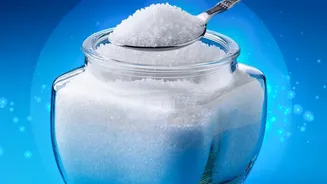
Across India, more people are becoming mindful of their sugar intake. This shift is driven by a desire for better health, weight management, and the need to control conditions like diabetes. While traditional sweets are a cherished part of our culture,
the health impacts of excess refined sugar are well-documented. This has led to a boom in sugar substitutes, all promising sweetness without the downsides. But these alternatives are not created equal. They range from natural, calorie-containing options like honey and jaggery to zero-calorie artificial and plant-based sweeteners. Making an informed choice requires looking at three key factors: how they taste, what they are made of, and how much you should use.
A Matter of Taste
The first test any sweetener must pass is taste. Traditional sweeteners like jaggery and coconut sugar offer a rich, caramel-like flavour that can enhance dishes, while raw honey provides a distinct floral sweetness. However, many zero-calorie options come with their own taste quirks. Stevia, a popular plant-based sweetener, is known for a slightly bitter or licorice-like aftertaste that some people find unpleasant, especially in hot drinks like chai. Monk fruit, another natural option, is often preferred for its cleaner taste with minimal aftertaste. Among sugar alcohols, erythritol tastes remarkably similar to sugar but can leave a mild 'cooling' sensation on the palate. Artificial sweeteners like sucralose are generally neutral, though some users report a slight chemical aftertaste. The best taste is subjective, so you may need to sample a few to find your preference.
Decoding the Ingredients
Understanding what is in your sweetener is crucial. Natural caloric sweeteners like jaggery and honey are often seen as healthier because they are less processed and contain trace minerals like iron. However, they still impact blood sugar. Jaggery has a high glycemic index (GI) similar to white sugar, making it unsuitable for diabetics in large quantities. Raw honey generally has a lower GI but should also be used with caution. Natural zero-calorie options include stevia and monk fruit, which are derived from plants and have a glycemic index of zero, meaning they don't raise blood sugar levels. These are excellent choices for diabetics, but it's important to read labels, as some brands mix them with fillers like maltodextrin, which can spike glucose. Then there are sugar alcohols like erythritol, made by fermenting corn or wheat. It has almost no calories and is one of the better-tolerated sugar alcohols digestively. Finally, artificial sweeteners such as aspartame and sucralose are lab-created and approved for use in India. Sucralose is versatile as it's heat-stable for cooking, whereas aspartame breaks down under heat.
A Little Goes a Long Way
You cannot swap sweeteners for sugar on a one-to-one basis. Most modern sweeteners are intensely sweet. Stevia and monk fruit can be 150 to 300 times sweeter than table sugar, while sucralose is about 600 times sweeter. This means you only need a tiny amount to achieve the desired sweetness. For example, a single packet of a sweetener like Splenda or Stevia in the Raw is often equivalent to the sweetness of two teaspoons of sugar. Using too much can result in an overpowering, often unpleasant taste. Erythritol is an exception; it is only about 70% as sweet as sugar, so you would need to use slightly more—about one and a third cups to replace one cup of sugar in baking. When using liquid sweeteners like honey, you may need to reduce other liquids in your recipe to maintain the right consistency. Always check the product's packaging for specific conversion guidance before you start cooking or baking.
The Right Sweetener for Your Kitchen
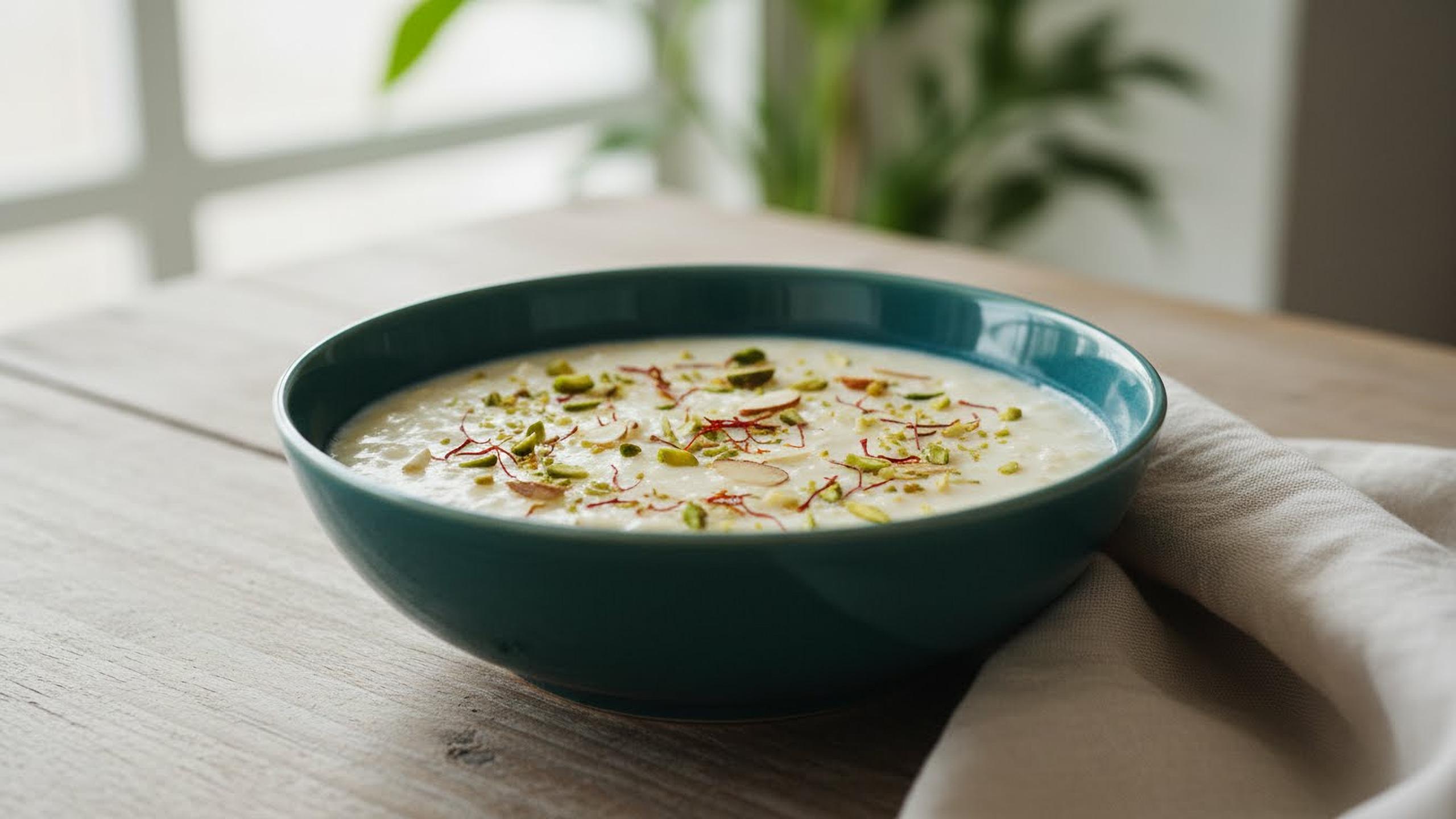
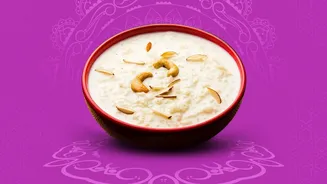
The final consideration is practicality. For daily use in chai or coffee, fast-dissolving options like sucralose tablets or liquid stevia drops are convenient. When preparing traditional Indian sweets, or 'mithai', the choice becomes more complex. Sugar does more than just sweeten; it provides bulk, texture, and aids in browning. Heat-stable sweeteners like erythritol and sucralose are good for making low-calorie versions of sweets like kheer or burfi, although the texture might be slightly different. Natural options like date paste and coconut sugar work well for 'no refined sugar' laddoos and barfis, lending their own unique flavours and nutrients. However, for recipes that require high heat and caramelisation, like jalebi, traditional jaggery or sugar often yield the best results.