





Gulmohar: The Fiery Monarch
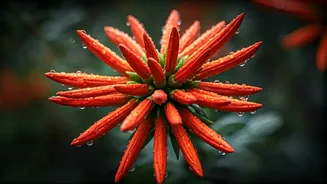
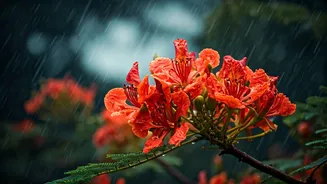
While not a garden flower for a small balcony, the Gulmohar, or Flame Tree, is the undisputed king of the monsoon skyline. Its fiery orange-red blossoms create a breathtaking canopy against grey, rain-filled clouds. The bloom often begins in the hot summer
months but peaks and persists into the early monsoon, its fallen petals creating a vibrant carpet on the streets. For many, the sight of Gulmohar is synonymous with the arrival of the rains. It’s a symbol of nature’s dramatic flair, a large-scale spectacle that reminds us of the grandeur of the season. If you have the space, planting a Gulmohar is a gift to your entire neighbourhood, a landmark of colour that will be celebrated for generations.
Jasmine: The Scent of Rainy Evenings
As the humidity of a monsoon evening sets in, the intoxicating fragrance of Jasmine, particularly Mogra and Chameli, begins to drift through the air. These delicate white flowers are a sensory delight, their scent becoming richer and more potent in the damp conditions. Jasmine vines are relatively easy to grow in pots or along trellises and walls. They love the moisture and thrive with the regular watering the season provides. A few blossoms are enough to perfume an entire room. String them into a gajra or simply place a bowl of them in water to let their classic, calming fragrance define your monsoon experience. They are the poets of the rainy season, turning every evening into a romantic memory.
Hibiscus: The Hardy Tropical Beauty
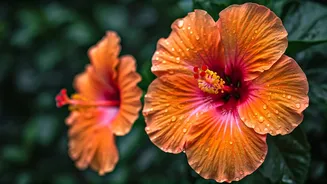
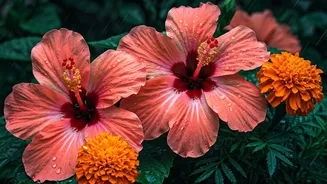
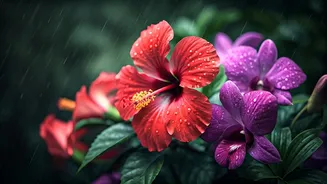
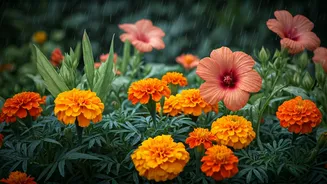
The ever-present Hibiscus seems to find a new lease on life during the monsoon. While it blooms year-round, the rain-washed leaves and deep, saturated colours of the flowers make it a standout performer in any monsoon garden. Available in a dazzling array of colours—from classic red to soft pink, sunny yellow, and vibrant orange—Hibiscus is a hardy and low-maintenance choice. The plants love the humidity and the consistent moisture, producing larger and more frequent blooms. They are perfect for pots on a terrace or as hedging in a larger garden. Each flower lasts only a day, but the plant produces them in such abundance that you are guaranteed a fresh splash of colour every single morning.
Balsam: The Cheerful Garden Staple
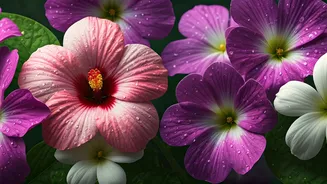
Known locally as ‘Gul Mehendi’, Balsam (Impatiens balsamina) is a quintessential monsoon annual. It's one of the easiest flowers to grow from seed, often sprouting within days of being sown in the rain-softened soil. These plants produce charming, cup-shaped flowers in shades of pink, purple, red, and white, nestled among lush green leaves. They thrive in the shade and wet conditions that cause other plants to struggle. Because they grow quickly and flower profusely throughout the rainy season, they are perfect for filling in garden beds or adding instant colour to containers. Their cheerful, almost impatient, blooming habit makes them a delightful and dependable part of the monsoon garden.
Rain Lily: The Magical Surprise
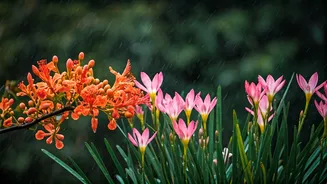
True to its name, the Rain Lily (Zephyranthes) is the most magical of monsoon blooms. These small, bulbous plants lie dormant underground, often forgotten, until the first heavy showers of the season. Then, as if by magic, they send up slender stalks topped with delicate, star-shaped flowers in white, pink, or yellow. They often appear overnight, transforming a simple patch of green into a fairy-tale scene. This phenomenon of flowering in response to rain makes them a delightful surprise. They are perfect for lining pathways or planting in rock gardens where their sudden appearance can be fully appreciated. They are a living, blooming barometer of the monsoon's arrival.
Marigold: The Golden Farewell to the Rains
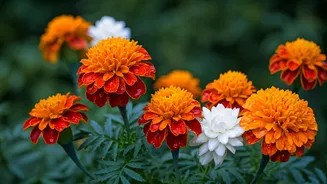
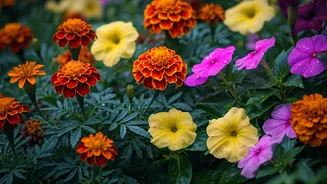
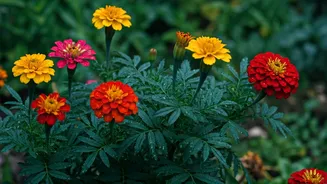
While Marigolds (Genda) are often associated with autumn festivals, their journey begins in the monsoon. The seeds are typically sown during the rainy season, and the young plants thrive in the moist soil and humid air. Their vibrant orange and yellow blooms begin to appear towards the end of the monsoon, providing a seamless transition of colour into the festive season. They are incredibly resilient, handling heavy rains with ease and requiring minimal care. Their bright, pom-pom-like flowers are not just visually cheerful but also act as natural pest repellents, making them a functional and beautiful addition to any vegetable patch or flower bed. Planting marigolds is an act of looking forward, a promise of sunny celebrations to come.