


The New Lunar Gold Rush
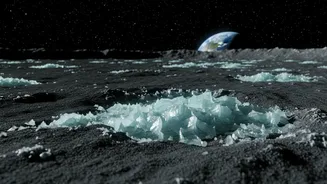
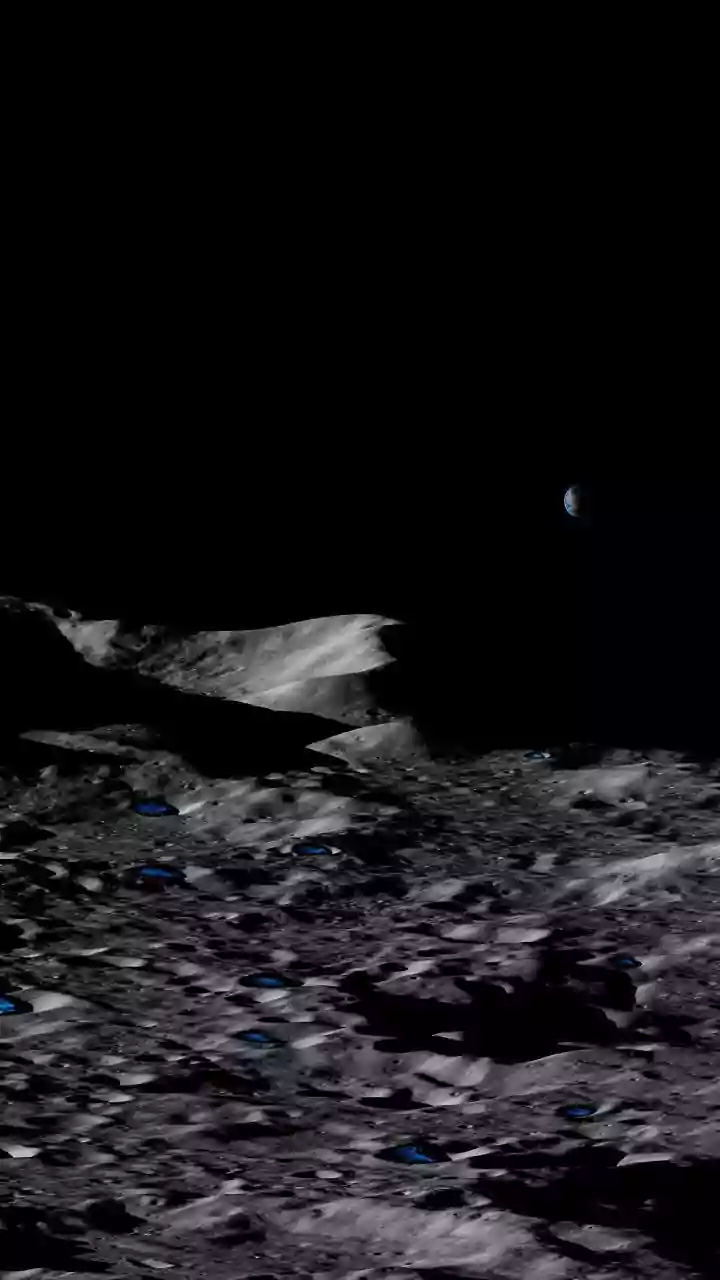
For decades, the Moon was considered a bone-dry, desolate world. But a series of discoveries, including crucial data from India's own Chandrayaan-1 mission, changed everything. We now know that water, in the form of ice, is trapped in permanently shadowed
regions (PSRs) at the lunar poles. These are craters where the sun never shines, creating some of the coldest temperatures in the solar system. This discovery has kicked off a new space race. Water-ice isn't just for drinking; its components, hydrogen and oxygen, can be split to create breathable air and, most importantly, rocket propellant. This could turn the Moon into a cosmic refuelling station, making missions to Mars and beyond more feasible and affordable. Instead of launching everything from Earth, future missions could top up their tanks on the Moon.
ISRO's Blueprint: The LUPEX Mission
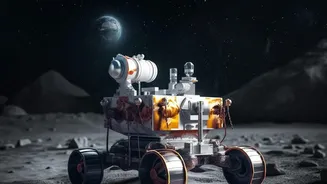
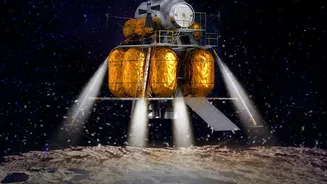
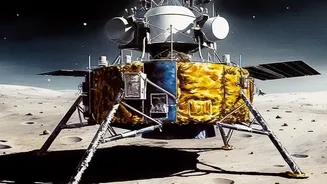
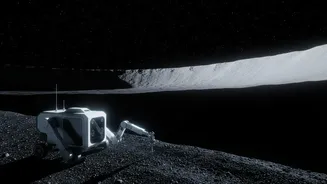
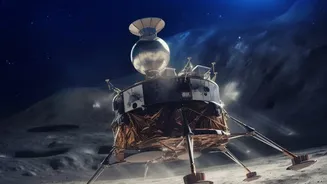
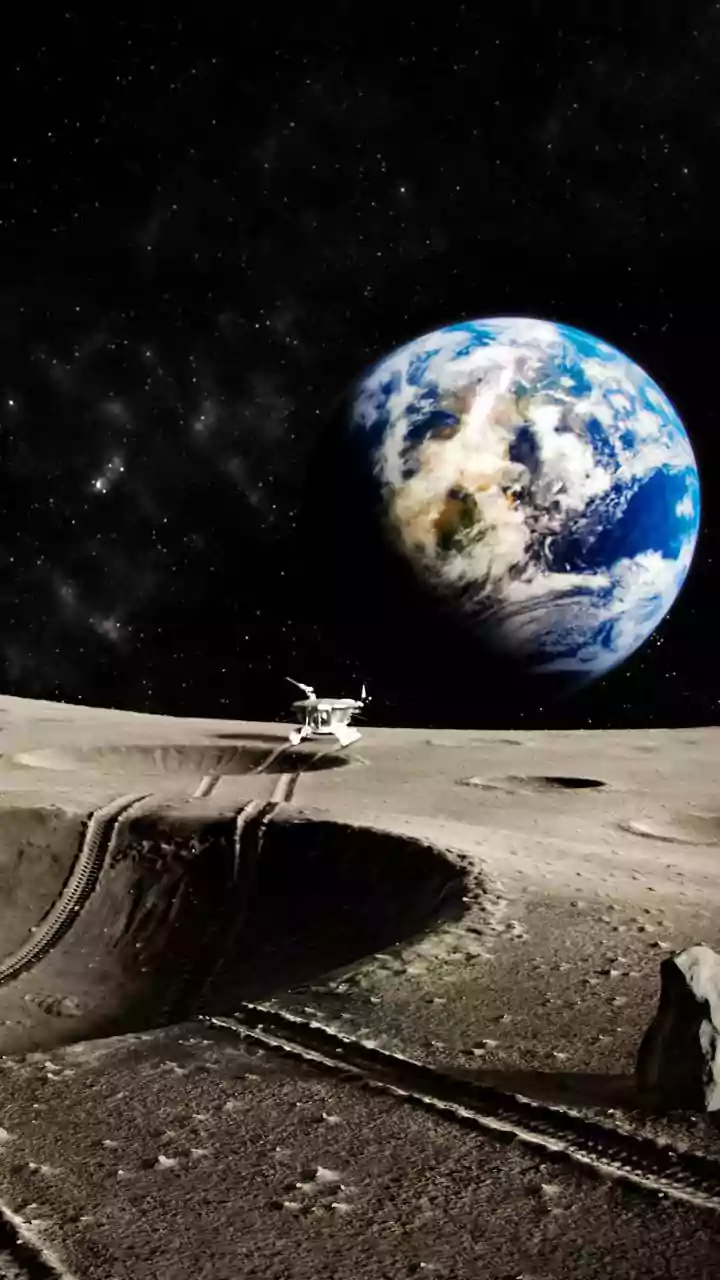
ISRO’s primary plan to tackle this challenge is the Lunar Polar Exploration Mission, or LUPEX. This is an ambitious joint project with the Japan Aerospace Exploration Agency (JAXA). The collaboration leverages the strengths of both agencies: JAXA will provide the powerful H3 launch vehicle and a sophisticated, 350-kg rover, while ISRO is developing the lander that will safely deliver the rover to the treacherous lunar south pole. The mission, also known as Chandrayaan-5, is tentatively scheduled for no earlier than 2028 and represents the next logical step in India's lunar exploration journey, building on the successes of Chandrayaan-3. It’s an international effort, with scientific instruments from NASA and the European Space Agency (ESA) also hitching a ride on the rover.
The Probes That Will Do the Work
The headline 'advanced probes' refers to a suite of highly specialised instruments aboard the LUPEX rover, designed to find, drill, and analyse the ice. The rover itself is a technological marvel, designed for a mission of over three months. Its key tool is a drill capable of penetrating up to 1.5 meters into the lunar regolith (soil), which is expected to be as hard as rock in the cryogenic temperatures of the PSRs. As it drills, an array of spectrometers will analyze the excavated material and any gases released. An ISRO-developed Ground Penetrating Radar (GPR) will map the subsurface structure, while a NASA-provided Neutron Spectrometer (NSS) will hunt for hydrogen—a key indicator of water—up to a meter deep without even drilling. This multi-pronged approach allows the mission to first identify promising locations and then get 'ground truth' data by directly sampling the ice.
Surviving the Extreme Cold and Dark
Exploring a PSR is one of the most difficult challenges in space exploration. Temperatures can plummet below -223°C, far colder than anything experienced by previous lunar missions. Since there is no sunlight, solar panels are useless inside these craters. The LUPEX rover must therefore employ clever strategies to survive. The current plan involves the rover charging its advanced batteries in sunlit areas before making short forays into the darkness to conduct its scientific investigations. The extreme cold not only strains batteries but also makes the soil incredibly hard and affects how instruments function. Furthermore, direct communication with Earth can be difficult from the polar regions, requiring a robust network and potentially support from partners like NASA's Deep Space Network to relay commands and receive precious data. Overcoming these challenges is a core objective of the LUPEX mission.