




Your Windowsill Garden Setup
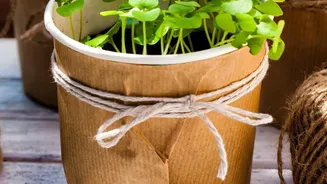
Setting up your winter herb garden is simple and rewarding. Start by selecting the right containers. Pots that are at least 6-8 inches deep and wide will give each plant enough room to grow. Crucially, ensure every pot has drainage holes at the bottom
to prevent water from logging, which can lead to root rot. For the soil, use a high-quality, well-draining potting mix. A combination of garden soil, compost, and a material like coco peat or perlite creates a fertile and aerated environment where your herbs can thrive. Finally, placement is key. A south-facing windowsill is ideal as it receives the most sunlight, which is essential during the shorter winter days. An east-facing window that gets gentle morning sun can also work well.
Tulsi (Holy Basil): The Queen of Herbs
Tulsi is a cornerstone of Indian households and surprisingly adaptable to indoor life. It loves sunlight, so a spot where it can receive at least 4-6 hours of direct sun is non-negotiable. Water your Tulsi plant when the top inch of the soil feels dry to the touch, but be careful not to overwater, especially in winter when the plant's growth slows. Overwatering is a common reason for Tulsi plants struggling in colder months. To encourage a bushier, fuller plant, regularly pinch off the top sets of leaves and any flower buds that appear. This redirects the plant's energy into producing more of its fragrant leaves, giving you a continuous supply for your morning tea or prayers. During cold nights, make sure the leaves don't touch the chilly windowpane.
Mint (Pudina): The Prolific Refresher
Mint, or Pudina, is famously easy to grow—so easy that it can quickly take over a garden bed. This makes it a perfect candidate for container gardening, where its vigorous growth is naturally contained. Mint is more tolerant of partial shade than Tulsi or Coriander, but it still appreciates a few hours of light to stay bushy and flavourful. It prefers consistently moist soil, so don't let it dry out completely. You can start a mint plant from a cutting from an existing plant or buy a small plant. Simply place a stem in a glass of water, and it will develop roots in a week or two, ready to be planted in soil. Harvest leaves often to encourage new growth for your chutneys, raitas, and refreshing drinks.
Coriander (Dhania): The Kitchen Staple
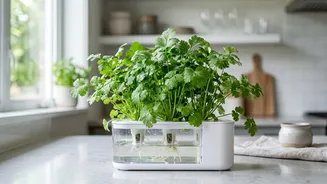
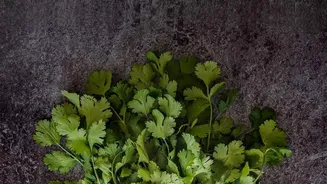
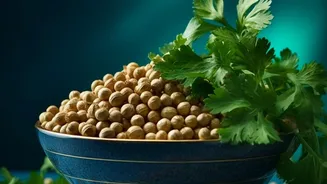
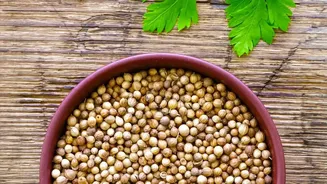
Fresh Dhania is a must-have for garnishing almost every Indian dish, and growing it on your windowsill is straightforward. Coriander is best grown from seeds directly in the pot where it will live. Sow a new batch of seeds every few weeks to ensure a continuous harvest, as the plant has a relatively short life cycle. It prefers cooler temperatures and at least 4-6 hours of sunlight. Keep the soil evenly moist but not waterlogged. You can start harvesting the outer leaves (known as cilantro) once the plant is about 6 inches tall. This allows the inner leaves to continue growing, extending your harvest. If the plant starts to flower (a process called bolting), its flavour will change, so it's best to harvest the leaves before this happens.
General Winter Care Tips
Winter brings its own set of challenges for indoor plants. Sunlight is less intense and days are shorter, so maximising light is crucial. Rotate your pots weekly so all sides of the plant get some sun. Be mindful of cold drafts from the window; if it's a particularly chilly night, move the plants slightly away from the glass. Indoor heating can make the air very dry, which most herbs don't like. You can increase humidity by placing a tray of water with pebbles near your plants or by grouping them together. Finally, reduce watering frequency. Plants grow slower in winter and require less water. Always check the soil before watering to avoid drowning the roots.